
Raw Diet vs Kibble: What Veterinarians Actually Say (2026)

Published April 2, 2026
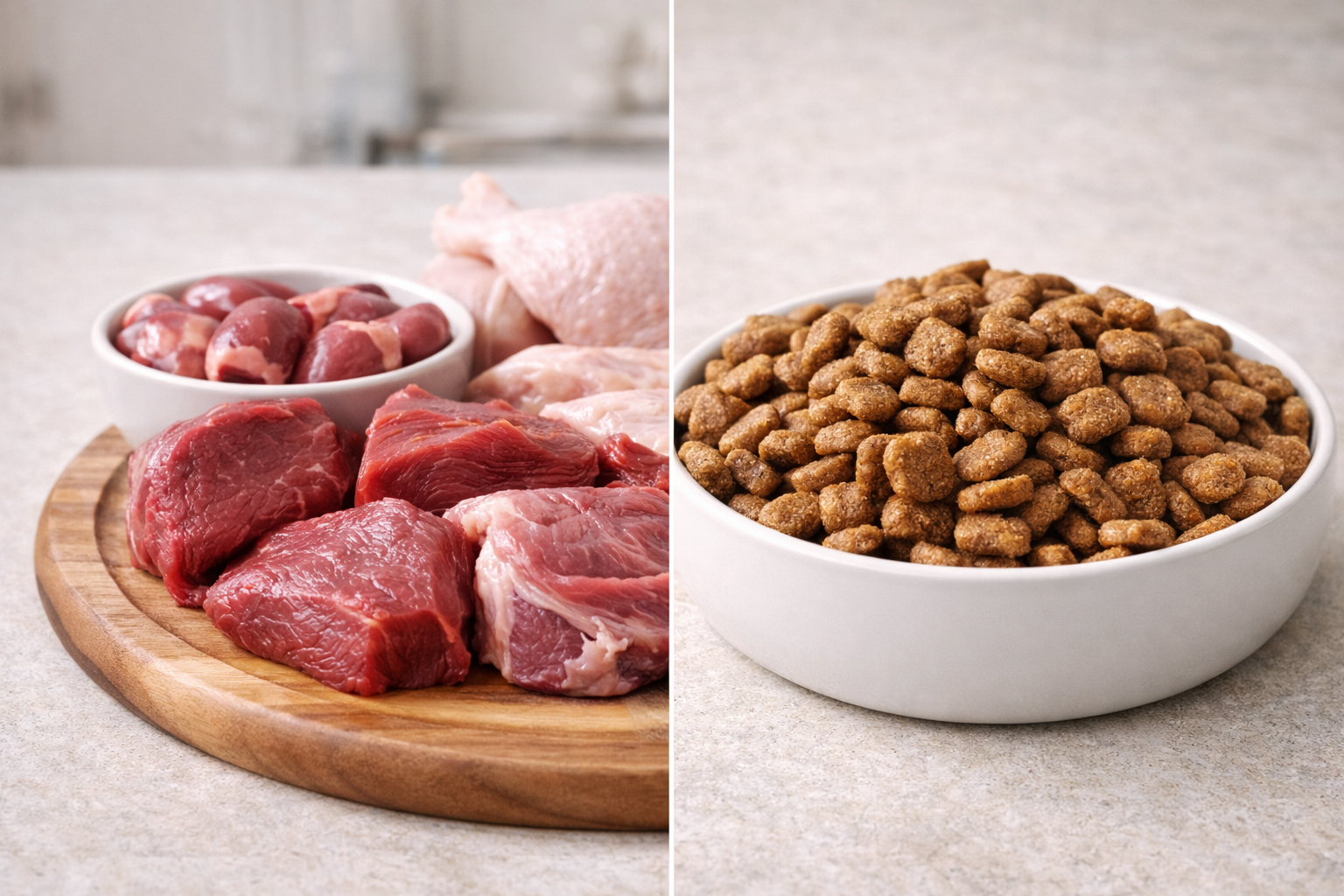
One of the biggest misconceptions veterinarians encounter is that raw diets are healthier for pets. In interviews with practicing veterinarians, they were clear: raw diets are actually less safe than traditional kibble — not more.
This guide breaks down the science behind the raw vs. kibble debate, explains why most vets advise against raw feeding, and helps you make an informed decision about your pet's diet.
Why Veterinarians Warn Against Raw Diets
Raw meat-based diets (sometimes called BARF diets — Biologically Appropriate Raw Food) have gained popularity through social media and pet influencers. However, every major veterinary organization advises against them:
- AVMA (American Veterinary Medical Association) — Discourages feeding raw protein diets
- FDA — Has issued multiple warnings about raw pet food contamination
- CDC — Warns raw diets pose risks to both pets and humans
Bacterial Contamination
Raw meat commonly harbors dangerous bacteria including:
- Salmonella — Found in up to 25% of raw pet food samples tested by the FDA
- E. coli — Can cause severe gastrointestinal illness
- Listeria monocytogenes — Particularly dangerous for pregnant women and immunocompromised family members
- Parasites — Including Toxoplasma and Trichinella from raw meat
Even if your pet doesn't show symptoms, they can shed these bacteria in their stool for days, contaminating your home and putting your family at risk.
Nutritional Imbalances
Homemade raw diets are frequently nutritionally incomplete. Studies show that the vast majority of homemade raw recipes found online are deficient in essential nutrients. Common problems include:
- Calcium-to-phosphorus ratio imbalances (can cause bone problems)
- Vitamin D deficiency or excess
- Zinc and iron deficiencies
- Lack of essential fatty acid balance
The Truth About Commercial Kibble
Many pet owners are suspicious of kibble because of long ingredient names, but veterinarians explain this is a misunderstanding:
What Those Long Ingredient Names Actually Mean
| Scary-Sounding Name | What It Actually Is |
|---|---|
| Pyridoxine Hydrochloride | Vitamin B6 |
| D-alpha Tocopherol Acetate | Vitamin E |
| Calcium Pantothenate | Vitamin B5 |
| Thiamine Mononitrate | Vitamin B1 |
| Sodium Selenite | Selenium (essential mineral) |
| Menadione Sodium Bisulfite | Vitamin K supplement |
Quality kibble is engineered for complete nutrition:
- Meets AAFCO nutritional standards through feeding trials
- Cooked to eliminate bacteria and parasites
- Consistent nutrient ratios batch to batch
- Shelf-stable and safe to handle
How to Choose a Good Pet Food
Instead of switching to raw, veterinarians recommend looking for these markers of quality in commercial pet food:
- AAFCO statement — Look for "complete and balanced" on the label
- Feeding trial tested — Not just formulated to meet standards, but actually tested on animals
- Veterinary nutritionist on staff — The company employs board-certified veterinary nutritionists
- Quality control and safety testing — The company tests for contaminants
The Bottom Line
The raw diet trend is driven by marketing, not science. Veterinarians consistently recommend quality commercial diets because they're safer, nutritionally complete, and backed by research. If you want the best for your pet, talk to your vet about which specific commercial food is right for your pet's individual needs.
Use ToxiPets to scan any pet food product and see exactly what each ingredient does — so you can feel confident about what you're feeding your furry friend.
Be honest — you won't remember this article at 2am when your pet eats something.
Skip the Googling next time. Scan any food, plant, or product in ToxiPets and get an instant answer personalized to your pet’s weight and breed.
Frequently Asked Questions
Is raw food better for dogs than kibble?
Do vets recommend raw diets for dogs?
Can raw food make my dog sick?
Is kibble bad for dogs?
What do vets say is the best food for dogs?
Dr. Kamala Freeman
DVM • Emergency Veterinarian
Dr. Kamala Freeman is an emergency veterinarian with extensive experience in urgent pet care and toxicity cases. She works at an emergency veterinary hospital treating pets exposed to poisons, toxins, and other life-threatening emergencies.
Related Articles
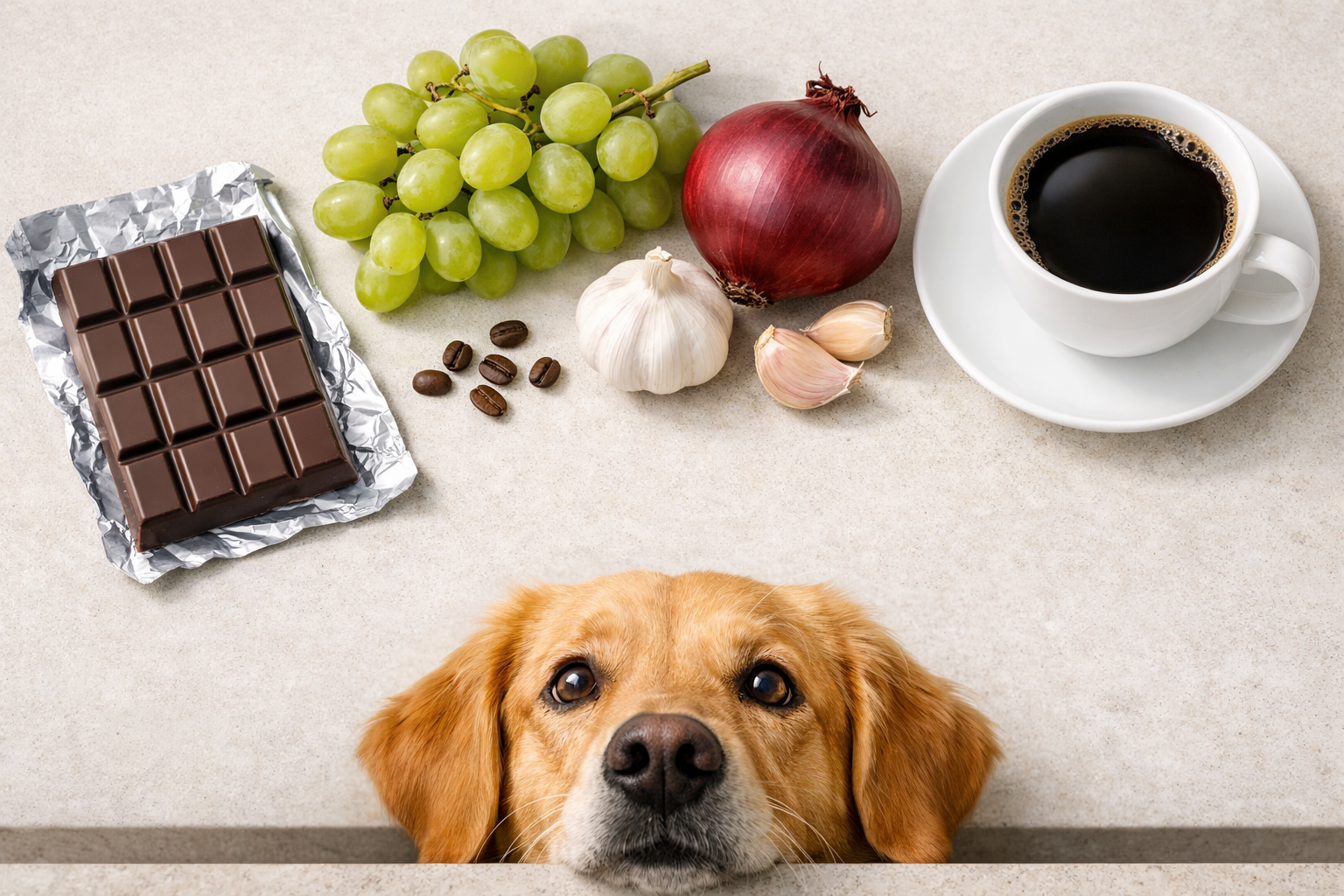
Foods Toxic to Dogs and Cats: The Complete Guide (2026)
Complete list of human foods that are dangerous for your pets. Learn which common foods can harm your dog or cat, symptoms of poisoning, and what to do in an emergency.
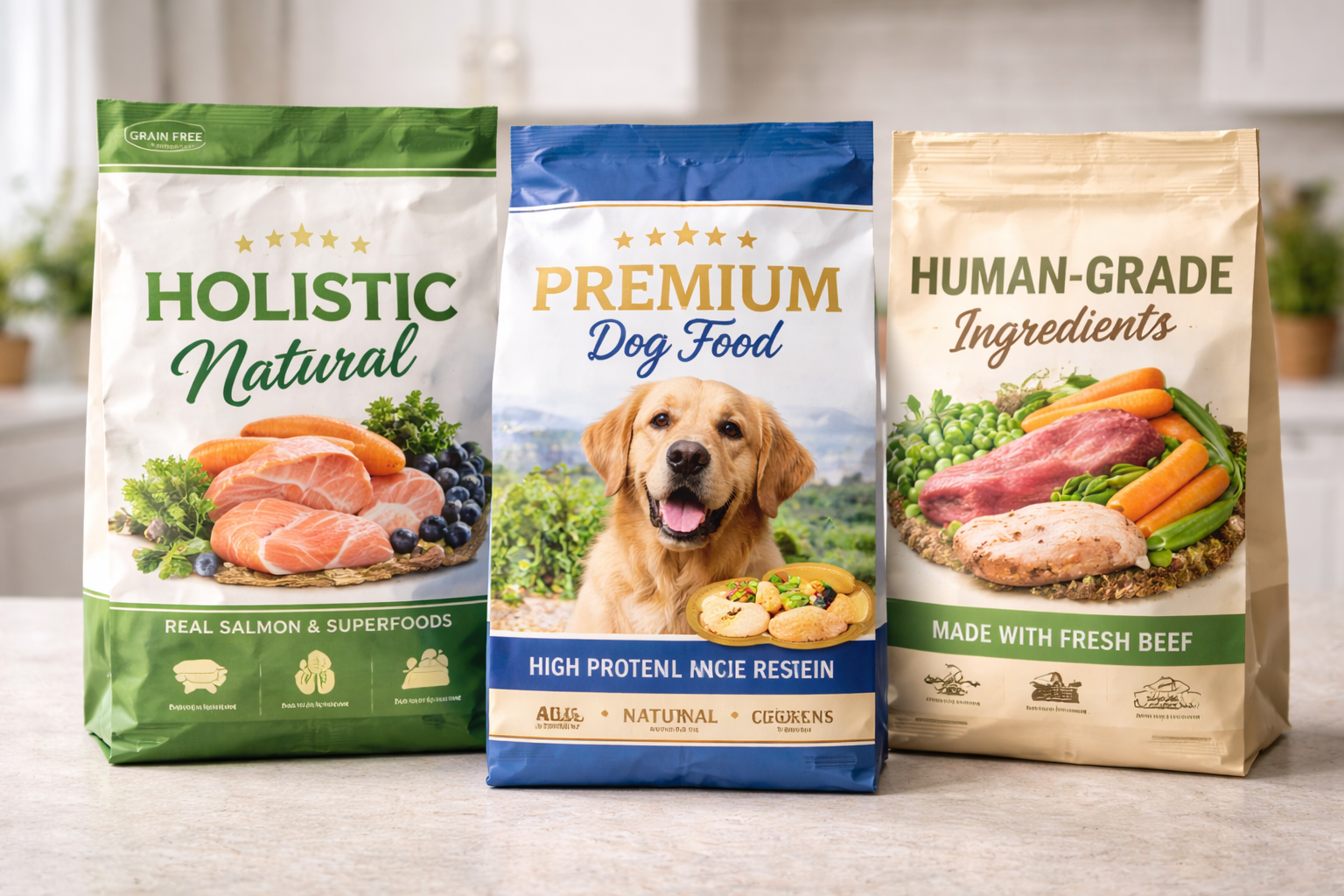
Pet Food Labels Decoded: What 'Holistic,' 'Premium,' and 'Human-Grade' Actually Mean
Not all pet food labels mean what you think. Veterinarians explain which terms are regulated and meaningful, and which are just marketing buzz. Learn to read pet food packaging like a pro.
Stop Googling. Start scanning.
Next time your pet gets into something, skip the articles. Open ToxiPets, scan it, and get a personalized answer in seconds — based on your pet's weight, breed, and health.
Free to download • Used by 50,000+ pet parents