
Pet Food Labels Decoded: What 'Holistic,' 'Premium,' and 'Human-Grade' Actually Mean

Published April 2, 2026
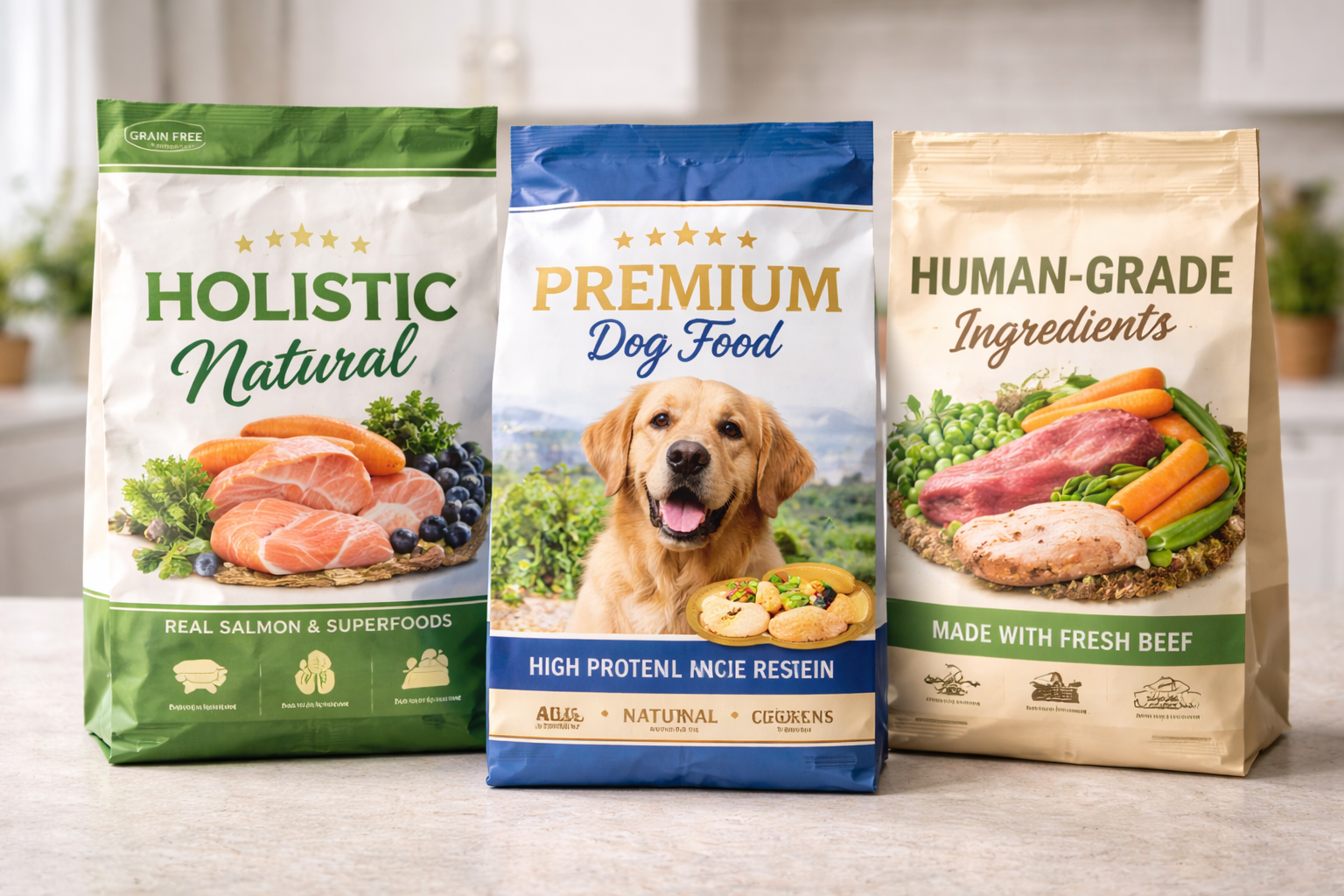
Walk into any pet store and you'll see bags covered in words like "holistic," "premium," "all natural," and "taste of the wild." But according to veterinarians, most of these terms mean absolutely nothing.
This guide, informed by practicing veterinarians, breaks down exactly which pet food label terms are regulated and meaningful — and which are just marketing designed to charge you more.
Terms That Don't Mean Anything
These labels have no legal or regulatory definition in pet food. Any company can use them freely without meeting any standards:
- "Holistic" — No definition. No standard. Pure marketing.
- "Premium" — Sounds fancy, means nothing. Not regulated by AAFCO or the FDA.
- "All Natural" — Used loosely. AAFCO has a definition for "natural" but "all natural" is marketing language.
- "Taste of the Wild" — A brand name that evokes ancestral diets, but dogs are domesticated animals with different nutritional needs than wolves.
- "Gourmet" — No standard. Your pet doesn't care about gourmet.
- "Superfood" — Not a scientific or regulatory term.
Terms That Actually Mean Something
These labels are regulated and do indicate specific standards:
| Label Term | What It Means | Regulated By |
|---|---|---|
| Human-Grade | Every ingredient is edible by humans; manufactured in human-food-grade facilities | AAFCO / FDA |
| Organic | Ingredients produced without synthetic pesticides, GMOs, or artificial fertilizers | USDA |
| Complete and Balanced | Meets all nutritional requirements for the specified life stage | AAFCO |
| "[Protein] Dog Food" (e.g., "Chicken Dog Food") | Must contain at least 95% of the named protein (excluding water) | AAFCO |
| "[Protein] Dinner/Platter" | Must contain at least 25% of the named protein | AAFCO |
| "With [Protein]" | Must contain at least 3% of the named protein | AAFCO |
| "[Protein] Flavor" | Only needs to contain enough for a detectable flavor — could be trace amounts | AAFCO |
The Naming Rule: Why "Chicken Dog Food" vs. "Chicken Flavor" Matters
Pay close attention to how the protein source is listed in the product name. AAFCO has strict rules about naming:
- "Chicken Dog Food" = 95%+ chicken. This is what you want.
- "Chicken Dinner" or "Chicken Platter" = Only 25% chicken. The rest is other ingredients.
- "Dog Food With Chicken" = Only 3% chicken. Mostly other stuff.
- "Chicken Flavor Dog Food" = May contain almost no actual chicken. Just enough for flavor.
What Veterinarians Actually Look For
When vets evaluate pet food, they don't look at buzzwords. They look for:
- AAFCO Nutritional Adequacy Statement — This is the single most important thing on the bag. It confirms the food meets established nutritional profiles.
- Feeding trial tested — "Animal feeding tests using AAFCO procedures" means the food was actually tested on real animals, not just formulated on paper.
- Veterinary nutritionist involvement — Does the company employ a board-certified veterinary nutritionist (DACVN)?
- Manufacturer contact info — Reputable companies list their contact information and are transparent about their manufacturing.
The Bottom Line
Don't pay extra for meaningless labels. A bag of kibble labeled "holistic premium superfood" isn't necessarily better than a straightforward product that meets AAFCO standards and has been feeding-trial tested. Focus on the nutritional adequacy statement, not the marketing.
Use ToxiPets to scan any pet food barcode and get a clear breakdown of every ingredient — what it does, whether it's safe, and what to watch for.
Be honest — you won't remember this article at 2am when your pet eats something.
Skip the Googling next time. Scan any food, plant, or product in ToxiPets and get an instant answer personalized to your pet’s weight and breed.
Frequently Asked Questions
Does 'holistic' on pet food mean anything?
What does 'human-grade' mean on pet food?
Is premium dog food better than regular?
What does 'all natural' mean on pet food?
How do I know if a pet food is actually good quality?
Dr. Kamala Freeman
DVM • Emergency Veterinarian
Dr. Kamala Freeman is an emergency veterinarian with extensive experience in urgent pet care and toxicity cases. She works at an emergency veterinary hospital treating pets exposed to poisons, toxins, and other life-threatening emergencies.
Related Articles
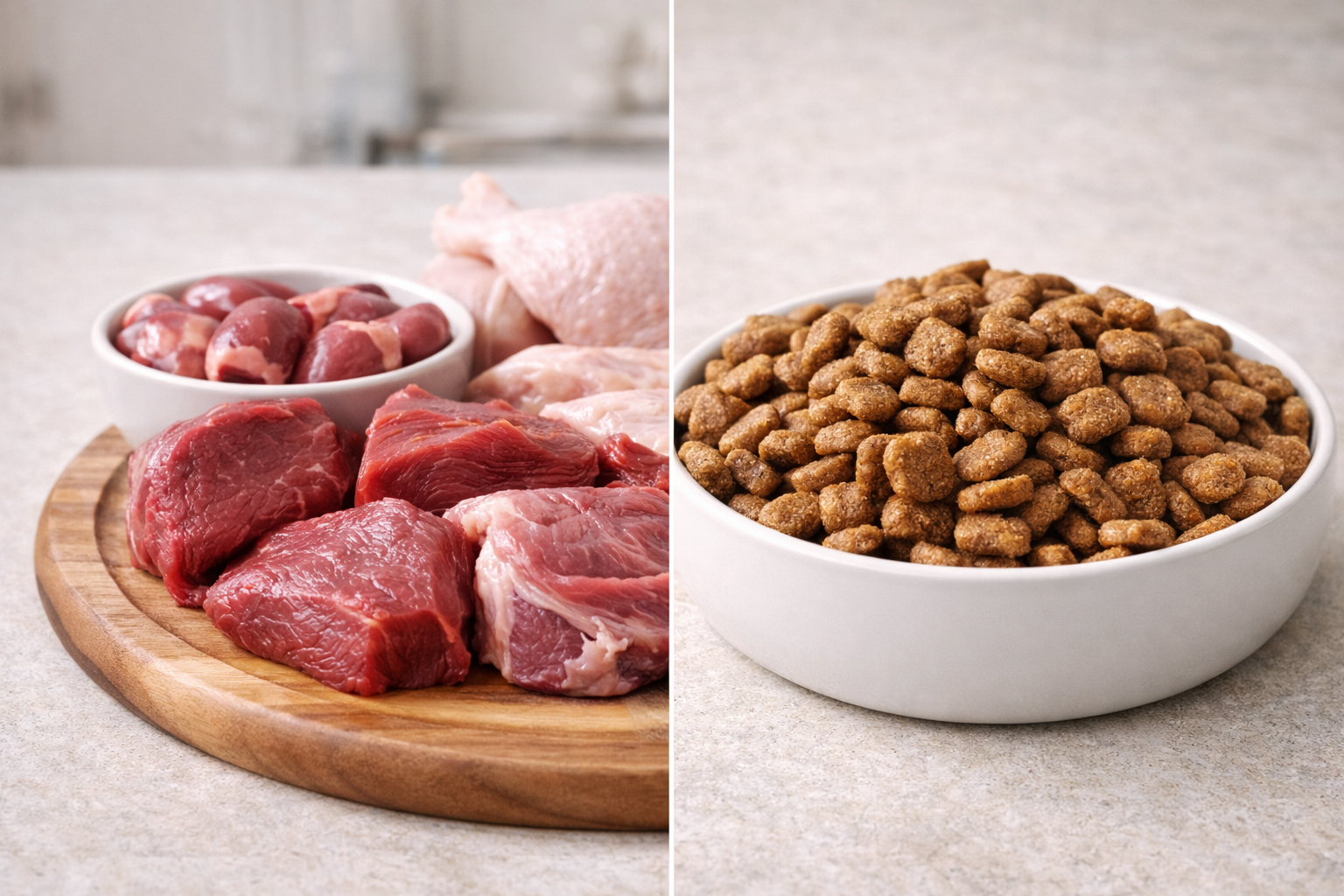
Raw Diet vs Kibble: What Veterinarians Actually Say (2026)
Veterinarians explain why raw diets are riskier than traditional kibble. Learn the real science behind pet food safety, common myths, and what vets recommend for your dog or cat.
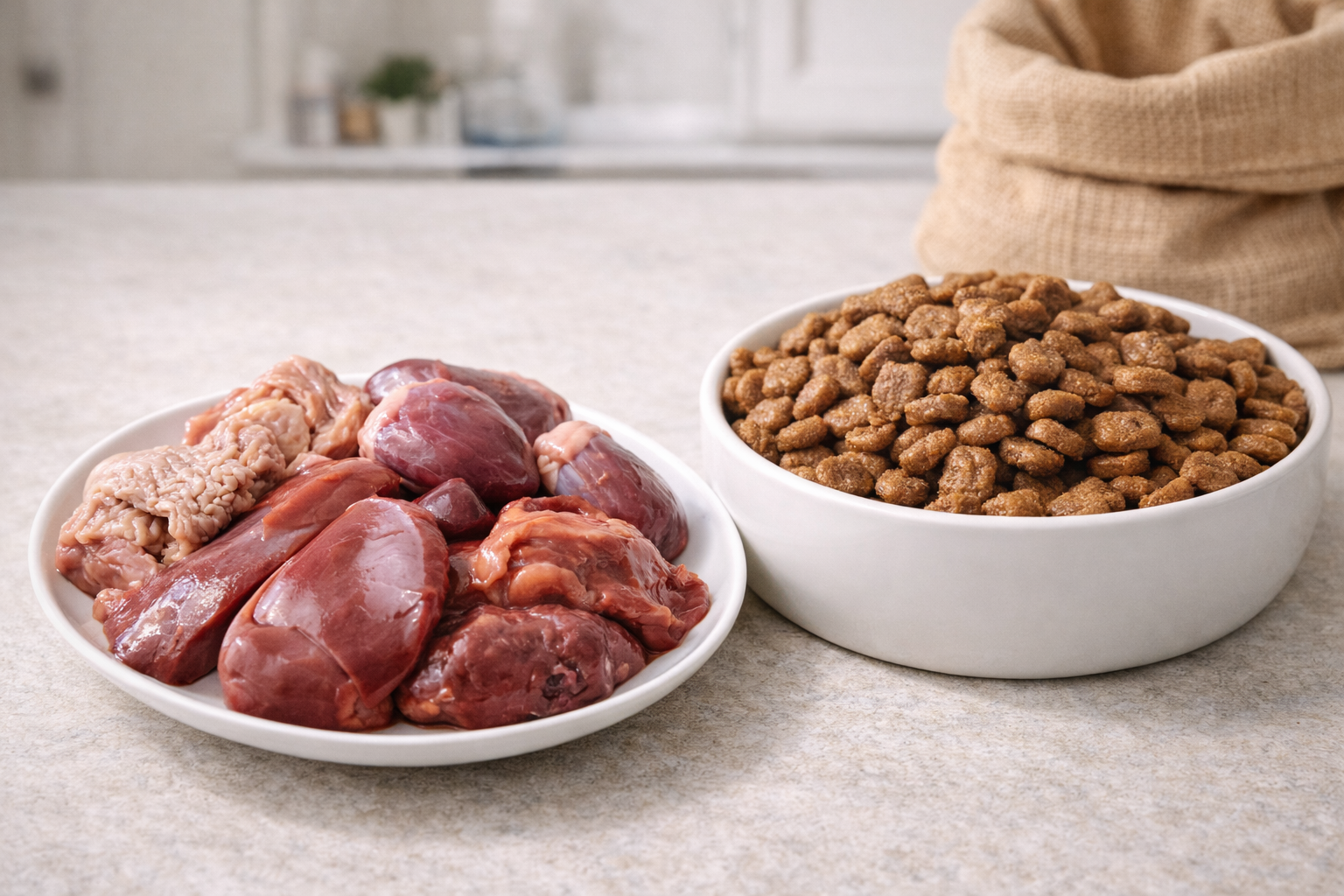
Byproducts and Fillers in Pet Food: Why Vets Say They're Fine
Think byproducts are bad for your pet? Veterinarians disagree. Learn why liver, kidney, and other organ meats are actually great for dogs and cats, and why 'fillers' aren't what you think.
Stop Googling. Start scanning.
Next time your pet gets into something, skip the articles. Open ToxiPets, scan it, and get a personalized answer in seconds — based on your pet's weight, breed, and health.
Free to download • Used by 50,000+ pet parents