
Byproducts and Fillers in Pet Food: Why Vets Say They're Fine

Published April 2, 2026
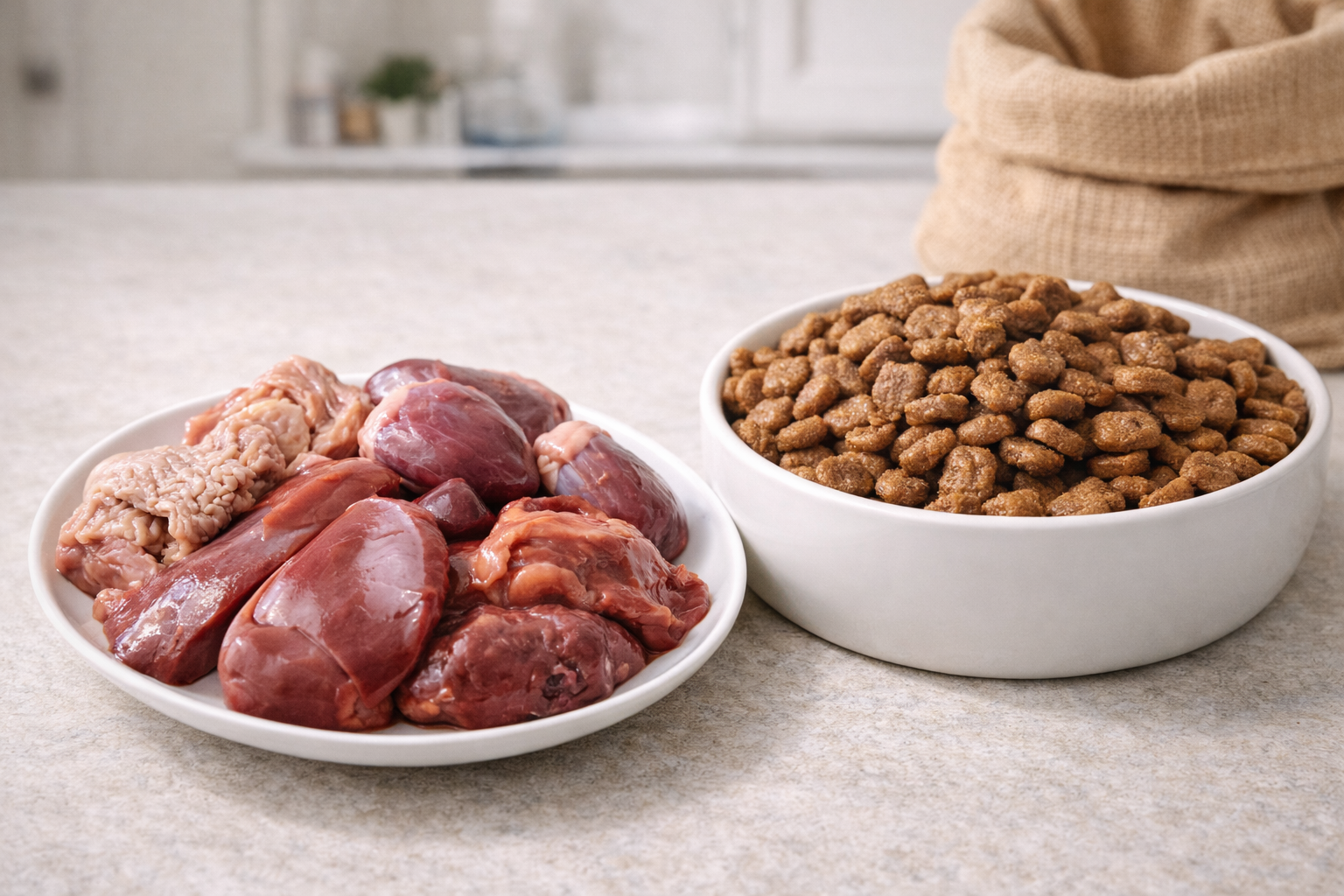
Ask most pet owners about byproducts in pet food and you'll hear "that's gross" or "I'd never feed my dog that." But ask a veterinarian, and you'll get a very different answer: byproducts are actually great for dogs and cats.
This guide tackles two of the biggest myths in pet nutrition — that byproducts are bad and that fillers are useless — and explains what veterinarians actually think about these ingredients.
The Byproduct Myth
What Byproducts Actually Are
Byproducts in pet food are the non-muscle-meat parts of an animal. According to AAFCO, pet food byproducts include:
- Liver — Rich in vitamin A, B vitamins, iron, and copper
- Kidney — High in B12, riboflavin, and iron
- Heart — Excellent source of taurine (essential for cats), CoQ10, and B vitamins
- Lungs — High in protein, low in fat
- Spleen — Rich in iron and protein
What Byproducts Are NOT
A common misconception is that byproducts include hooves, hair, and floor sweepings. This is false. AAFCO explicitly excludes:
- Hooves and horns
- Hair and hide
- Teeth
- Intestinal contents
Organ Meats Are Premium Nutrition
In many human food cultures around the world, organ meats are considered delicacies. They're nutrient-dense, often more so than muscle meat:
| Organ Meat | Key Nutrients | Why It's Good for Pets |
|---|---|---|
| Liver | Vitamin A, B12, Iron, Copper | Supports vision, immune function, and red blood cell production |
| Kidney | B12, Riboflavin, Iron, Selenium | Supports metabolism and energy production |
| Heart | Taurine, CoQ10, B vitamins, Iron | Essential for heart health (especially in cats who need taurine) |
| Chicken Meal | Concentrated protein (65%+) | More protein per gram than whole chicken (which is 70% water) |
The "Filler" Myth
Every Ingredient Costs Money
Think about it from a business perspective: why would a pet food company pay to add an ingredient that serves no purpose? Every ingredient in the formula adds cost — for sourcing, processing, storage, and transportation. If an ingredient is in the food, it's doing something.
Common "Fillers" and What They Actually Do
| "Filler" Ingredient | What People Think | What It Actually Does |
|---|---|---|
| Corn | Cheap filler with no value | Provides energy, essential fatty acids (linoleic acid), protein, and fiber. Highly digestible when processed. |
| Wheat | Just a cheap grain | Excellent source of energy and plant-based protein. True wheat allergies in dogs are extremely rare. |
| Rice | Just a carb filler | Highly digestible energy source. Often recommended by vets for dogs with GI issues. |
| Beet Pulp | Artificial filler / coloring | Excellent prebiotic fiber source that supports healthy gut bacteria. Does not add color to food (sugar is extracted first). |
| Cellulose | Sawdust filler | Plant fiber that aids digestive health. Used in weight management formulas to add bulk without calories. |
| Brewer's Rice | Leftover scraps | Broken rice kernels that are nutritionally identical to whole rice. More sustainable and less wasteful. |
A Warning About Grain-Free Diets
The "fillers are bad" myth has driven many pet owners toward grain-free diets. But this trend has raised serious health concerns:
Unless your veterinarian has diagnosed your dog with a specific grain allergy (which is rare — most food allergies in dogs are to proteins like beef or chicken, not grains), there is no nutritional reason to avoid grains.
What Should You Actually Look For?
Instead of avoiding byproducts and "fillers," veterinarians recommend focusing on:
- AAFCO compliance — Does the food meet nutritional standards?
- Feeding trials — Has the food been actually tested?
- Company reputation — Does the brand employ veterinary nutritionists?
- Your pet's individual needs — Age, breed, size, and health conditions matter more than ingredient trends.
The Bottom Line
Byproducts are nutritious organ meats that veterinarians endorse. "Fillers" are functional ingredients with real nutritional purposes. The marketing that demonizes these ingredients is designed to sell more expensive food — not to improve your pet's health.
Use ToxiPets to scan any pet food and get a vet-reviewed breakdown of every ingredient, so you can see past the marketing and understand what's actually in your pet's bowl.
Be honest — you won't remember this article at 2am when your pet eats something.
Skip the Googling next time. Scan any food, plant, or product in ToxiPets and get an instant answer personalized to your pet’s weight and breed.
Frequently Asked Questions
Are byproducts bad for dogs?
What are byproducts in dog food?
Are fillers in dog food harmful?
Is corn bad for dogs?
Is grain-free dog food better?
Dr. Kamala Freeman
DVM • Emergency Veterinarian
Dr. Kamala Freeman is an emergency veterinarian with extensive experience in urgent pet care and toxicity cases. She works at an emergency veterinary hospital treating pets exposed to poisons, toxins, and other life-threatening emergencies.
Related Articles
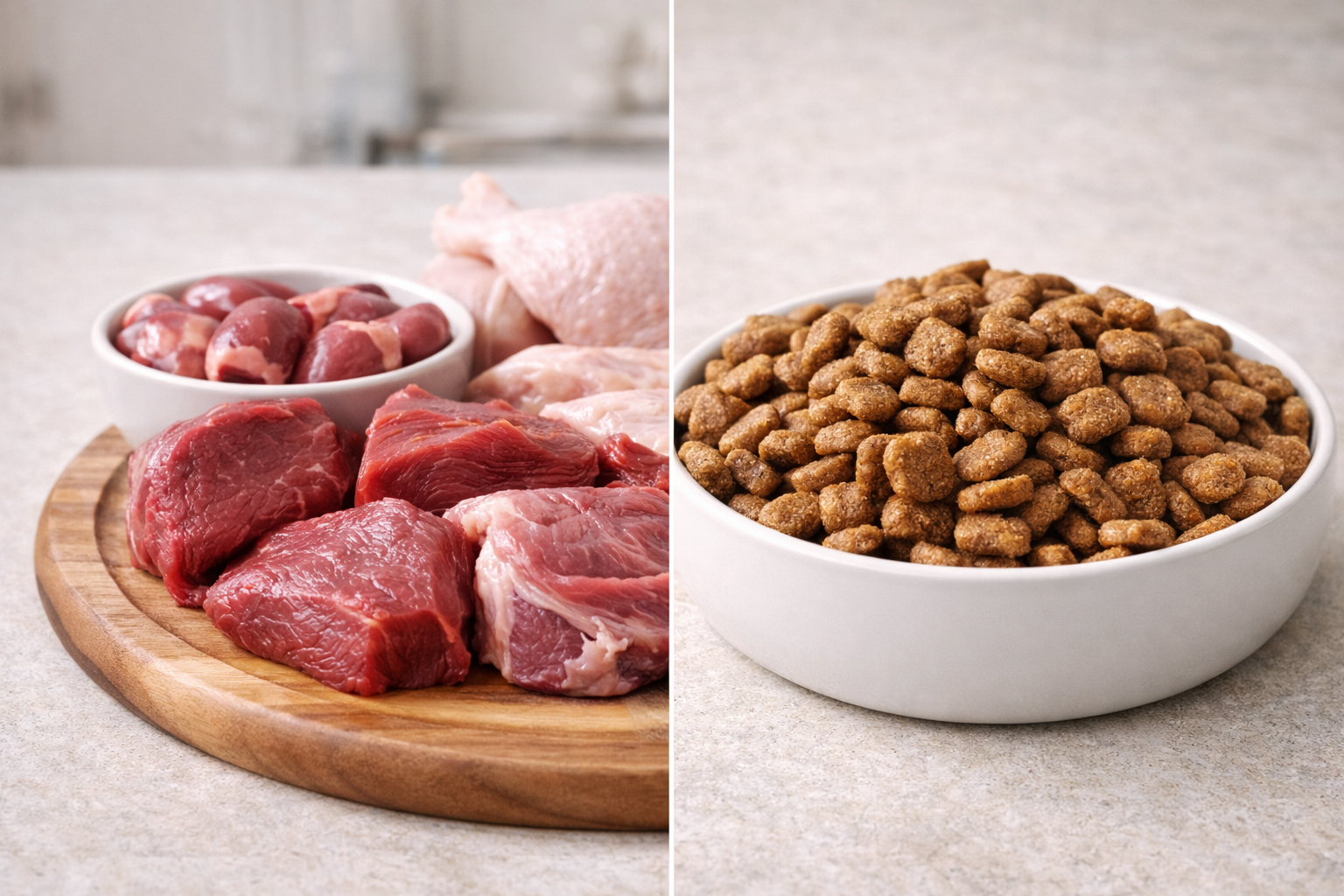
Raw Diet vs Kibble: What Veterinarians Actually Say (2026)
Veterinarians explain why raw diets are riskier than traditional kibble. Learn the real science behind pet food safety, common myths, and what vets recommend for your dog or cat.
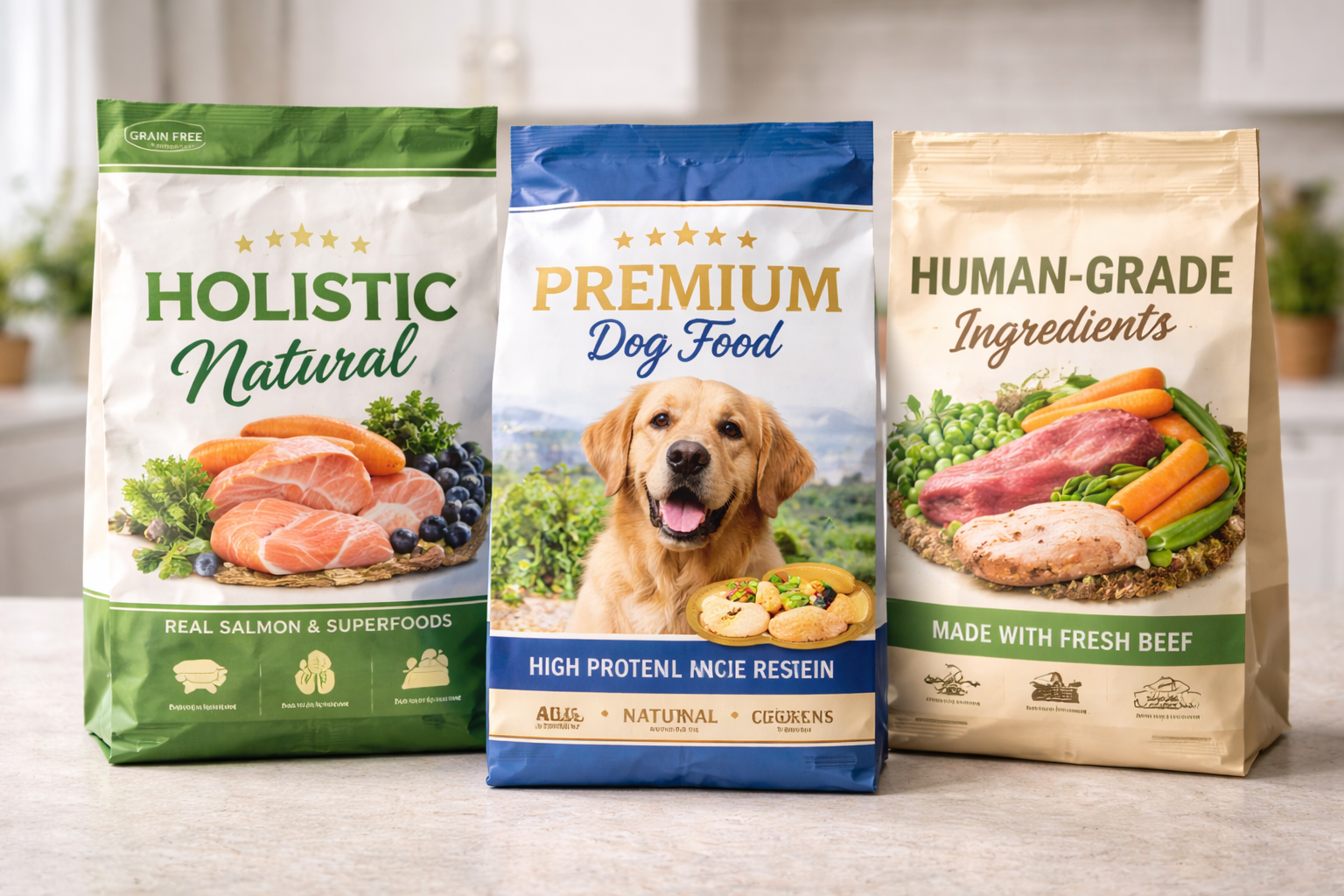
Pet Food Labels Decoded: What 'Holistic,' 'Premium,' and 'Human-Grade' Actually Mean
Not all pet food labels mean what you think. Veterinarians explain which terms are regulated and meaningful, and which are just marketing buzz. Learn to read pet food packaging like a pro.
Stop Googling. Start scanning.
Next time your pet gets into something, skip the articles. Open ToxiPets, scan it, and get a personalized answer in seconds — based on your pet's weight, breed, and health.
Free to download • Used by 50,000+ pet parents