
Foods Toxic to Dogs and Cats: The Complete Guide (2026)

Published February 14, 2025
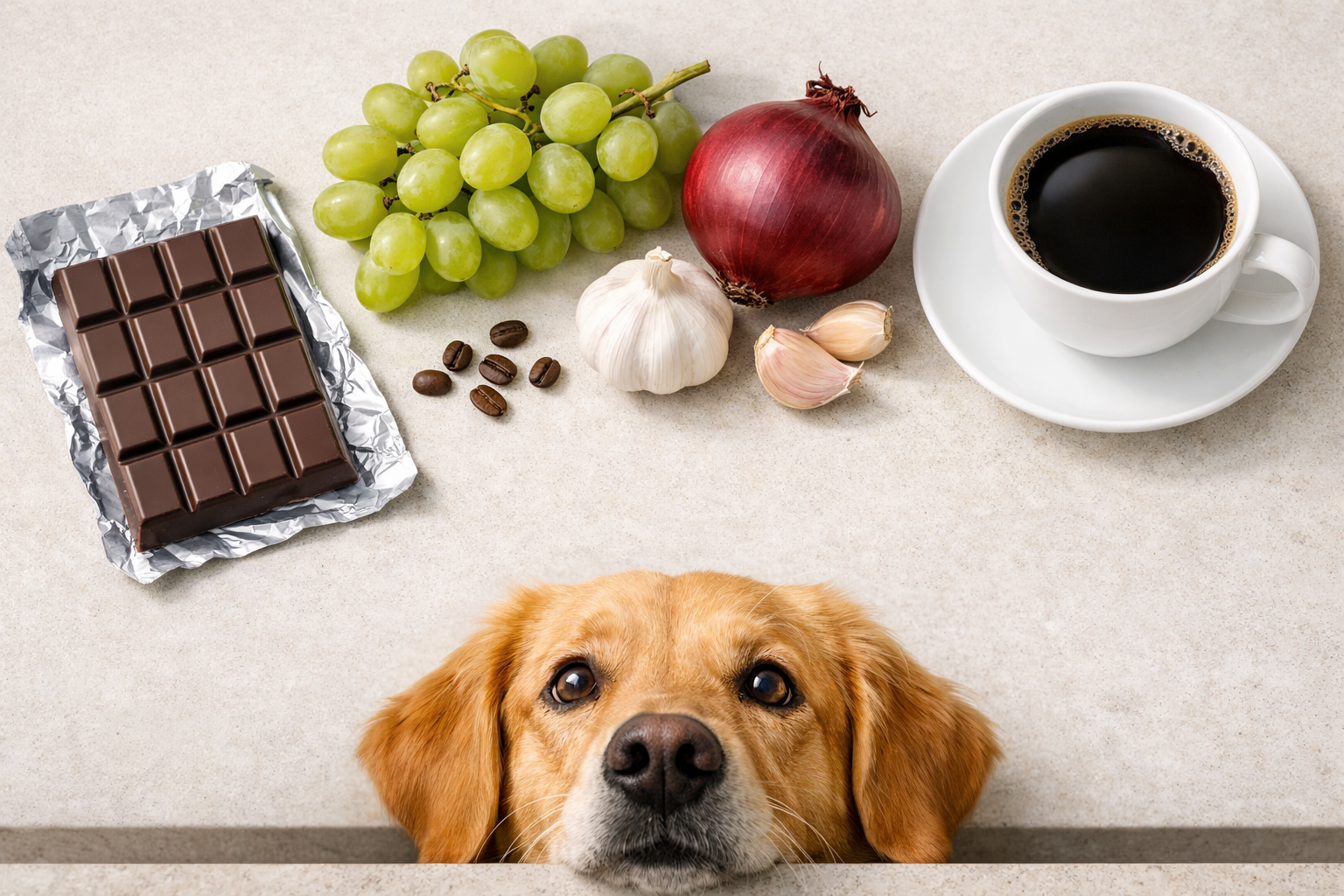
Your kitchen contains many foods that are perfectly safe for humans but can be lethal for your pets. According to the ASPCA Animal Poison Control Center, human foods rank as the third most common cause of pet poisoning, with cases increasing significantly in recent years.
This comprehensive guide covers everything you need to know about foods that are dangerous for dogs and cats, including symptoms of poisoning and what to do in an emergency.
The Most Dangerous Foods for Pets
Before we dive into the complete list, here are the foods that pose the greatest risk to your pets:
- Xylitol – Can be fatal even in tiny amounts
- Chocolate – Especially dark and baking chocolate
- Grapes and Raisins – Causes kidney failure
- Onions and Garlic – Damages red blood cells
- Alcohol – Extremely toxic to pets
- Caffeine – Found in coffee, tea, and energy drinks
- Macadamia Nuts – Toxic to dogs
- Raw Yeast Dough – Expands in stomach, produces alcohol
Xylitol: The Hidden Killer
Xylitol is an artificial sweetener that's extremely dangerous for dogs. It's found in many common products including:
- Sugar-free gum and candy
- Some peanut butter brands
- Sugar-free baked goods
- Toothpaste and mouthwash
- Some vitamins and supplements
Why it's dangerous: In dogs, xylitol causes a rapid release of insulin, leading to dangerous drops in blood sugar (hypoglycemia). It can also cause liver failure. Even small amounts can be fatal.
Symptoms appear within 15-30 minutes:
- Vomiting
- Weakness and lethargy
- Loss of coordination
- Seizures
- Collapse
Chocolate and Caffeine
Chocolate contains substances called methylxanthines (theobromine and caffeine) that are toxic to dogs and cats. The darker the chocolate, the more dangerous it is.
Chocolate Toxicity by Type
| Chocolate Type | Theobromine Content | Danger Level |
|---|---|---|
| Baking chocolate | 450mg/oz | 🔴 Extremely High |
| Dark chocolate | 150-160mg/oz | 🔴 High |
| Milk chocolate | 44-58mg/oz | 🟡 Moderate |
| White chocolate | 0.25mg/oz | 🟢 Low (but high fat) |
Symptoms of chocolate poisoning:
- Vomiting and diarrhea
- Excessive thirst and urination
- Hyperactivity and restlessness
- Rapid breathing and heart rate
- Muscle tremors
- Seizures (in severe cases)
Grapes and Raisins
Grapes and raisins are highly toxic to dogs and can cause acute kidney failure. The exact toxic substance is still unknown, which means there's no "safe" amount – even a single grape can be dangerous for some dogs.
Why it's unpredictable: Some dogs eat grapes without apparent issues, while others become severely ill from just a few. Because we can't predict which dogs will be affected, all grape/raisin ingestion should be treated as an emergency.
Symptoms typically appear within 12-24 hours:
- Vomiting (often within hours)
- Diarrhea
- Lethargy and weakness
- Loss of appetite
- Abdominal pain
- Decreased urination (sign of kidney failure)
Also avoid: Currants, sultanas, and any products containing these (fruit cake, trail mix, raisin bread).
Onions, Garlic, Chives, and Leeks
All members of the Allium family are toxic to dogs and cats. They contain compounds that damage red blood cells, leading to a condition called hemolytic anemia.
Toxicity comparison:
- Garlic is approximately 5x more toxic than onions
- Cats are more sensitive than dogs
- Both raw and cooked forms are dangerous
- Powdered forms (garlic powder, onion powder) are more potent
Symptoms may be delayed by several days:
- Weakness and lethargy
- Pale gums
- Rapid breathing
- Dark-colored urine
- Collapse
Alcohol
Alcohol is extremely toxic to pets. Dogs and cats are much smaller than humans and cannot metabolize alcohol effectively. Even small amounts can cause serious problems.
Sources of alcohol poisoning:
- Beer, wine, and spirits
- Rum-soaked desserts
- Unbaked bread dough (ferments in stomach)
- Mouthwash
- Some medications
Symptoms:
- Vomiting and diarrhea
- Difficulty breathing
- Loss of coordination (appearing "drunk")
- Depression and lethargy
- Tremors
- Coma (in severe cases)
- Death
Milk and Dairy Products
Contrary to popular belief, most adult dogs and cats are lactose intolerant. They lack sufficient lactase enzyme to digest milk properly.
While not typically fatal, dairy can cause:
- Diarrhea
- Vomiting
- Stomach upset
- Gas and bloating
Small amounts of plain yogurt or cheese are generally better tolerated than milk, but it's best to avoid dairy altogether or use pet-specific products.
Nuts to Avoid
Macadamia Nuts (TOXIC to Dogs)
Macadamia nuts are toxic to dogs. The exact toxin is unknown, but ingestion causes:
- Weakness (especially hind legs)
- Vomiting
- Tremors
- Hyperthermia
Symptoms usually appear within 12 hours and typically resolve within 48 hours with treatment.
Other Nuts
While not toxic, many nuts pose risks:
- Walnuts: Can contain toxic mold
- Almonds: Choking hazard, difficult to digest
- Pistachios: High fat, can cause pancreatitis
- All nuts: High fat content can trigger pancreatitis
Other Foods to Avoid
Citrus Fruits
The citric acid and essential oils in citrus fruits, peels, and leaves can irritate your pet's digestive system. Small amounts of the fruit itself usually only cause mild stomach upset, but large amounts can cause central nervous system depression.
Coconut
Coconut flesh and milk contain oils that can cause stomach upset and diarrhea. Coconut water is high in potassium and should be avoided.
Raw Eggs
Raw eggs pose two risks:
- Salmonella and E. coli bacteria
- Avidin enzyme interferes with biotin absorption
Cooked eggs are safe and nutritious for pets.
Raw Meat and Fish
Raw meat and fish can contain harmful bacteria (Salmonella, Listeria) and parasites. Raw fish like salmon can contain parasites that cause "salmon poisoning disease" in dogs, which can be fatal.
Salty Snacks
Excessive salt causes increased thirst, urination, and can lead to sodium ion poisoning. Symptoms include vomiting, diarrhea, tremors, elevated body temperature, and seizures.
Fatty Foods
High-fat foods (bacon, ham, fatty trimmings) can trigger pancreatitis, a painful and potentially life-threatening condition.
Mushrooms
While store-bought mushrooms are generally safe, wild mushrooms can be extremely toxic. Some species can cause liver failure, kidney failure, and death. If your pet eats a wild mushroom, treat it as an emergency.
Signs and Symptoms of Food Poisoning
If your pet has eaten something toxic, watch for these symptoms:
Immediate Symptoms (0-2 hours)
- Vomiting
- Excessive drooling
- Diarrhea
- Loss of appetite
- Restlessness or agitation
Delayed Symptoms (2-24+ hours)
- Lethargy and weakness
- Difficulty breathing
- Loss of coordination
- Muscle tremors
- Seizures
- Pale gums
- Dark or bloody urine
- Collapse
What to Do If Your Pet Eats Toxic Food
-
Stay Calm
Panicking won't help your pet. Take a deep breath and act quickly but calmly.
-
Remove Access
Take your pet away from the food source immediately. Prevent other pets from accessing it.
-
Identify What Was Eaten
Try to determine exactly what your pet ate, how much, and when. Save any packaging or remaining food.
-
Call for Help
Contact your veterinarian, emergency vet clinic, or pet poison control immediately.
-
Follow Professional Advice
Do not induce vomiting unless specifically instructed by a veterinarian. Some substances cause more damage coming back up.
-
Prevent Further Exposure
Keep your pet from licking or grooming – toxins may be on their fur or paws.
Emergency Contacts
🇺🇸 United States
ASPCA Animal Poison Control: (888) 426-4435
Pet Poison Helpline: (855) 764-7661
Note: Consultation fees may apply ($75-95)
🇬🇧 United Kingdom
Animal PoisonLine: 01202 509 000
🇨🇦 Canada
Pet Poison Helpline: (855) 764-7661
🇦🇺 Australia
Animal Poisons Centre: 1300 869 738
Foods That ARE Safe for Dogs and Cats
Not all human foods are dangerous! Here are some safe options you can share with your pets:
Safe for Dogs
- Plain cooked chicken, turkey, or lean beef (no bones, skin, or seasoning)
- Carrots (raw or cooked)
- Green beans
- Cucumber
- Apples (without seeds or core)
- Blueberries
- Watermelon (seedless, no rind)
- Plain cooked rice
- Cooked sweet potato
- Plain pumpkin (not pie filling)
Safe for Cats
- Cooked chicken, turkey, or fish (plain, no bones)
- Small amounts of cooked eggs
- Cantaloupe
- Steamed broccoli or carrots
Remember: Always introduce new foods gradually and in small amounts. Even safe foods can cause stomach upset if introduced too quickly.
Prevention: Keeping Your Pet Safe
The best approach to food toxicity is prevention:
- Keep human food out of reach – Store food in closed cabinets and don't leave plates unattended
- Secure trash cans – Use pet-proof lids or keep trash in a closed cabinet
- Educate family members – Make sure everyone knows which foods are dangerous
- Be careful with guests – Remind visitors not to feed your pets table scraps
- Check ingredients – Always read labels, especially for xylitol in peanut butter and other products
- Download ToxiPets – Scan any food to instantly check if it's safe for your pet
Conclusion
Understanding which foods are toxic to your pets is essential for keeping them safe. While accidents can happen, being prepared and knowing what to do can save your pet's life.
Remember: when in doubt, don't feed it. If your pet eats something you're unsure about, contact your veterinarian or poison control immediately. Quick action can make the difference between a minor incident and a serious emergency.
Keep this guide bookmarked, share it with other pet owners, and consider downloading the ToxiPets app for instant safety checks on any food, plant, or product.
Be honest — you won't remember this article at 2am when your pet eats something.
Skip the Googling next time. Scan any food, plant, or product in ToxiPets and get an instant answer personalized to your pet’s weight and breed.
Frequently Asked Questions
What is the most toxic food for dogs?
Can dogs eat chocolate?
What happens if a dog eats grapes?
Is garlic toxic to dogs and cats?
Can cats eat tuna?
What foods can kill a cat?
How long after eating something toxic will a dog show symptoms?
Should I make my dog vomit if they ate something toxic?
Is peanut butter safe for dogs?
What human foods are safe for dogs?
Dr. Kamala Freeman
DVM • Emergency Veterinarian
Dr. Kamala Freeman is an emergency veterinarian with extensive experience in urgent pet care and toxicity cases. She works at an emergency veterinary hospital treating pets exposed to poisons, toxins, and other life-threatening emergencies.
Related Articles
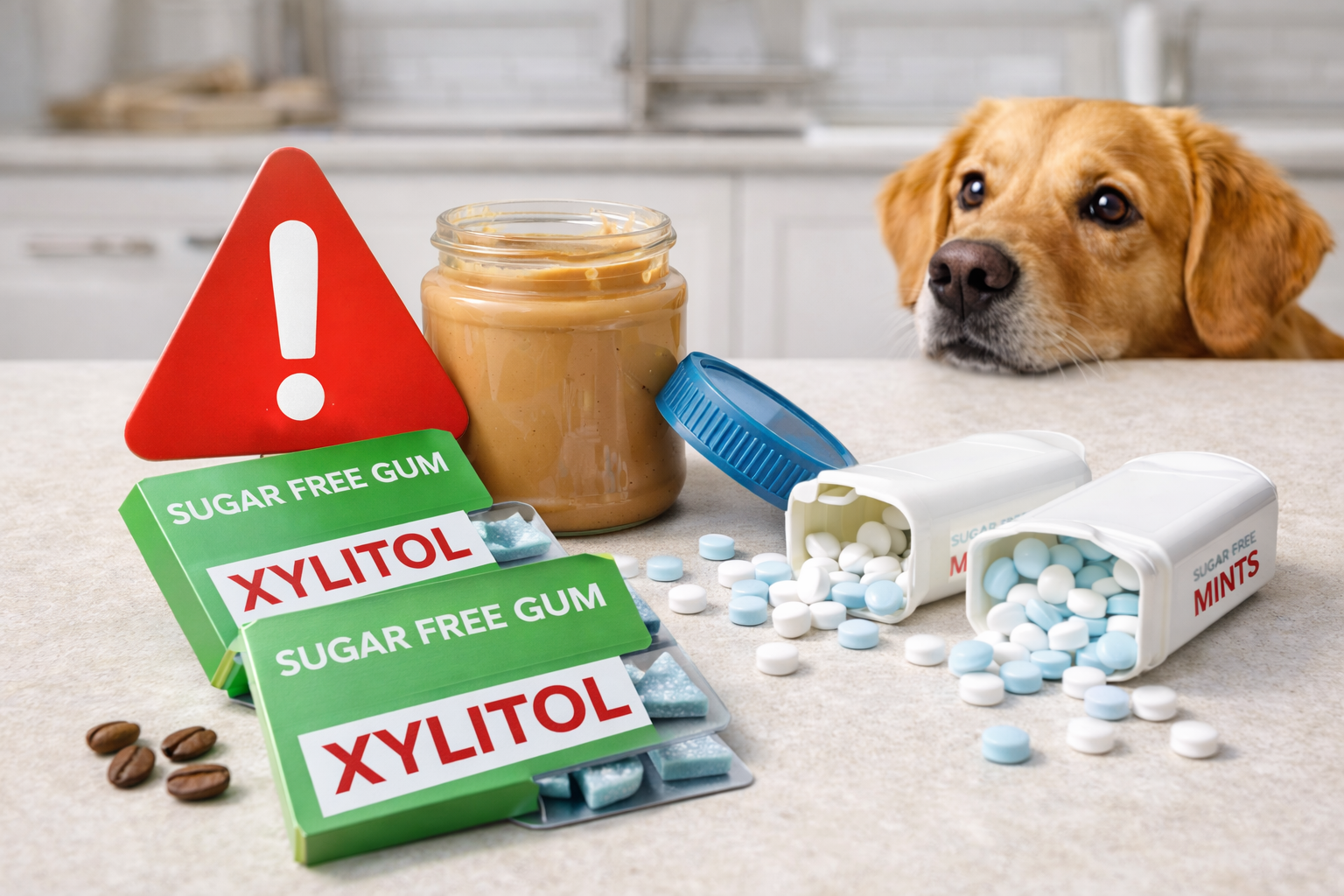
Xylitol Poisoning in Dogs and Cats: The Hidden Danger in Sugar-Free Products
Xylitol is 100x more toxic to dogs than chocolate. Learn where this hidden sweetener lurks, symptoms of poisoning, and how to keep your pets safe.
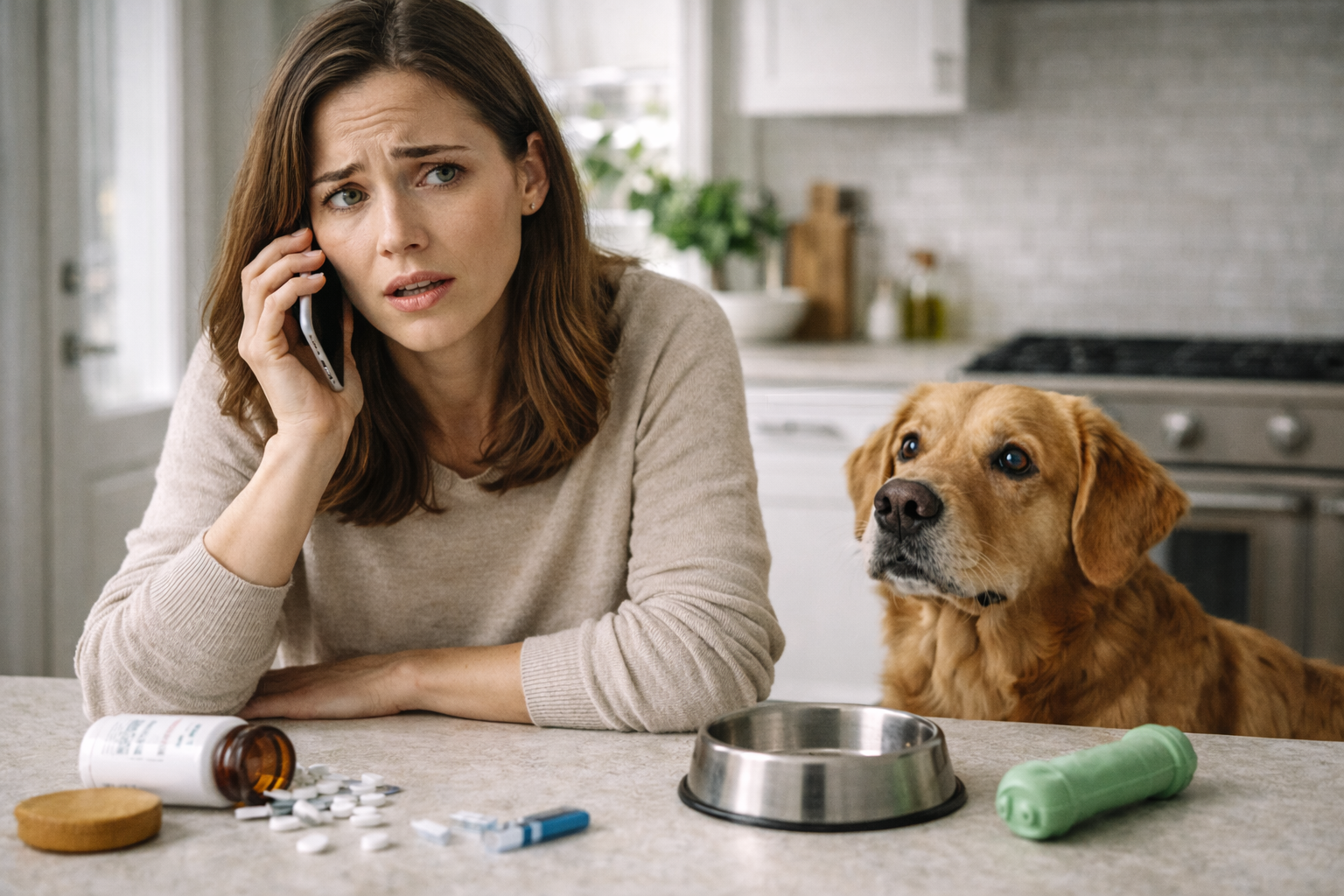
Pet Poisoning: What to Know and What to Do in an Emergency
Complete guide to recognizing poisoning symptoms in dogs and cats, common toxins to avoid, and the exact steps to take in a pet poisoning emergency.
Stop Googling. Start scanning.
Next time your pet gets into something, skip the articles. Open ToxiPets, scan it, and get a personalized answer in seconds — based on your pet's weight, breed, and health.
Free to download • Used by 50,000+ pet parents