
Pet Poisoning: What to Know and What to Do in an Emergency

Published April 8, 2025

There are so many things in our world that can have a negative reaction in our pets. While we cannot always keep them out of trouble, knowing how to handle a toxin ingestion is vital to your pet's health and longevity.
Poisoning in Dogs
While dogs are a hardy species, there are many things they cannot handle the way we can. From bathroom cleaners to our food, many substances have the potential to harm or even kill our beloved pets. Knowing the symptoms and what to do can save their life!
Common Causes of Poisoning in Dogs
- Household cleaners - bleach, detergents, disinfectants
- Chocolate - especially dark and baking chocolate
- Grapes and Raisins - can cause kidney failure
- Onions and Garlic - damages red blood cells
- Avocado - contains persin, toxic to dogs
- Xylitol - found in gum and some baked goods
- Macadamia Nuts - causes weakness and tremors
- Pharmaceutical Medications - prescription drugs
- Over-the-counter Medications - Tylenol, ibuprofen, etc.
- Household plants - many common plants are toxic
Symptoms of Poisoning in Dogs
Watch for these warning signs:
- Hypersalivation - excessive drooling
- Vomiting
- Lethargy - unusual tiredness
- Diarrhea or constipation
- Pale gums
- Heavy breathing
- Signs of pain
- Bloody stool, gums, or vomit
- Excessive drinking
- Loss of appetite
- Tremors
- Swelling or irritated skin
Poisoning in Cats
Cats, unlike dogs, do not always recover quite as well when they ingest toxins. This is for several important reasons:
- Biological processes: Cats cannot always rid their bodies of toxins efficiently
- Small size: Very little toxin is needed to cause harm
- Hunting behavior: They may ingest poisons their prey has consumed (like rat poison)
- Grooming: They clean themselves and can lick toxins from their fur
Common Causes of Poisoning in Cats
- Gardening Products - weed killer, slug bait, fertilizer
- Rodent Bait - rat and mouse poison
- Antifreeze - tastes sweet but is deadly
- Household Plants - Lilies are immensely dangerous to cats!
- Flea or Tick Medication - when ingested or wrong product used
- Over-the-counter Medications
- Pharmaceutical Medications
- Their own medication - when overdosed
- Onions and Garlic
- Grapes or Raisins
- Xylitol - found in gum and some baked goods
Symptoms of Poisoning in Cats
- Loss of appetite
- Shaking or Tremors
- Drunken walking - loss of coordination
- Lethargy
- Comatose state
- Vomiting or Diarrhea
- Pinned eyes - constricted pupils
- Swelling or irritated skin
- Pain or Aggression
- Excessive Urination
- Pale or yellow gums
- Hiding - cats often hide when unwell
What To Do in a Pet Poisoning Emergency
If you think your pet has ingested a toxin or poison, time is of the essence. Follow these steps:
-
Step 1: Call Poison Control
Call your local Poison Control Hotline immediately. This is the most important first step. If you know what your pet ingested, have the ingredient list ready - this provides critical information.
-
Step 2: Call Your Veterinarian
After speaking with Poison Control, call your primary veterinarian or Emergency Veterinary Hospital and tell them you're on the way. This gives them time to prepare materials, meaning faster treatment when you arrive.
-
Step 3: Go to the Hospital
Most veterinarians require that a call be placed to Poison Control prior to providing in-depth medical care. Basic care will be provided if needed until the toxicity level and threat is confirmed.
-
Step 4: Stay Calm
It's crucial to remain calm in these stressful situations. You need to give all required information to help make the best medical decisions for your pet.
Emergency Contacts
🇺🇸 United States
ASPCA Animal Poison Control: (888) 426-4435
Pet Poison Helpline: (855) 764-7661
Note: Consultation fees typically apply ($75-95). Some hospitals will make this call and bill you; others will ask you to call while at the hospital.
🇬🇧 United Kingdom
Animal PoisonLine: 01202 509 000
🇦🇺 Australia
Animal Poisons Centre: 1300 869 738
Prevention Tips
The best treatment for poisoning is prevention:
- Store medications in closed cabinets - never leave pills on counters
- Keep cleaning products secured - use childproof locks if needed
- Research plants before bringing them home - many common houseplants are toxic
- Never give human food without checking first - use ToxiPets to scan!
- Keep your pet out of the garden after using fertilizers or pesticides
- Store antifreeze securely - it tastes sweet and attracts pets
- Be careful with rodent bait - use pet-safe alternatives or place where pets can't access
- Check ingredient labels on all products for xylitol and other toxins
How ToxiPets Can Help
At ToxiPets, we're bringing pet safety and health to your phone. Through our app, you can:
- Search products by name to check for toxins
- Scan barcodes for instant safety verdicts
- Take a picture of ingredient lists to identify potential dangers
- Identify plants that have been ingested with confidence
- Highlight harmful ingredients to communicate to Poison Control or your vet
Our goal is to allow you to be as informed as possible and take more control in your pet's medical concerns. ToxiPets is an indispensable tool in keeping your pet healthy and happy!
Conclusion
Pet poisoning is a frightening experience, but being prepared can make all the difference. Remember:
- Know the symptoms of poisoning in dogs and cats
- Keep Poison Control numbers saved in your phone
- Act quickly - time is critical in poisoning cases
- Stay calm and provide clear information to veterinary professionals
- Prevent exposure by securing toxins and checking products before sharing
Download ToxiPets today to have instant access to safety information for thousands of products, plants, and foods - right when you need it most.
Be honest — you won't remember this article at 2am when your pet eats something.
Skip the Googling next time. Scan any food, plant, or product in ToxiPets and get an instant answer personalized to your pet’s weight and breed.
Frequently Asked Questions
What are the signs of poisoning in dogs?
What are the signs of poisoning in cats?
What should I do if my pet eats something toxic?
Why are cats more sensitive to poisons than dogs?
What household items are poisonous to dogs?
What is most toxic to cats?
Should I make my pet vomit if they ate something toxic?
What is the pet poison control number?
Dr. Kamala Freeman
DVM • Emergency Veterinarian
Dr. Kamala Freeman is an emergency veterinarian with extensive experience in urgent pet care and toxicity cases. She works at an emergency veterinary hospital treating pets exposed to poisons, toxins, and other life-threatening emergencies.
Related Articles

Foods Toxic to Dogs and Cats: The Complete Guide (2026)
Complete list of human foods that are dangerous for your pets. Learn which common foods can harm your dog or cat, symptoms of poisoning, and what to do in an emergency.
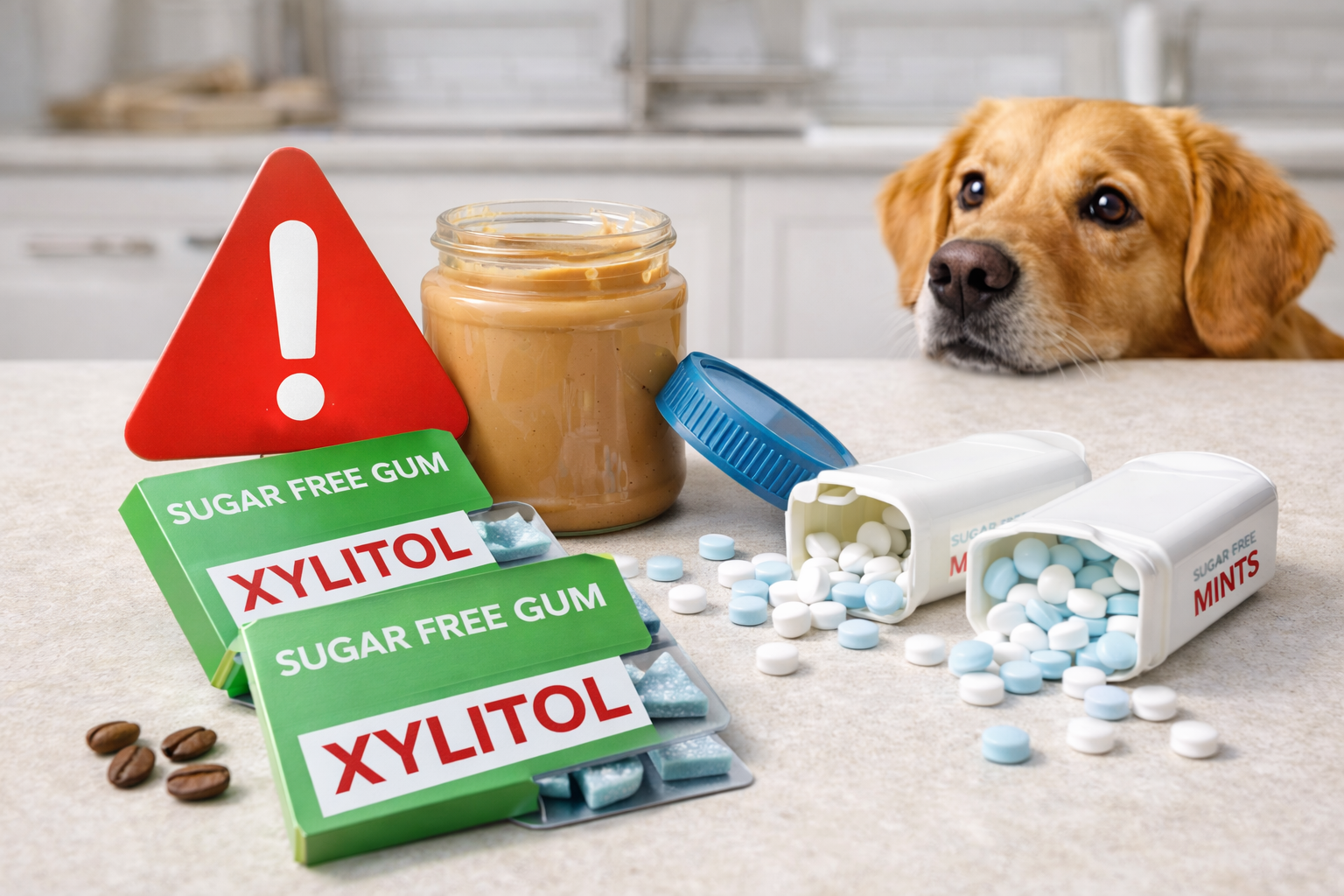
Xylitol Poisoning in Dogs and Cats: The Hidden Danger in Sugar-Free Products
Xylitol is 100x more toxic to dogs than chocolate. Learn where this hidden sweetener lurks, symptoms of poisoning, and how to keep your pets safe.
Stop Googling. Start scanning.
Next time your pet gets into something, skip the articles. Open ToxiPets, scan it, and get a personalized answer in seconds — based on your pet's weight, breed, and health.
Free to download • Used by 50,000+ pet parents