
The Most Common Pet Toxins: What Every Pet Owner Should Know

Published November 15, 2025
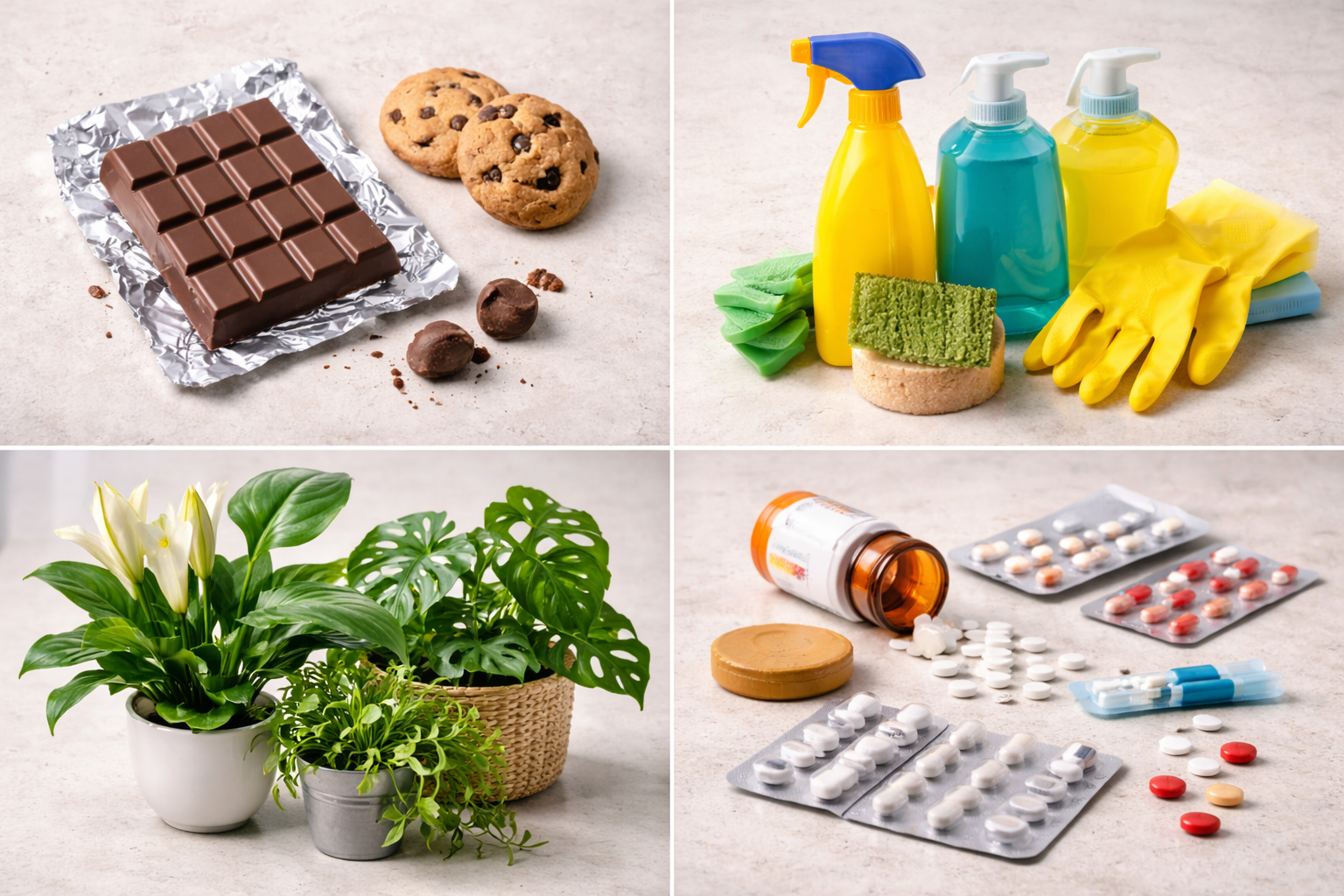
Every year, pet poison control hotlines handle hundreds of thousands of cases, with numbers steadily increasing. In 2023 alone, the ASPCA's Animal Poison Control Center (APCC) handled more than 400,000 pet poisoning cases.
The reality? Pet poisoning is alarmingly common, and a handful of toxin categories account for the vast majority of cases.
The Most Common Pet Toxin Categories
Each year, the ASPCA releases a list of the most frequently reported pet toxins based on emergency calls. Here's the breakdown:
| Category | % of Cases |
|---|---|
| Human Medications (OTC & Prescription) | 29.8% |
| Human Foods (Including Chocolate) | 29.2% |
| Veterinary Products | 8.3% |
| Plants and Fungi | 8.1% |
| Household Products | 7.1% |
| Rodenticides (Rat & Mouse Poison) | 6.5% |
| Insecticides | 3.5% |
| Recreational Drugs | 2.3% |
1. Human Medications – 29.8% of Cases
Human medications cause the most pet poisonings, making up nearly one-third of all cases.
Over-the-Counter (OTC) Medications (16.8%)
These are the most common culprits for pet poisoning:
- Ibuprofen (Advil, Motrin) – Causes stomach ulcers and kidney damage
- Acetaminophen (Tylenol) – Extremely toxic to cats; damages liver in dogs
- Cold & Allergy Medications – Some contain pseudoephedrine, which can be fatal
Prescription Medications (13%)
While prescribed for humans, these can be deadly to pets if ingested:
- Antidepressants (Prozac, Zoloft, Effexor) – Can cause agitation, tremors, or seizures
- ADHD Medications (Adderall, Ritalin) – Can trigger severe heart problems
- Blood Pressure & Heart Medications – Even small amounts can be dangerous
2. Human Foods (Including Chocolate) – 29.2% of Cases
Not all table scraps are safe. Chocolate alone makes up 13% of poisoning cases, while other toxic foods account for 16.2%.
Chocolate: The #1 Food Toxin
- Contains theobromine & caffeine, which dogs can't metabolize
- Dark and baking chocolate are the most dangerous
- APCC receives 103 chocolate poisoning calls per day
- Cases spike around holidays (Halloween, Christmas, Valentine's Day)
Other Commonly Reported Toxic Foods
- Grapes & Raisins – Can cause kidney failure, even in small amounts
- Xylitol (sugar substitute) – Found in sugar-free gum, peanut butter, and mints; causes liver failure and dangerously low blood sugar
- Onions & Garlic – Can destroy red blood cells and cause anemia
3. Veterinary Medications – 8.3% of Cases
Ironically, medications meant for pets can also be a leading source of poisoning.
- Flavored chewable meds (calming chews, joint supplements, heartworm preventatives) taste like treats
- If pets gain access, they may consume an entire bottle
- Overdosing, even on safe pet medications, can cause liver or kidney damage
4. Plants & Fungi – 8.1% of Cases
Plants and flowers can look beautiful but be deadly for pets, especially cats.
- Lilies – Extremely toxic to cats; even small amounts can cause kidney failure
- Sago Palms – Deadly to both dogs and cats; seeds are the most toxic part
- Tulips & Daffodil Bulbs – Can cause vomiting, drooling, and even heart issues
5. Household Products – 7.1% of Cases
Everyday cleaning products and household chemicals are a major hazard. Even silica packets or oxygen absorbers from snack bags can be toxic.
6. Rodenticides (Rat & Mouse Poison) – 6.5% of Cases
Rodent poisons work because they're lethal, but they're just as dangerous for pets. These are designed to be attractive to animals, making them a serious risk.
7. Insecticides – 3.5% of Cases
Bug sprays, lawn treatments, and ant baits may seem harmless, but some insecticides can be fatal, especially to cats.
8. Recreational Drugs – 2.3% of Cases
With legalized marijuana, THC-related pet poisoning cases have increased 430% since 2019.
Most Common Offenders
- THC Edibles (Brownies, Gummies, Butter) – Dogs love the sweet taste, but THC can cause severe intoxication
- Hallucinogenic Mushrooms – Cases rose 74% in 2023
Venomous Reptile Bites: A Separate but Serious Risk
Snake and lizard bites are not considered toxins but fall under "envenomation." Each year, an estimated 150,000 dogs and cats are bitten by venomous snakes in the U.S.
Common Venomous Reptiles
- Snakes: Rattlesnakes, copperheads, cottonmouths, coral snakes
- Lizards: Gila monsters, Mexican beaded lizards
Emergency Contacts
🇺🇸 United States
ASPCA Animal Poison Control: (888) 426-4435
Pet Poison Helpline: (855) 764-7661
Note: Consultation fees typically apply ($75-95)
Protect Your Pet Today
Understanding the most common sources of pet poisoning is the first step in prevention. Remember:
- Nearly 60% of all cases come from just two categories: human medications and human foods
- Chocolate alone accounts for 13% of all poisoning cases
- THC poisoning has increased 430% since 2019
- Even pet medications can be dangerous if overdosed
Use ToxiPets to instantly check if any product, food, or plant is safe for your pet. With over 700,000 items in our database, you'll always have the information you need at your fingertips.
Be honest — you won't remember this article at 2am when your pet eats something.
Skip the Googling next time. Scan any food, plant, or product in ToxiPets and get an instant answer personalized to your pet’s weight and breed.
Frequently Asked Questions
What is the most common cause of pet poisoning?
How common is chocolate poisoning in dogs?
What human foods are most toxic to pets?
Are pet medications safe for pets?
What plants are most toxic to cats?
How has marijuana legalization affected pet poisoning?
How many pets are bitten by venomous snakes each year?
How can I prevent pet poisoning?
Dr. Kamala Freeman
DVM • Emergency Veterinarian
Dr. Kamala Freeman is an emergency veterinarian with extensive experience in urgent pet care and toxicity cases. She works at an emergency veterinary hospital treating pets exposed to poisons, toxins, and other life-threatening emergencies.
Related Articles
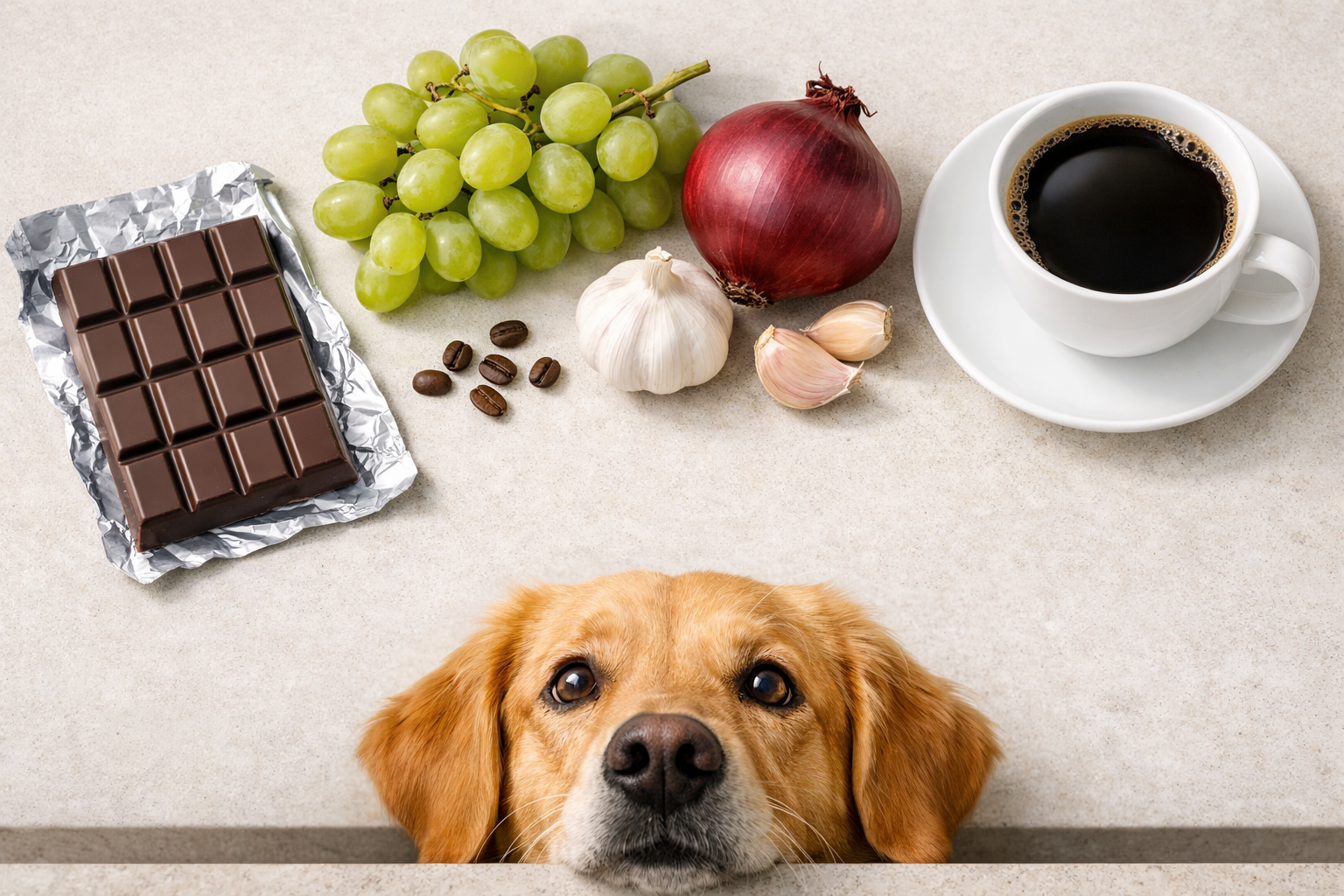
Foods Toxic to Dogs and Cats: The Complete Guide (2026)
Complete list of human foods that are dangerous for your pets. Learn which common foods can harm your dog or cat, symptoms of poisoning, and what to do in an emergency.
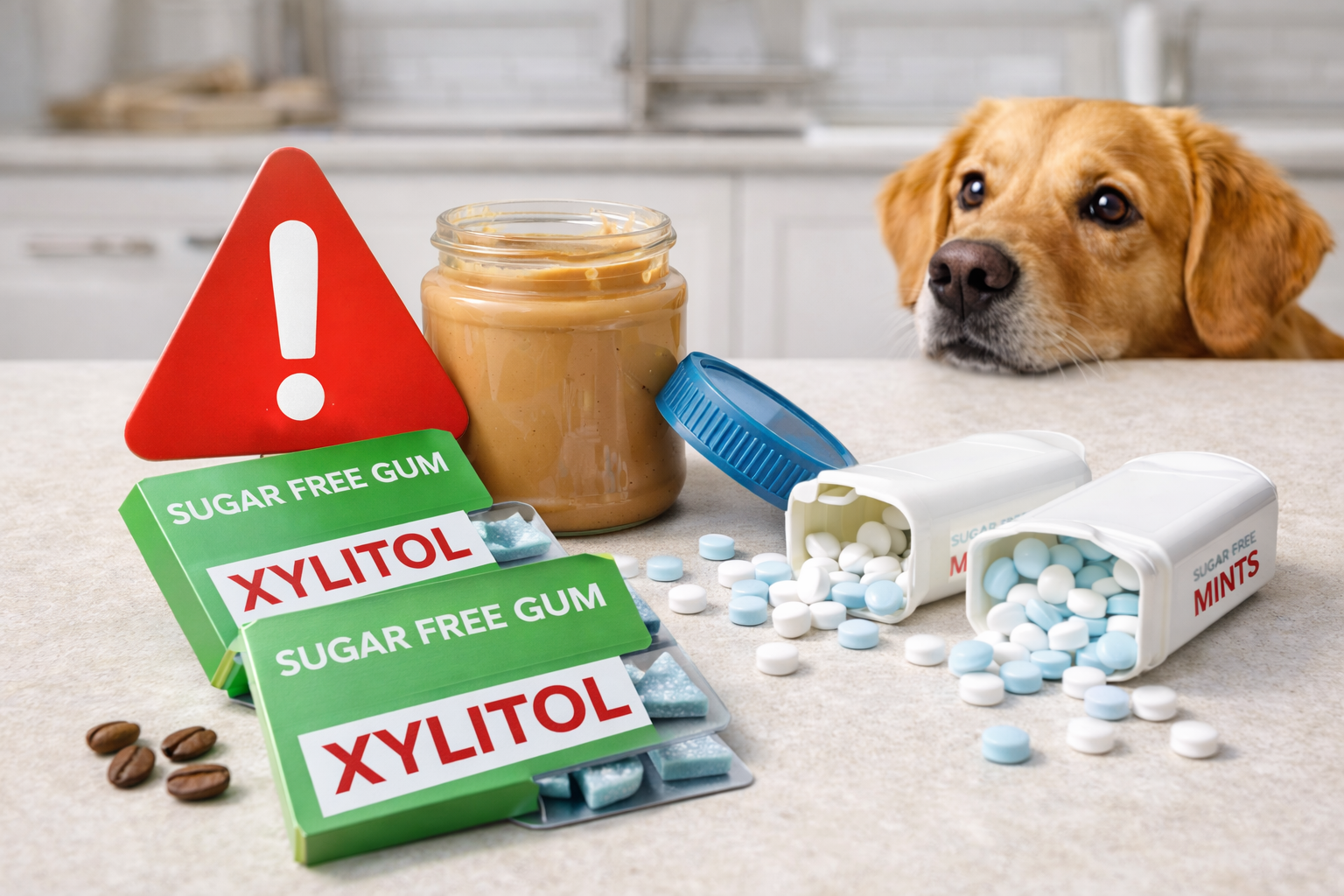
Xylitol Poisoning in Dogs and Cats: The Hidden Danger in Sugar-Free Products
Xylitol is 100x more toxic to dogs than chocolate. Learn where this hidden sweetener lurks, symptoms of poisoning, and how to keep your pets safe.
Stop Googling. Start scanning.
Next time your pet gets into something, skip the articles. Open ToxiPets, scan it, and get a personalized answer in seconds — based on your pet's weight, breed, and health.
Free to download • Used by 50,000+ pet parents