
Is Stevia Safe for Dogs and Cats? What Vets Say About Artificial Sweeteners

Published April 2, 2026

Pet owners know xylitol is dangerous — but what about stevia, monk fruit, erythritol, and other sugar-free sweeteners? With over 500+ monthly searches from pet owners asking "is stevia safe for dogs?", there's clearly confusion about which sweeteners are safe and which are deadly.
This vet-reviewed guide breaks down every common artificial sweetener so you know exactly what to worry about — and what's actually fine.
The Complete Sweetener Safety Chart
| Sweetener | Dogs | Cats | Notes |
|---|---|---|---|
| Xylitol | TOXIC — potentially fatal | Less studied, avoid | Causes rapid insulin spike, hypoglycemia, liver failure |
| Stevia | Safe | Safe | May cause mild GI upset in large amounts |
| Monk Fruit | Safe | Safe | Check for xylitol in combination products |
| Erythritol | Safe | Safe | Does NOT cause insulin spike like xylitol |
| Sucralose (Splenda) | Generally safe | Generally safe | May cause GI upset. Not well-studied in pets long-term |
| Aspartame (Equal) | Low toxicity | Low toxicity | Can cause mild GI upset. Not as dangerous as xylitol |
| Saccharin (Sweet'N Low) | Generally safe | Generally safe | Very low toxicity risk at normal amounts |
| Sorbitol | Caution | Caution | Can cause diarrhea. Less dangerous than xylitol but same sugar alcohol family |
| Mannitol | Caution | Caution | Can cause GI upset and diarrhea in moderate amounts |
Xylitol: Why It's So Dangerous
Xylitol deserves special attention because it's in hundreds of common products and even small amounts can kill a dog.
How Xylitol Hurts Dogs
In dogs, xylitol is rapidly absorbed and triggers a massive release of insulin from the pancreas. This causes:
- Hypoglycemia (dangerously low blood sugar) — within 15-30 minutes
- Liver failure — can develop within 24-48 hours even with treatment
- Coagulopathy (blood clotting problems) — secondary to liver damage
Toxic Dose
As little as 0.1 g/kg (grams per kilogram of body weight) can cause hypoglycemia. For a 10-pound dog, that's less than half a gram — the amount in 1-2 pieces of sugar-free gum.
Where Xylitol Hides
Veterinarians warn that pet owners often don't realize how many products contain xylitol:
- Sugar-free gum (the most common source of dog poisoning)
- Sugar-free mints and candy
- Some peanut butter brands (always check the label!)
- Sugar-free baked goods
- Some melatonin supplements
- Toothpaste and mouthwash
- Some children's chewable vitamins
- Nasal sprays
- Some sugar-free protein bars
Stevia: The Safe Alternative
Stevia (from the Stevia rebaudiana plant) is the most commonly asked-about sweetener for pet safety. Here's what we know:
- Not toxic to dogs or cats — does not cause insulin spikes
- May cause mild diarrhea in large amounts (osmotic effect)
- No known long-term risks in pets at normal exposure levels
- Cats can't taste sweet — they lack the taste receptor, so they won't seek it out
The main concern with stevia products is that they often contain other sweeteners as fillers. Always read the full ingredient list — if a "stevia" product also contains xylitol, it's not safe for dogs.
What to Do If Your Dog Eats Something Sugar-Free
- Check the ingredient list immediately — Look for xylitol, birch sugar, or wood sugar
- If it contains xylitol: Call your vet or Pet Poison Helpline (855-764-7661) immediately. This is a time-critical emergency.
- If it contains only stevia, monk fruit, or erythritol: Monitor for GI upset but don't panic. Contact your vet if symptoms are severe.
- If you can't determine the sweetener: Treat it as a potential xylitol exposure and call your vet immediately.
The Bottom Line
Not all artificial sweeteners are created equal. Xylitol is the only common sweetener that's truly dangerous to dogs. Stevia, monk fruit, and erythritol are generally safe. But always check the full ingredient list — "sugar-free" products often combine multiple sweeteners.
Use ToxiPets to scan any sugar-free product's barcode. We'll identify all sweeteners and tell you instantly if any are dangerous for your pet.
Be honest — you won't remember this article at 2am when your pet eats something.
Skip the Googling next time. Scan any food, plant, or product in ToxiPets and get an instant answer personalized to your pet’s weight and breed.
Frequently Asked Questions
Is stevia toxic to dogs?
Is stevia safe for cats?
What is the most dangerous sweetener for dogs?
Is monk fruit safe for dogs?
Is erythritol safe for dogs?
Dr. Kamala Freeman
DVM • Emergency Veterinarian
Dr. Kamala Freeman is an emergency veterinarian with extensive experience in urgent pet care and toxicity cases. She works at an emergency veterinary hospital treating pets exposed to poisons, toxins, and other life-threatening emergencies.
Related Articles
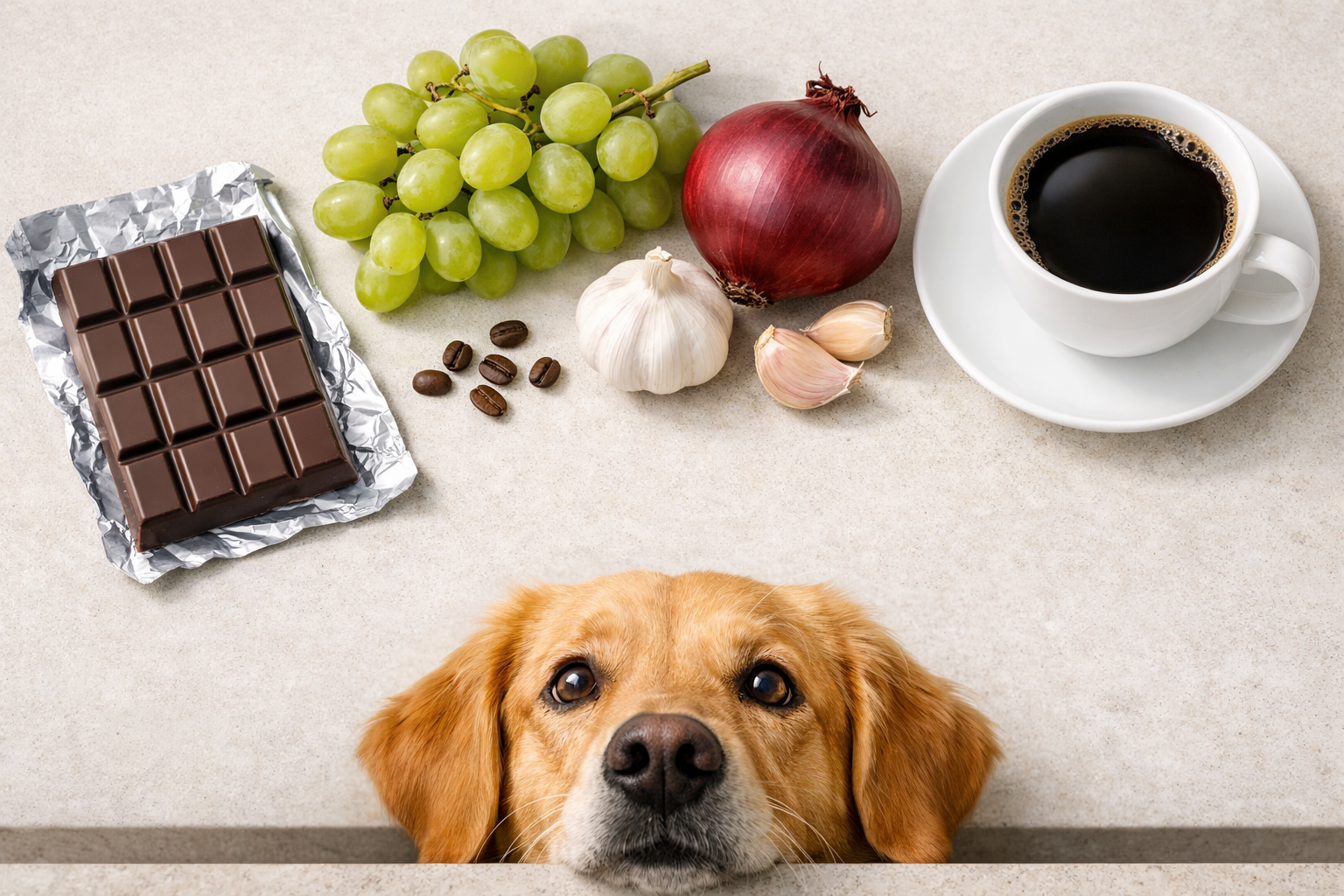
Foods Toxic to Dogs and Cats: The Complete Guide (2026)
Complete list of human foods that are dangerous for your pets. Learn which common foods can harm your dog or cat, symptoms of poisoning, and what to do in an emergency.
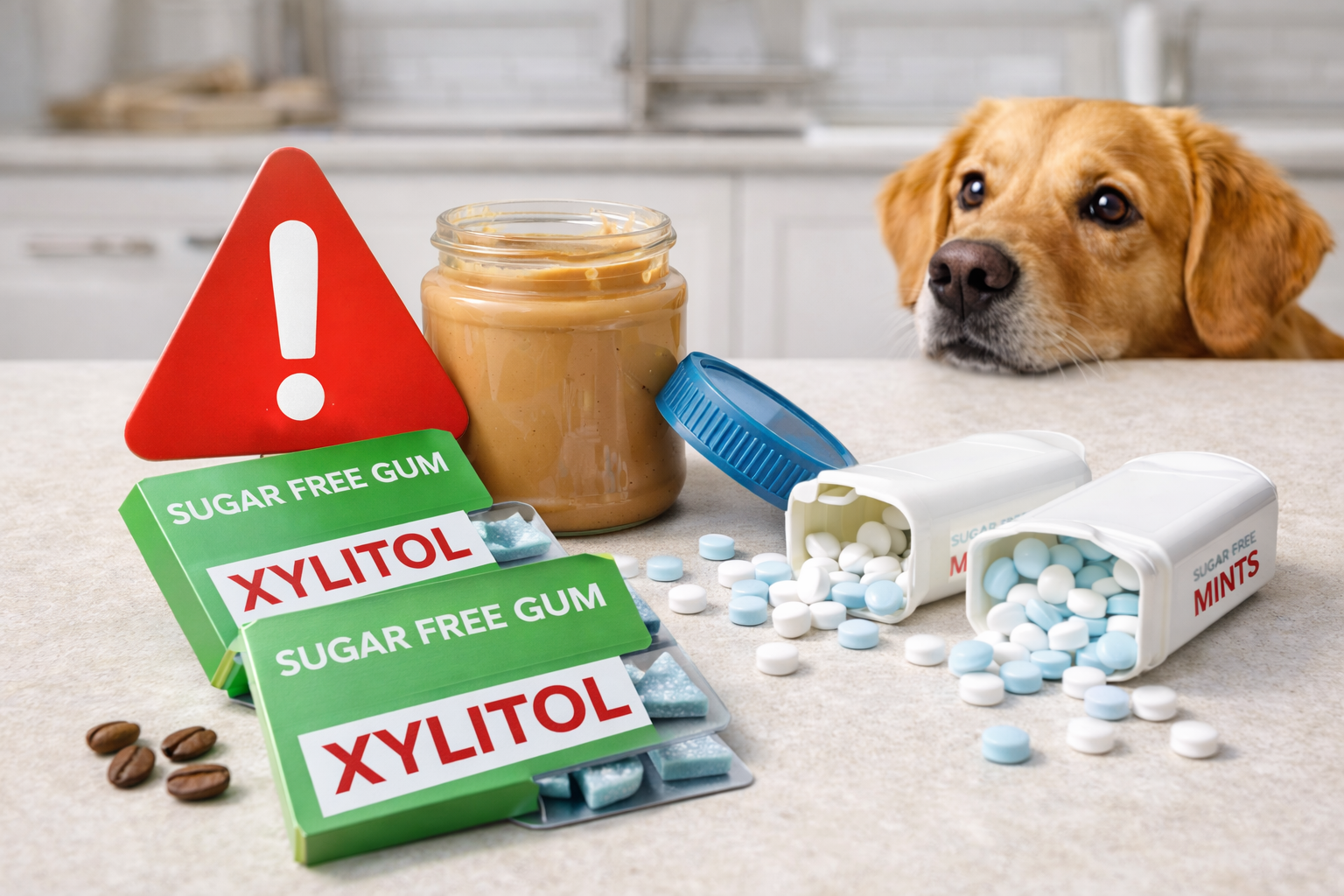
Xylitol Poisoning in Dogs and Cats: The Hidden Danger in Sugar-Free Products
Xylitol is 100x more toxic to dogs than chocolate. Learn where this hidden sweetener lurks, symptoms of poisoning, and how to keep your pets safe.
Stop Googling. Start scanning.
Next time your pet gets into something, skip the articles. Open ToxiPets, scan it, and get a personalized answer in seconds — based on your pet's weight, breed, and health.
Free to download • Used by 50,000+ pet parents