
Human Medications That Can Kill Your Dog or Cat: A Vet's Warning

Published April 2, 2026

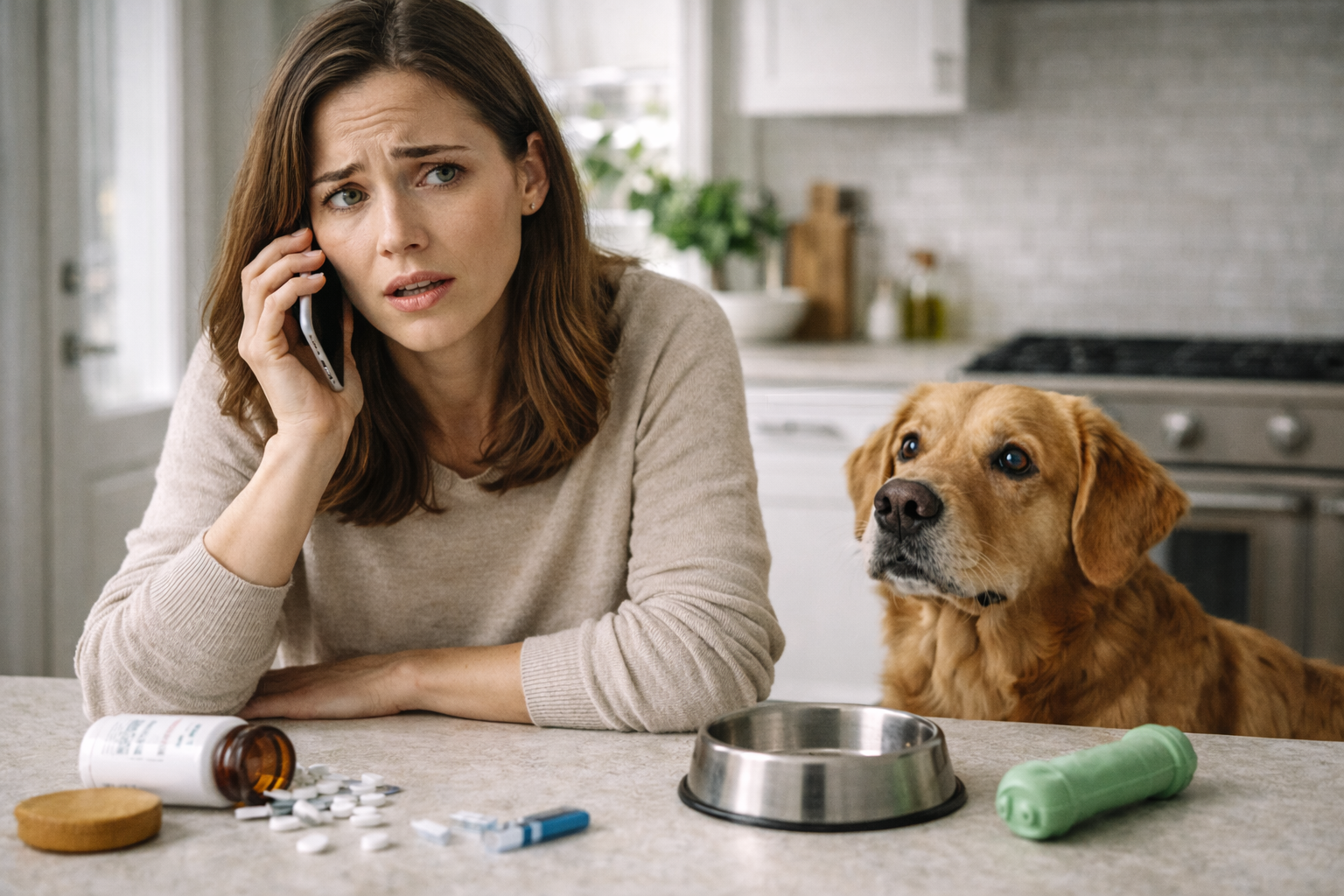
Human medications are the #1 cause of pet poisoning reported to the ASPCA Animal Poison Control Center. Veterinarians see these cases regularly — a dog that ate a dropped pill, a cat that chewed through a pill bottle, or an owner who gave their pet human medicine thinking it would help.
This guide covers the most dangerous human medications for dogs and cats, based on input from practicing emergency veterinarians.
Pain Medications — The #1 Danger
NSAIDs (Ibuprofen, Naproxen, Aspirin)
NSAIDs (non-steroidal anti-inflammatory drugs) are the most common medication toxicity in pets. Brand names include Advil, Motrin, Aleve, and aspirin.
| Medication | Toxic Dose (Dogs) | Toxic Dose (Cats) | What It Does |
|---|---|---|---|
| Ibuprofen (Advil) | ~25 mg/kg (GI effects); ~100 mg/kg (kidney failure) | Any amount — extremely sensitive | Stomach ulcers, kidney failure, seizures |
| Naproxen (Aleve) | ~5 mg/kg | Any amount | GI bleeding, kidney failure (longer-acting than ibuprofen) |
| Aspirin | ~50 mg/kg (toxic); lower doses used therapeutically under vet supervision | ~25 mg/kg (cats metabolize very slowly) | GI ulceration, bleeding disorders |
Acetaminophen (Tylenol)
Acetaminophen is extremely dangerous to cats. A single regular-strength tablet (325mg) can be fatal to a cat. In dogs, it causes liver damage at higher doses.
- Cats: Destroys red blood cells (methemoglobinemia), causes liver failure. Fatal at very low doses.
- Dogs: Liver damage at >75 mg/kg. Less immediately dangerous than for cats but still toxic.
- Symptoms: Brown/blue gums, swollen face, difficulty breathing, lethargy, vomiting
Antidepressants and ADHD Medications
These medications are increasingly common in homes and increasingly common in pet poisoning cases.
SSRIs and SNRIs
- Sertraline (Zoloft) — Can cause serotonin syndrome: agitation, tremors, seizures, hyperthermia
- Fluoxetine (Prozac) — Similar serotonin syndrome risk. Ironically, low doses are sometimes prescribed for pets by vets — but human doses are far too high
- Venlafaxine (Effexor) — Particularly dangerous for cats; they seem attracted to the capsules
- Duloxetine (Cymbalta) — Serotonin syndrome plus potential liver damage
ADHD Medications
- Amphetamines (Adderall) — Causes hyperactivity, tremors, seizures, cardiac problems, hyperthermia
- Methylphenidate (Ritalin, Concerta) — Similar stimulant toxicity
Sleep Aids and Supplements
Melatonin
Melatonin itself is sometimes used in veterinary medicine for dogs. However, many melatonin supplements contain xylitol as a sweetener — and xylitol is one of the most deadly substances for dogs.
Benzodiazepines (Xanax, Valium)
Can cause severe sedation, incoordination, and respiratory depression in pets. Cats may paradoxically become agitated. While sometimes used in veterinary medicine at carefully calculated doses, human doses are dangerously high for pets.
Topical Medications and Creams
Veterinarians report that pets frequently lick topical medications off their owners' skin or get into tubes of cream.
- Steroid creams (hydrocortisone, betamethasone) — Can cause Cushing's-like symptoms if ingested repeatedly
- Muscle rubs (Bengay, Icy Hot) — Contain methyl salicylate (wintergreen oil), which is an NSAID. Toxic if licked.
- Hormone creams (estrogen, testosterone) — Can cause hormonal disruption in pets who contact treated skin
- 5-Fluorouracil cream (Efudex) — Chemotherapy cream that is rapidly fatal to dogs. Even a small lick can kill.
Inhalers
Dogs love to chew on inhalers. A punctured albuterol inhaler can release the entire contents at once — a massive overdose that causes life-threatening heart arrhythmias, low potassium, and tremors.
What to Do If Your Pet Eats Medication
- Don't panic, but act fast — Note what medication, how much, and when
- Collect the evidence — Bring the medication bottle/package to the vet
- Call immediately:
- Your veterinarian
- ASPCA Poison Control: (888) 426-4435
- Pet Poison Helpline: (855) 764-7661 ($65-70 consultation fee)
- Do NOT induce vomiting unless told to by a veterinarian
- Do NOT try home remedies — milk, hydrogen peroxide, and charcoal can make things worse without professional guidance
What CAN You Give Your Pet for Pain?
Only give medications prescribed by your veterinarian. Pet-safe options include:
- Dogs: Carprofen (Rimadyl), Meloxicam (Metacam), Gabapentin (for certain types of pain)
- Cats: Buprenorphine, Meloxicam (short-term only, under strict vet supervision), Gabapentin
Use ToxiPets to check any medication — scan the barcode or search by name to see if it's dangerous for your dog or cat.
Be honest — you won't remember this article at 2am when your pet eats something.
Skip the Googling next time. Scan any food, plant, or product in ToxiPets and get an instant answer personalized to your pet’s weight and breed.
Frequently Asked Questions
Can I give my dog ibuprofen for pain?
What happens if my cat eats ibuprofen?
Is melatonin safe for dogs?
My dog ate an antidepressant. What should I do?
What is the most common medication poisoning in pets?
Can I give my dog Tylenol?
Dr. Kamala Freeman
DVM • Emergency Veterinarian
Dr. Kamala Freeman is an emergency veterinarian with extensive experience in urgent pet care and toxicity cases. She works at an emergency veterinary hospital treating pets exposed to poisons, toxins, and other life-threatening emergencies.
Related Articles
Pet Poisoning: What to Know and What to Do in an Emergency
Complete guide to recognizing poisoning symptoms in dogs and cats, common toxins to avoid, and the exact steps to take in a pet poisoning emergency.
The Most Common Pet Toxins: What Every Pet Owner Should Know
Over 400,000 pet poisoning cases happen each year. Learn which toxin categories cause 96% of all cases and how to protect your pets.
Stop Googling. Start scanning.
Next time your pet gets into something, skip the articles. Open ToxiPets, scan it, and get a personalized answer in seconds — based on your pet's weight, breed, and health.
Free to download • Used by 50,000+ pet parents