
Can Dogs Eat That? 25 Common Human Foods Answered by a Vet

Published April 2, 2026
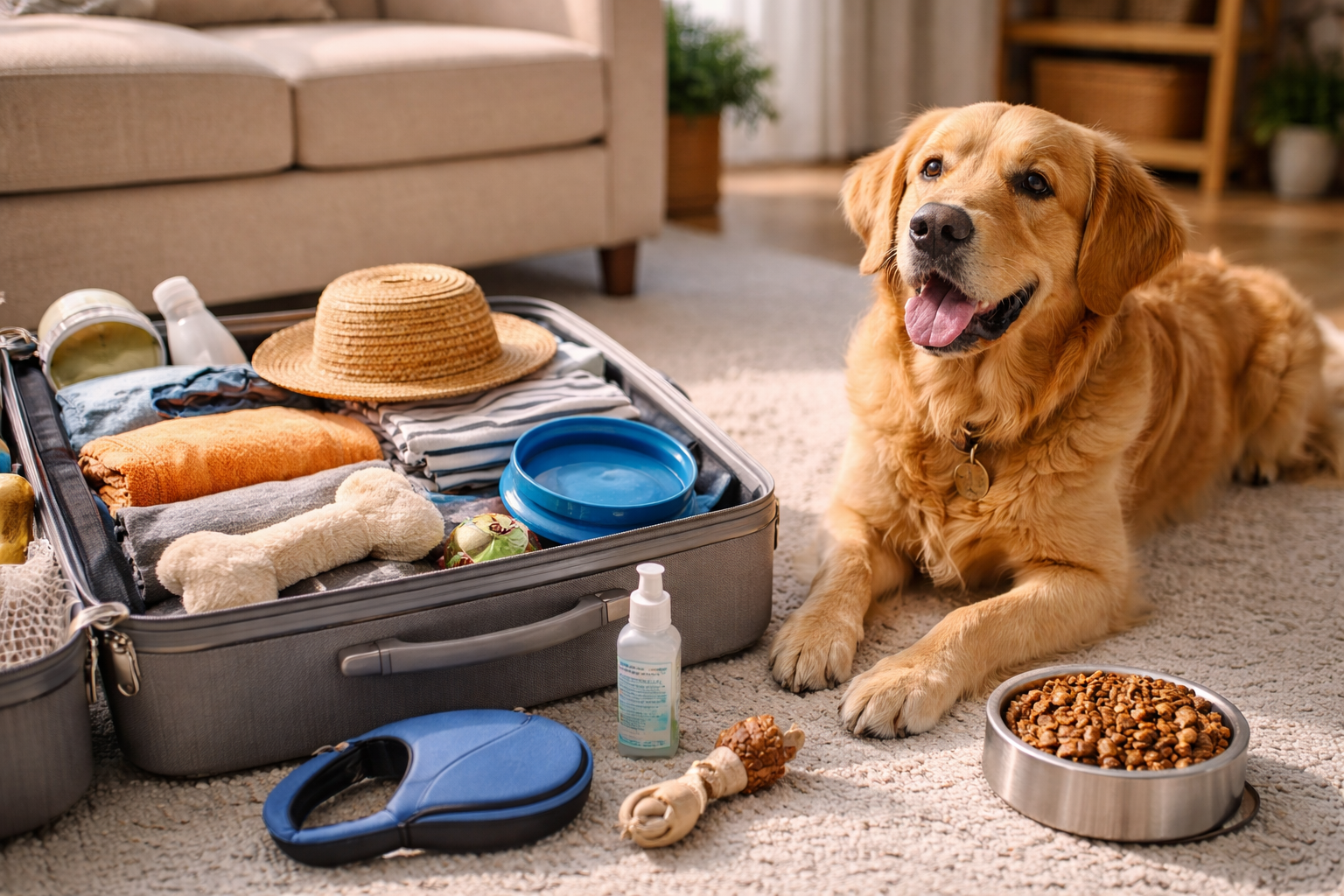
Every dog owner has been there — your dog is staring at you with those eyes while you eat, and you wonder: can they have some? We analyzed search data from thousands of pet owners to find the 25 foods people ask about most, then got definitive answers from veterinarians.
Each food is rated as Safe, Caution, or Toxic — so you know at a glance whether to share or skip.
Baked Goods & Sweets
1. Biscoff Cookies — CAUTION
Not toxic, but not recommended. High in sugar, fat, and spices. The real risk is Biscoff cookie butter/spread, which is even higher in fat and can trigger pancreatitis. One cookie won't kill your dog, but don't make it a habit.
2. Croissants — CAUTION
Plain croissants are not toxic but are very high in butter/fat. The danger is what's inside — chocolate croissants are toxic, and almond or raisin varieties can be dangerous. Plain, small piece = probably fine. Whole chocolate croissant = call your vet.
3. Quiche — CAUTION
Depends on ingredients. Plain egg and cheese quiche in small amounts is generally okay. But quiche with onions, garlic, leeks, or heavy cream is problematic. Quiche Lorraine typically contains enough onion to be a concern for small dogs.
4. Ice Cream — CAUTION
Most dogs are lactose intolerant to some degree. Plain vanilla in small amounts usually causes only mild GI upset. Never give chocolate ice cream (theobromine toxicity) or any ice cream with xylitol, raisins, macadamia nuts, or coffee flavoring.
Condiments & Spreads
5. Mayonnaise — CAUTION
Not toxic, but very high in fat. Small lick = fine. Large amount = risk of pancreatitis, especially in small dogs. Avoid flavored mayo with garlic or onion.
6. Honey — SAFE (with caveats)
Safe for healthy adult dogs in small amounts. High in sugar, so not ideal for diabetic or overweight dogs. Never give honey to puppies under 1 year due to botulism risk.
7. Sunflower Oil — SAFE (in moderation)
Non-toxic and can actually benefit your dog's coat. Small amounts are fine. Large amounts can cause diarrhea and weight gain due to high calorie content.
8. Stevia — SAFE for dogs, CAUTION for cats
Stevia itself is not toxic to dogs or cats. However, products containing stevia often also contain xylitol — always check the full ingredient list. Pure stevia extract is generally considered safe.
Snacks & Junk Food
9. Cheese Puffs / Cheese Curls — CAUTION
Not toxic, but high in sodium, fat, and artificial ingredients. Check the seasoning for onion or garlic powder — these are toxic to dogs. A few puffs won't cause an emergency, but they're not a healthy treat.
10. Popcorn — SAFE (plain)
Plain, air-popped popcorn is safe. Buttered, salted, or flavored popcorn is not recommended. Unpopped kernels are a choking hazard and can damage teeth.
Fruits & Vegetables
11. Bananas — SAFE
Safe and nutritious in moderation. High in potassium, vitamins, and fiber. High in sugar, so keep portions small — a few slices for a medium dog.
12. Apples — SAFE (no seeds)
Apple flesh is safe and healthy. Remove seeds and core — apple seeds contain amygdalin, which converts to cyanide. A few seeds won't cause harm, but it's best practice to remove them.
13. Grapes/Raisins — TOXIC
Never feed grapes or raisins to dogs. Even a single grape can cause acute kidney failure. The toxic substance is still unknown, and there's no safe dose. This includes grape juice, wine, and currants.
14. Watermelon — SAFE (seedless)
Safe and hydrating. Remove seeds (can cause intestinal blockage) and rind (difficult to digest). The flesh is a great summer treat.
15. Yuca/Cassava — CAUTION
Cooked yuca is generally safe in small amounts. Raw yuca is dangerous — it contains cyanogenic glycosides that release cyanide. Always serve fully cooked and peeled.
Proteins & Dairy
16. Eggs — SAFE (cooked)
Cooked eggs are an excellent protein source. Scrambled or hard-boiled without seasoning are best. Raw eggs carry a small risk of Salmonella and contain avidin, which interferes with biotin absorption.
17. Aloe Vera — TOXIC
The latex layer of aloe vera contains saponins and anthraquinones that cause vomiting, diarrhea, and tremors. While the inner gel is less toxic, it's best to keep aloe away from pets entirely.
Common Kitchen Ingredients
18. Garlic — TOXIC
Garlic is toxic to dogs and cats. It damages red blood cells and causes hemolytic anemia. Garlic is about 5x more toxic than onions. Symptoms may not appear for several days. Garlic powder is even more concentrated and dangerous.
19. Onions — TOXIC
All forms of onion (raw, cooked, powder, dehydrated) are toxic. Like garlic, onions destroy red blood cells. This includes shallots, leeks, and chives. Even small amounts in cooked food can be harmful over time.
20. Lavender — CAUTION
The plant itself causes mild GI upset if eaten. Lavender essential oil is more dangerous — it can cause nausea, vomiting, and liver damage, especially in cats. Keep essential oils and diffusers away from pets.
Other Common Questions
21. Roses — SAFE
Rose petals are non-toxic. The thorns are the real hazard — they can injure mouths, paws, and GI tract if swallowed. Remove thorns from any roses in reach of your dog.
22. Spider Plants — SAFE
Spider plants are non-toxic to dogs (and cats). If your dog eats one, they might have mild GI upset from the plant fiber, but there's no toxicity concern. Cats are often attracted to spider plants, which is fine.
23. Marigolds — SAFE (with caution)
Common garden marigolds (Tagetes) can cause mild GI irritation and skin irritation if eaten in large amounts, but they're not truly toxic. They're generally considered safe for dogs.
24. Hibiscus — CAUTION
Rose of Sharon hibiscus can cause vomiting, diarrhea, and nausea in dogs. Tropical hibiscus is generally less problematic. If your dog ate a significant amount of hibiscus flowers, contact your vet.
25. Crescent Rolls — CAUTION
Raw dough is the real danger. Unbaked yeast dough expands in a dog's stomach, causing bloat, and the fermentation process produces alcohol. Baked crescent rolls are similar to croissants — high fat but not toxic in small amounts.
The Bottom Line
When in doubt, don't share. Most human foods that are "safe" for dogs are still not ideal — they're high in sugar, fat, or salt that dogs don't need. The safest treats are those made specifically for dogs, or plain fruits and vegetables like carrots, blueberries, and apple slices.
Download ToxiPets and scan any food before sharing it with your dog. Instant, vet-reviewed answers at your fingertips.
Be honest — you won't remember this article at 2am when your pet eats something.
Skip the Googling next time. Scan any food, plant, or product in ToxiPets and get an instant answer personalized to your pet’s weight and breed.
Frequently Asked Questions
Can dogs eat Biscoff cookies?
Can dogs eat croissants?
Is mayonnaise bad for dogs?
Can dogs eat cheese puffs?
Is honey safe for dogs?
Dr. Kamala Freeman
DVM • Emergency Veterinarian
Dr. Kamala Freeman is an emergency veterinarian with extensive experience in urgent pet care and toxicity cases. She works at an emergency veterinary hospital treating pets exposed to poisons, toxins, and other life-threatening emergencies.
Related Articles
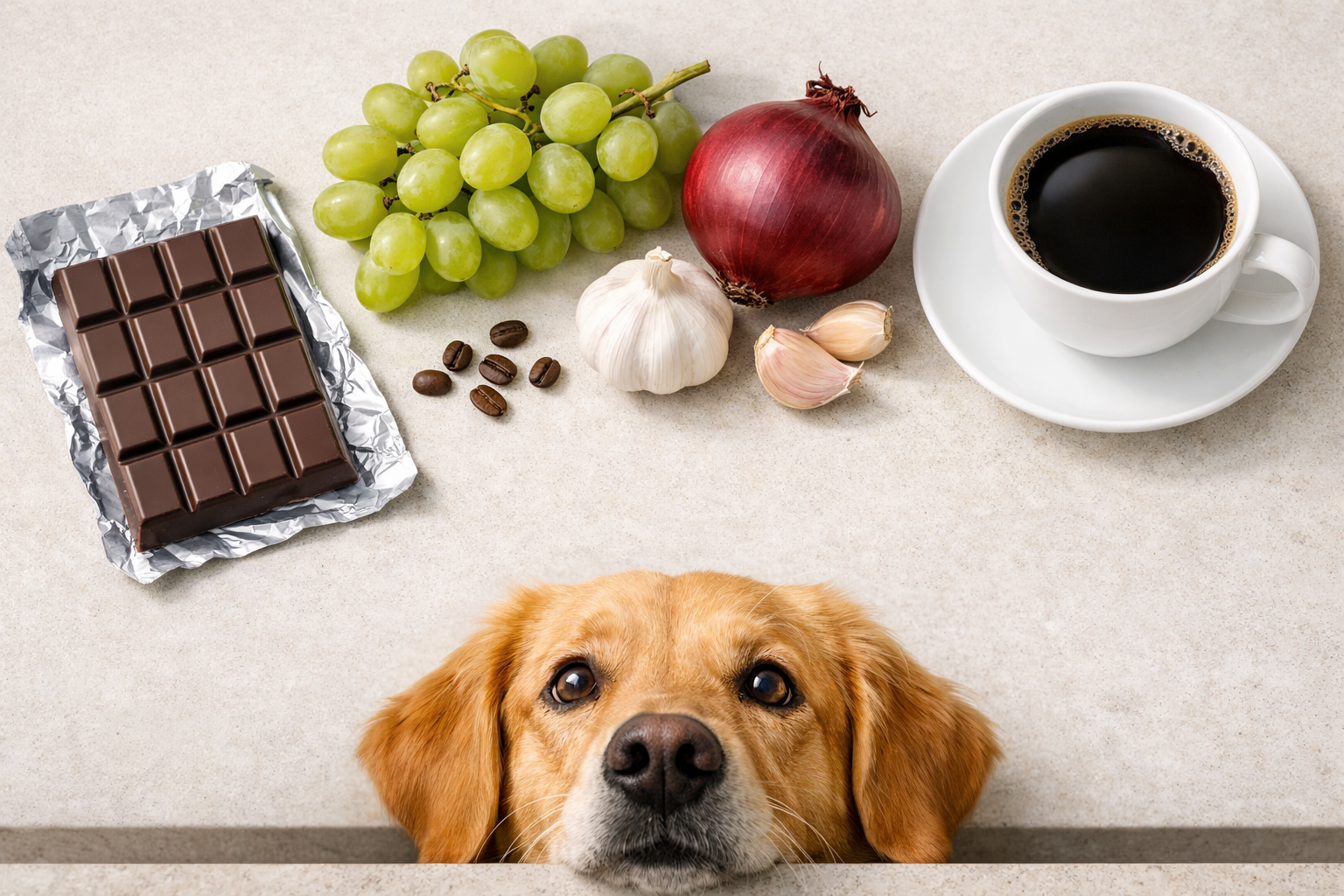
Foods Toxic to Dogs and Cats: The Complete Guide (2026)
Complete list of human foods that are dangerous for your pets. Learn which common foods can harm your dog or cat, symptoms of poisoning, and what to do in an emergency.
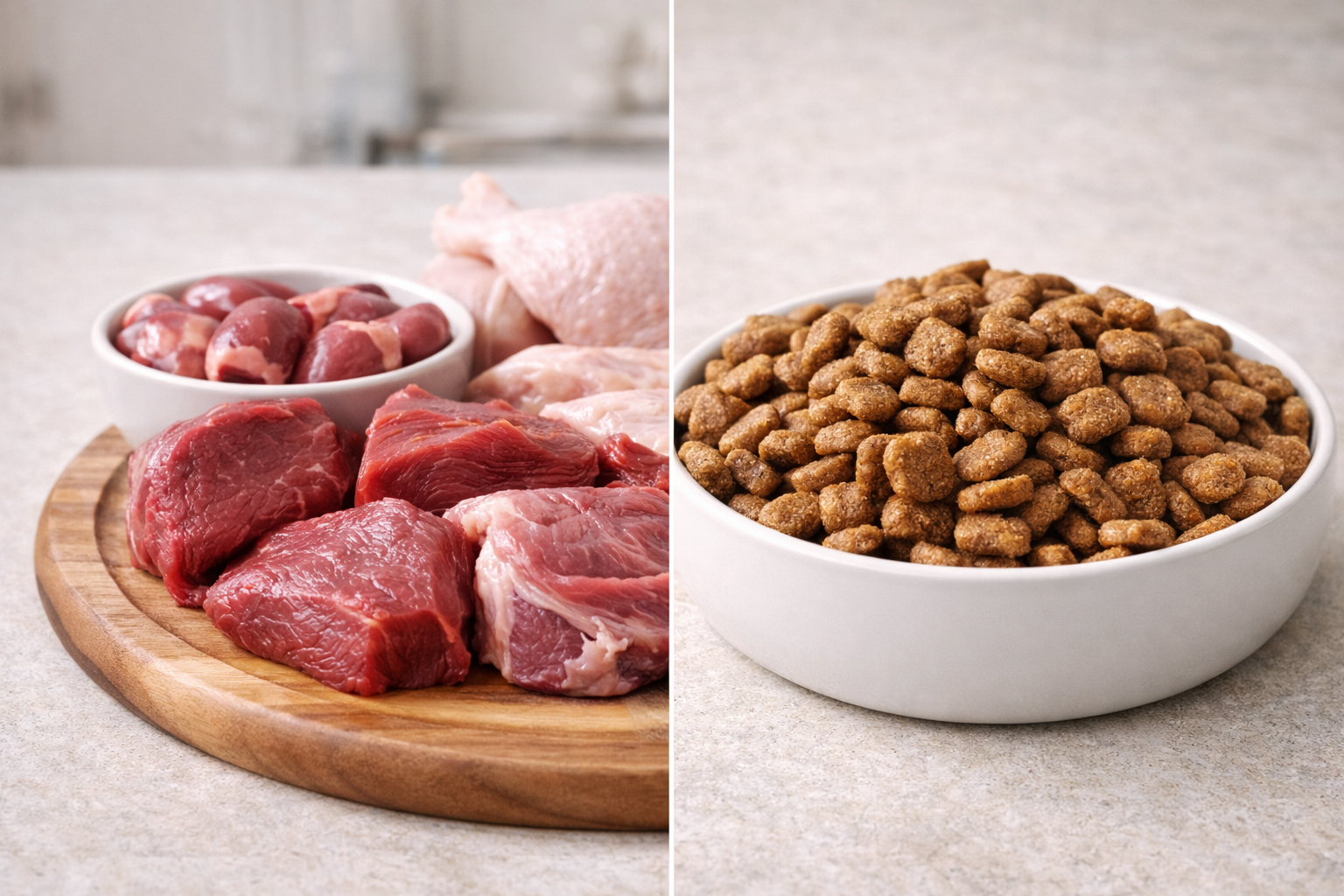
Raw Diet vs Kibble: What Veterinarians Actually Say (2026)
Veterinarians explain why raw diets are riskier than traditional kibble. Learn the real science behind pet food safety, common myths, and what vets recommend for your dog or cat.
Stop Googling. Start scanning.
Next time your pet gets into something, skip the articles. Open ToxiPets, scan it, and get a personalized answer in seconds — based on your pet's weight, breed, and health.
Free to download • Used by 50,000+ pet parents