
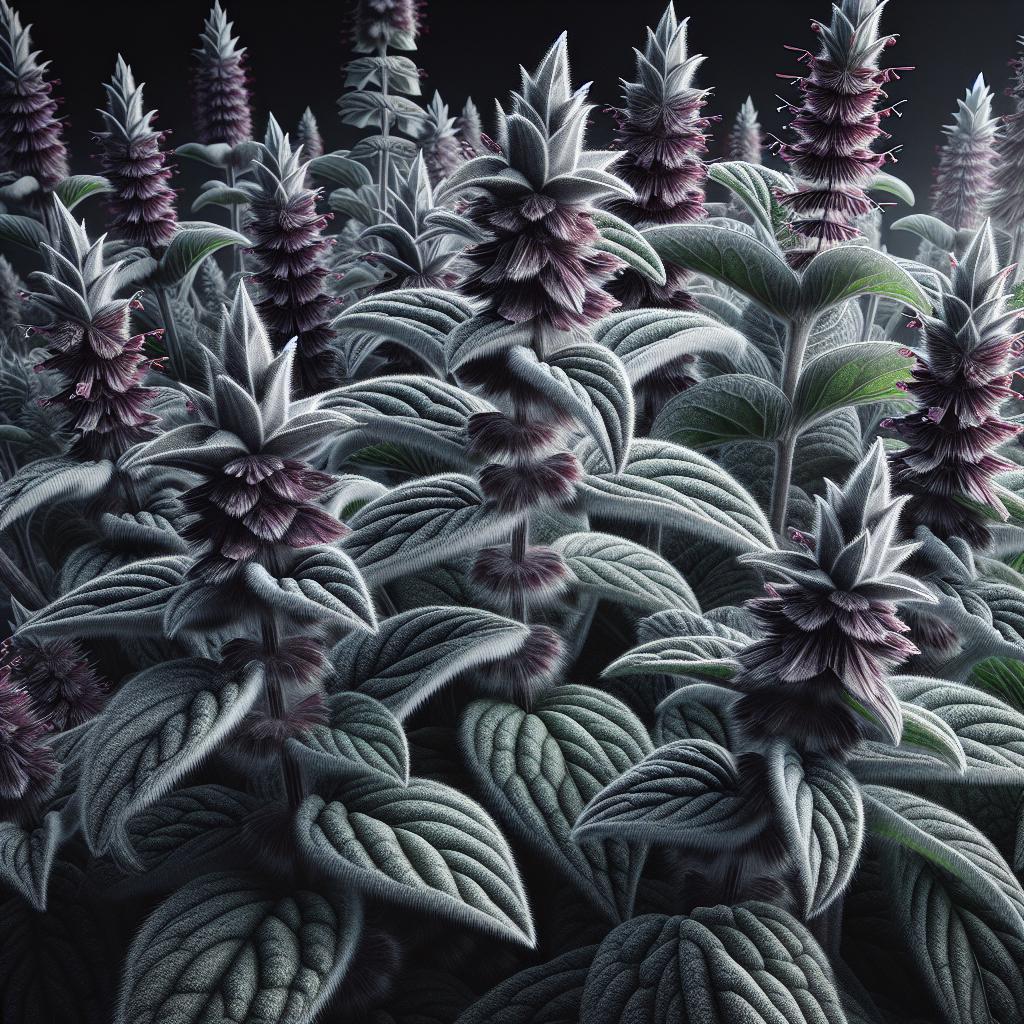
Is Lepechinia calycina Toxic to Dogs and Cats?
Safe
### Safety Information for Pets Lepechinia calycina, commonly known as woodbalm, has not been widely documented regarding its toxicity to pets. However, as a member of the Lamiaceae family, there are both toxic and non-toxic plants within this group. To err on the side of caution, it's advisable to prevent pets, particularly cats and dogs, from ingesting any part of this plant until more specific information is available. If ingestion occurs, consult a veterinarian promptly. ### Detailed Plant Information - **Scientific Name**: Lepechinia calycina - **Common Names**: Woodbalm - **Family**: Lamiaceae (Mint family) - **Plant Type**: Shrub #### Description - **Height and Spread**: Lepechinia calycina typically grows to a height of about 3 to 5 feet with a similar spread, making it a medium-sized shrub. - **Leaves**: The leaves are aromatic, gray-green to silvery-green in color, and have a soft, hairy texture. They are lanceolate to ovate in shape and can grow up to 4 inches long. The foliage is known for its pleasant, minty scent when crushed. - **Flowers**: The plant produces striking tubular flowers that are generally purple to lavender in color. These flowers appear in clusters and are particularly attractive to pollinators such as bees and butterflies. Blooming typically occurs from late spring to early summer. - **Stems**: The stems are woody and can become quite dense over time, contributing to the shrub's bushy appearance. #### Habitat and Distribution - **Native Range**: Lepechinia calycina is native to California, particularly the coastal and inland chaparral regions. It thrives in dry, rocky soils and is well adapted to the Mediterranean climate of the region. - **Preferred Conditions**: This plant prefers full sun to partial shade and well-drained soils. It is drought-tolerant once established, making it a suitable choice for xeriscaping and water-wise gardens. #### Cultivation and Care - **Watering**: Moderate to low watering needs. Allow the soil to dry out between waterings. - **Pruning**: Pruning can be done to maintain shape and remove any dead or damaged branches. It is best done after the flowering period. - **Propagation**: Propagation is typically done through seeds or semi-hardwood cuttings. Seeds should be sown in spring, while cuttings can be taken in late spring to early summer. #### Ecological Importance - **Pollinator Support**: Woodbalm is an excellent plant for attracting pollinators, including bees, butterflies, and hummingbirds, due to its abundant and nectar-rich flowers. - **Wildlife Habitat**: It provides habitat and food for various insects and birds, contributing to the biodiversity of garden ecosystems. #### Uses - **Ornamental**: Woodbalm is primarily used as an ornamental plant in gardens and landscapes. Its aromatic foliage and attractive flowers make it a popular choice for adding color and fragrance to garden beds, borders, and naturalized areas. - **Traditional Uses**: While not as commonly used today, some indigenous cultures have utilized parts of the plant for medicinal purposes, although specific uses are not well documented. ### Summary Lepechinia calycina, or woodbalm, is a versatile and attractive shrub that offers both aesthetic and ecological benefits. While its safety for pets is not well-documented, its role in supporting pollinators and its drought tolerance make it a valuable addition to suitable gardens. As with any plant, it's wise to monitor interactions with pets and consult experts if any concerns arise.
⚠️ Think your pet ate Lepechinia calycina?
Get a personalized safety assessment now.
What To Do If Your Pet Ate Lepechinia calycina
Stay calm and remove your pet from the source
Contact your veterinarian immediately
Call ASPCA Poison Control: (888) 426-4435
Be honest — you won't remember this article at 2am when your pet eats something.
Skip the Googling next time. Scan Lepechinia calycina (or anything else) in ToxiPets and get an instant answer personalized to your pet's weight and breed.