
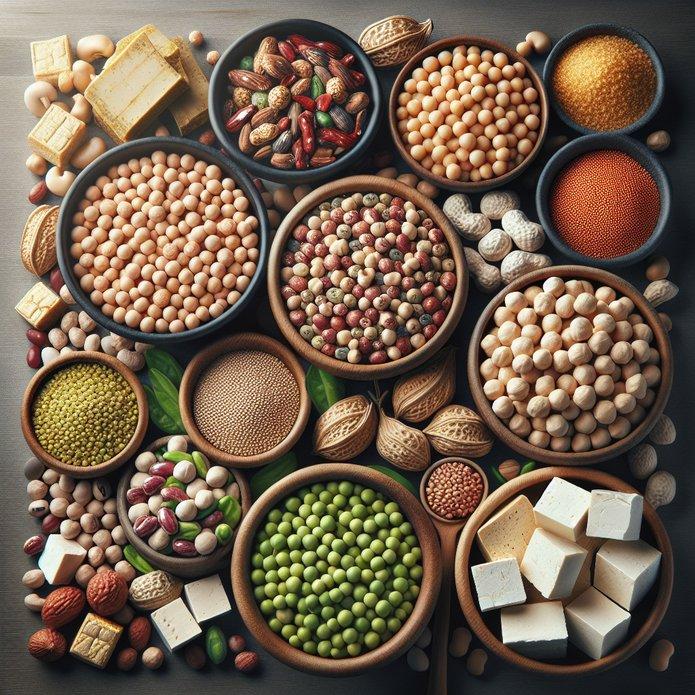
Is PLANT-BASED PROTEIN Toxic to Dogs and Cats?
Caution - Use Care
Generally safe in small amounts, but harmful in excess. Monitor your pet and consult your vet if concerned.
Plant-based protein for pets refers to protein derived from plant sources, such as legumes (peas, beans, lentils), grains (quinoa, rice), and seeds (chia, hemp, pumpkin). These proteins are increasingly used in pet foods as an alternative to animal-based proteins. **Where It Is Found:** Plant-based proteins are found in specialized plant-based or vegetarian pet foods, as well as in some traditional pet foods where they are used to supplement or replace animal proteins. **Safety and Potential Toxicity:** For dogs, plant-based proteins can be part of a balanced diet if formulated correctly, ensuring all essential amino acids and nutrients are provided. However, for cats, who are obligate carnivores, plant-based proteins are more challenging to use exclusively due to the need for specific animal-derived nutrients like taurine, arachidonic acid, and vitamin B12. Generally, plant-based proteins are considered safe for dogs and cats when included as part of a complete and balanced diet that meets their nutritional requirements. However, pet owners should consult with a veterinarian before making any significant changes to their pet's diet, particularly for cats, to avoid nutritional deficiencies.
⚠️ Think your pet ate PLANT-BASED PROTEIN?
Get a personalized safety assessment now.
What To Do If Your Pet Ate PLANT-BASED PROTEIN
Stay calm and remove your pet from the source
Contact your veterinarian immediately
Call ASPCA Poison Control: (888) 426-4435
Be honest — you won't remember this article at 2am when your pet eats something.
Skip the Googling next time. Scan PLANT-BASED PROTEIN (or anything else) in ToxiPets and get an instant answer personalized to your pet's weight and breed.
Sources: CHIVELAB