
Is Antigonon Toxic to Dogs and Cats?
Safe
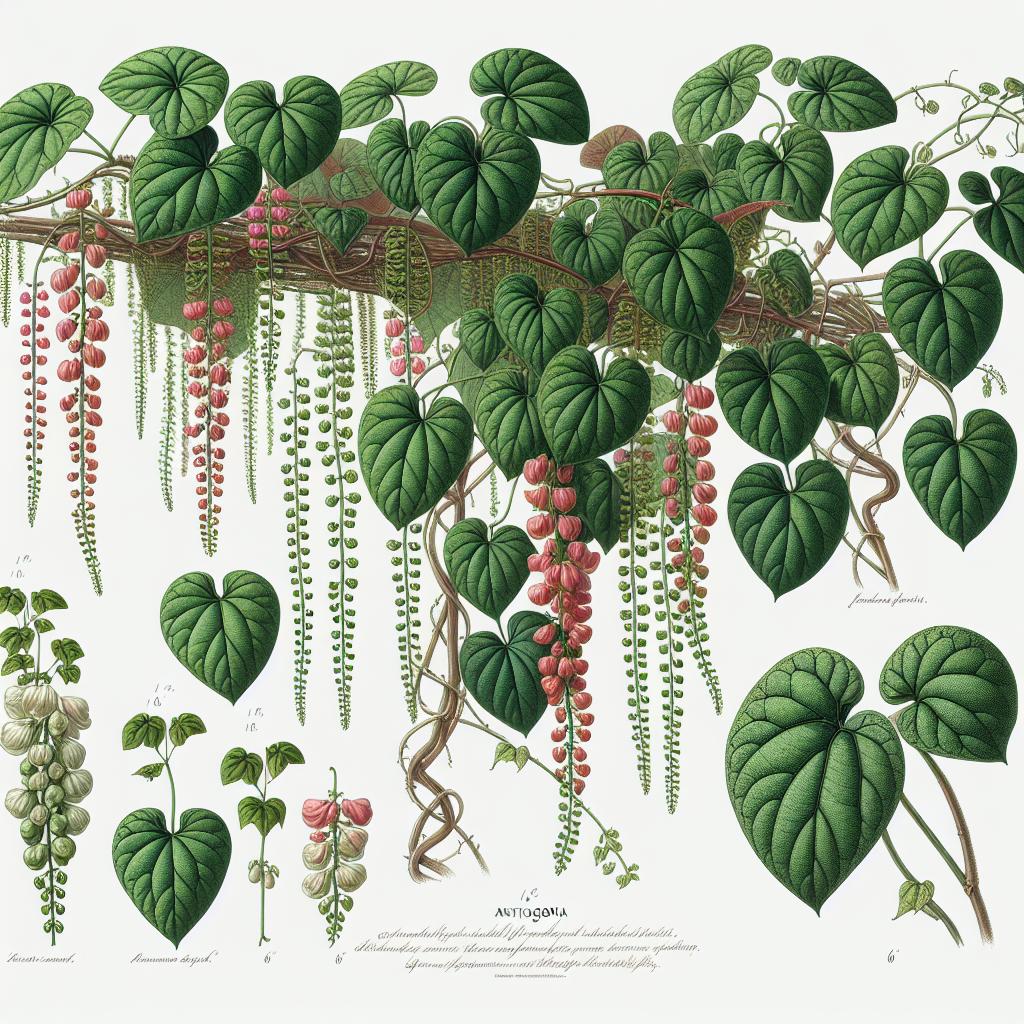
### Safety Information for Pets **Antigonon** species, including the commonly known **Antigonon leptopus** (Coral Vine or Mexican Creeper), are not specifically listed as toxic to pets by major animal welfare organizations such as the ASPCA. However, it’s always prudent to observe caution. If you notice any signs of distress in your pets after exposure or ingestion of this plant, contact your veterinarian immediately. ### Detailed Plant Description #### **Scientific Name**: Antigonon #### **Common Names**: - Coral Vine - Mexican Creeper - Chain of Love - Queen's Wreath #### **Family**: Polygonaceae #### **Plant Type**: Vine ### Characteristics: #### **Growth Habit**: - **Antigonon** is a vigorous, fast-growing deciduous vine. - It can climb up to 40 feet or more via tendrils, making it ideal for trellises, fences, and arbors. #### **Leaves**: - The leaves are heart-shaped, bright green, and arranged alternately along the stem. - They can grow up to 4 inches long and have a slightly rough texture. #### **Flowers**: - The plant is renowned for its showy clusters of small, tubular flowers. - Flowers are most commonly pink, but white and coral varieties also exist. - Blooming is prolific during the warmer months, often from late spring to fall. - The flowers attract pollinators such as bees and butterflies. #### **Fruit**: - Following the flowering period, **Antigonon** produces small, three-angled fruits. - The seeds can propagate easily, contributing to the plant's rapid spread. ### Cultivation: #### **Light**: - Prefers full sun to partial shade. - Full sun will encourage the best flowering. #### **Soil**: - Grows well in a variety of soil types, from sandy to loamy, provided they are well-drained. - Tolerates poor soils, but flourishes in fertile conditions. #### **Water**: - Once established, **Antigonon** is quite drought-tolerant. - Regular watering is recommended to ensure vigorous growth, especially during dry periods. #### **Temperature**: - Thrives in USDA hardiness zones 9-11. - Can tolerate light frost, but heavy frost may damage or kill the plant. #### **Pruning**: - Pruning is essential to manage its growth and prevent it from becoming invasive. - Best pruned in late winter or early spring before new growth starts. ### Uses: #### **Ornamental**: - Popular for its aesthetic appeal in gardens, particularly for covering unsightly structures or creating lush, green screens. - Suitable for hanging baskets and container gardening. #### **Ecological**: - Attracts pollinators, contributing to the local ecosystem's health. ### Potential Concerns: #### **Invasiveness**: - In some regions, **Antigonon** is considered invasive due to its rapid growth and prolific seeding. - It can outcompete native plant species, so it's essential to manage its spread responsibly. ### Conclusion **Antigonon** is a beautiful and versatile vine that can be a delightful addition to gardens and landscapes. While it's generally safe for pets, monitoring its interaction with your animals and controlling its growth to prevent invasiveness are good practices for any gardener.
⚠️ Think your pet ate Antigonon?
Get a personalized safety assessment now.
What To Do If Your Pet Ate Antigonon
Stay calm and remove your pet from the source
Contact your veterinarian immediately
Call ASPCA Poison Control: (888) 426-4435
Be honest — you won't remember this article at 2am when your pet eats something.
Skip the Googling next time. Scan Antigonon (or anything else) in ToxiPets and get an instant answer personalized to your pet's weight and breed.