
Is Aquilegia chrysantha Toxic to Dogs and Cats?
Caution - Use Care
Generally safe in small amounts, but harmful in excess. Monitor your pet and consult your vet if concerned.
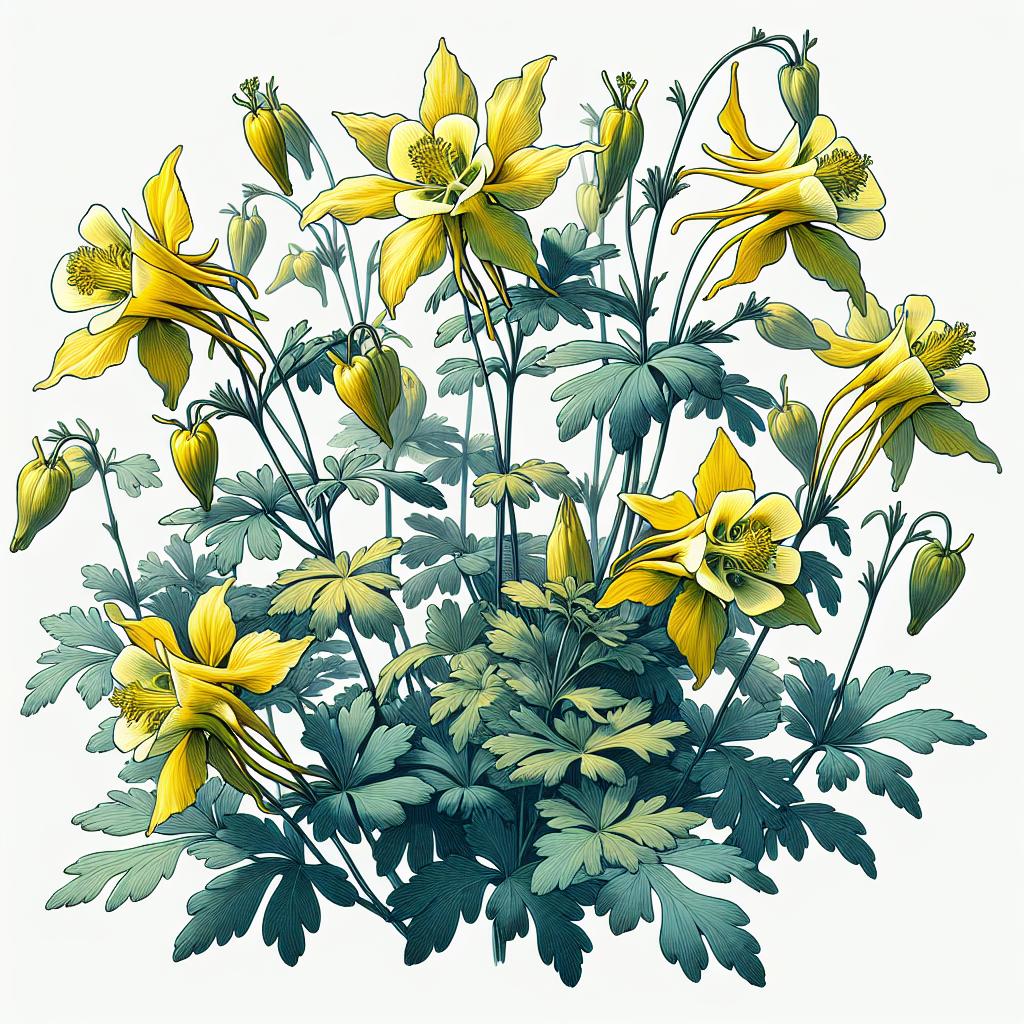
### Safety Information for Pets **Aquilegia chrysantha**, commonly known as Golden Columbine, is generally considered to be of low toxicity to pets such as cats, dogs, and other domestic animals. However, it is prudent to prevent pets from ingesting any part of the plant. Consumption in large quantities could potentially lead to mild gastrointestinal upset. Always consult a veterinarian if you suspect your pet has ingested any part of this plant. ### Detailed Information #### Scientific Name - **Aquilegia chrysantha** #### Common Names - Guldakleja - Golden Columbine - Kulta-akileija - Gullakeleie - Golden columbine #### Family - **Ranunculaceae** #### Plant Type - **Flower** #### Description Golden Columbine is a perennial wildflower known for its striking yellow blooms and delicate, fern-like foliage. The plant typically grows to about 2 to 3 feet in height and spreads roughly 1 to 2 feet wide. Its flowers are characterized by their unique, spurred petals and bright, golden-yellow color, which attract pollinators such as bees, butterflies, and hummingbirds. #### Leaves The leaves of Aquilegia chrysantha are compound, divided into three lobed leaflets that are bluish-green in color. They are often described as having a delicate, lace-like appearance. #### Flowers The distinctive flowers of the Golden Columbine are its most notable feature. Each flower has five petal-like sepals and five petals that form a tubular shape with spurs extending backward. The blooms are bright yellow and can measure about 2 to 3 inches across. The flowering season typically extends from late spring to early summer. #### Habitat and Distribution Aquilegia chrysantha is native to the southwestern United States and northern Mexico. It thrives in well-drained soil and can often be found in rocky slopes, canyon bottoms, and woodland areas. The plant prefers partial shade but can tolerate full sun in cooler climates. #### Growing Conditions - **Soil**: Prefers well-draining soil, can tolerate a range of soil types including sandy, loamy, and clay. - **Light**: Thrives in partial shade to full sun. - **Water**: Requires moderate watering; keep the soil moist but not waterlogged. - **Temperature**: Hardy in USDA zones 3-9; can tolerate a range of temperatures but prefers cooler climates. #### Care and Maintenance Golden Columbine is relatively low-maintenance. Regular deadheading of spent blooms can encourage additional flowering. The plant may benefit from mulching to retain soil moisture and suppress weeds. In colder climates, applying a layer of mulch in late fall can protect the roots over winter. #### Propagation Propagation is commonly done through seed, though the plant can also be divided in the spring or fall. Seeds can be sown directly into the garden in the fall or early spring. Germination typically occurs within 3 to 4 weeks. #### Uses Golden Columbine is widely used in ornamental gardens for its bright, attractive flowers and its ability to attract pollinators. It is suitable for rock gardens, woodland gardens, and as part of a mixed border. The plant can also be grown in containers. ### Conclusion Aquilegia chrysantha, or Golden Columbine, is a beautiful and relatively low-maintenance perennial flower that can add vibrant color to a garden while attracting beneficial pollinators. While it is generally considered safe for pets, it is always best to supervise animals around any plant to prevent accidental ingestion.
⚠️ Think your pet ate Aquilegia chrysantha?
Get a personalized safety assessment now.
What To Do If Your Pet Ate Aquilegia chrysantha
Stay calm and remove your pet from the source
Contact your veterinarian immediately
Call ASPCA Poison Control: (888) 426-4435
Be honest — you won't remember this article at 2am when your pet eats something.
Skip the Googling next time. Scan Aquilegia chrysantha (or anything else) in ToxiPets and get an instant answer personalized to your pet's weight and breed.