
Is Gynura aurantiaca Toxic to Dogs and Cats?
Caution - Use Care
Generally safe in small amounts, but harmful in excess. Monitor your pet and consult your vet if concerned.
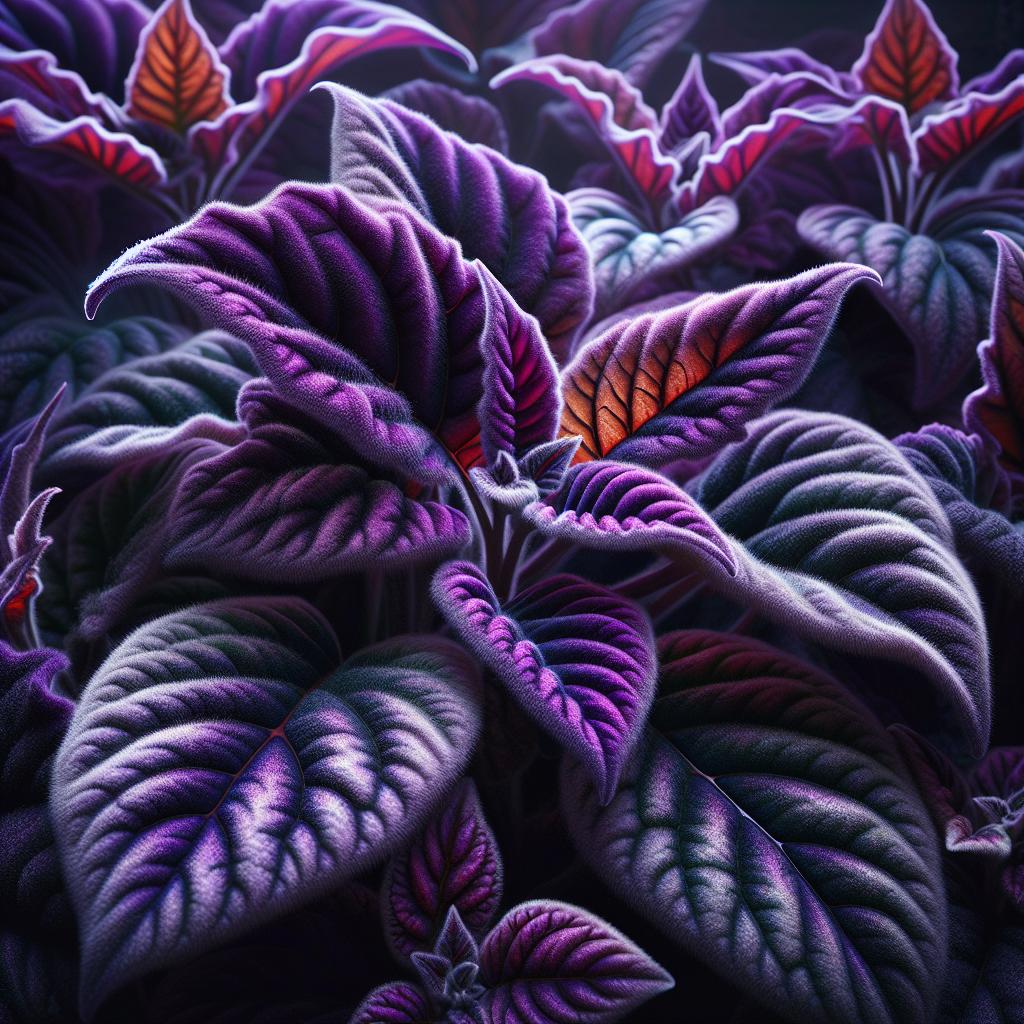
### Gynura aurantiaca (Purple Velvet Plant) #### Safety Information for Pets **Toxicity Level**: **Non-toxic** Gynura aurantiaca, commonly known as the Purple Velvet Plant, is considered non-toxic to pets, including cats and dogs. However, as with any plant, ingestion of large quantities can cause mild gastrointestinal upset in pets. #### General Description **Scientific Name**: Gynura aurantiaca **Common Names**: - Ginura - Sammetsblad - Veludo-roxo - Purple velvetplant - Planta-veludo - Purple-passionvine - Royal velvetplant - Velvet Plant - Paixão-roxa - Purple velvet plant - Velvetplant - Velvetplant - Purpur-Samtpflanze **Family**: Asteraceae **Plant Type**: Herb #### Appearance **Foliage**: The Purple Velvet Plant is notable for its striking foliage. The leaves are ovate to lanceolate, with a velvety texture and a rich green color that is covered with fine purple hairs, giving the plant its characteristic purple hue. The leaves can grow up to 15cm (6 inches) long. **Stems**: The stems are similarly covered in purple hairs, giving an overall fuzzy appearance. They can grow upright or trail, making this plant versatile for both hanging baskets and standard pots. **Flowers**: The plant produces small, orange-yellow flowers. While the flowers are not particularly showy compared to the foliage, they can add a splash of color. However, some gardeners prefer to remove the flowers as they can emit an unpleasant odor. #### Growth and Care **Light**: - Prefers bright, indirect light. Too much direct sunlight can scorch the leaves, while insufficient light can cause the vibrant purple color to fade. **Watering**: - Keep the soil consistently moist but not waterlogged. Water when the top inch of soil feels dry to the touch. Avoid letting the plant sit in standing water to prevent root rot. **Soil**: - Requires well-draining soil. A standard potting mix with added perlite or sand to improve drainage works well. **Humidity**: - Thrives in higher humidity environments. Regular misting or using a humidity tray can help maintain the necessary moisture levels in the air. **Temperature**: - Prefers temperatures between 60-75°F (15-24°C). Protect the plant from cold drafts and temperatures below 50°F (10°C). **Fertilization**: - Feed with a balanced liquid fertilizer every 4-6 weeks during the growing season (spring and summer). Reduce feeding in fall and winter when the plant's growth slows. **Pruning and Maintenance**: - Regular pruning can help maintain the plant's shape and encourage bushier growth. Pinching back the tips of the stems promotes a fuller appearance. #### Propagation **Method**: - Gynura aurantiaca is easily propagated through stem cuttings. Cut a healthy stem just below a node and remove the lower leaves. Place the cutting in water or directly into moist potting soil. Roots should develop within a few weeks, after which the new plant can be potted up. #### Pests and Problems **Common Pests**: - Susceptible to common houseplant pests such as spider mites, aphids, and whiteflies. Regularly inspect the plant and treat infestations promptly with insecticidal soap or neem oil. **Common Problems**: - Overwatering can lead to root rot. - Insufficient light can cause leggy growth and loss of the vibrant purple coloration. - Low humidity can cause the leaf edges to brown. #### Benefits - **Aesthetic Appeal**: The unique, velvety purple foliage makes this plant a popular choice for adding a touch of color and texture to indoor plant collections. - **Air Purification**: Like many houseplants, the Purple Velvet Plant can help improve indoor air quality by absorbing pollutants. By providing the right care, Gynura aurantiaca can be a stunning and relatively easy-to-maintain addition to your indoor garden.
⚠️ Think your pet ate Gynura aurantiaca?
Get a personalized safety assessment now.
What To Do If Your Pet Ate Gynura aurantiaca
Stay calm and remove your pet from the source
Contact your veterinarian immediately
Call ASPCA Poison Control: (888) 426-4435
Be honest — you won't remember this article at 2am when your pet eats something.
Skip the Googling next time. Scan Gynura aurantiaca (or anything else) in ToxiPets and get an instant answer personalized to your pet's weight and breed.