
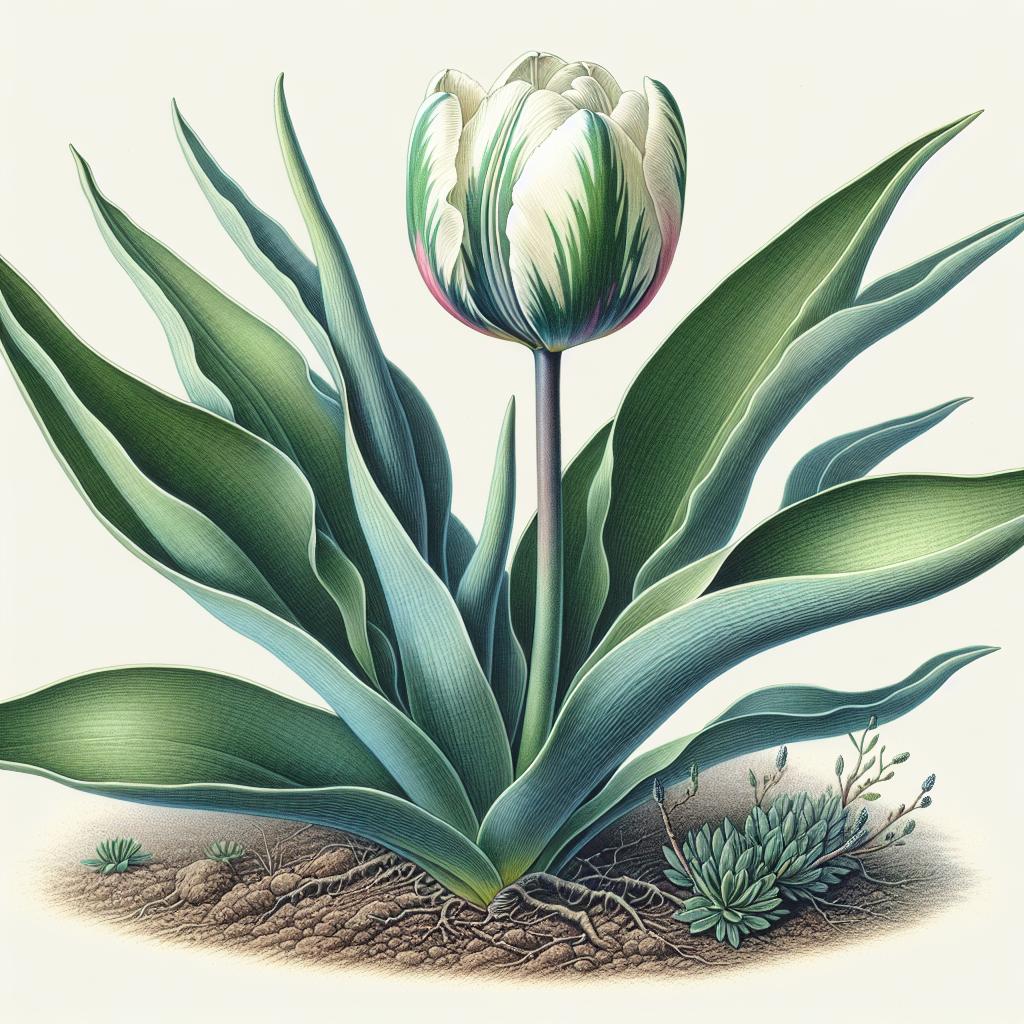
About Tulipa gesneriana
### Tulipa gesneriana (Didier's Tulip) #### Safety Information for Pets: - **Toxicity**: Tulipa gesneriana is toxic to pets, including cats, dogs, and horses. The toxins are primarily concentrated in the bulbs, but the leaves and flowers also contain harmful substances. - **Symptoms of Ingestion**: If ingested, pets may exhibit vomiting, diarrhea, drooling, and lethargy. Severe cases can lead to more serious symptoms like increased heart rate and difficulty breathing. - **Precautions**: It is advisable to plant tulips in areas that pets cannot access. If you suspect your pet has ingested any part of a tulip, contact a veterinarian immediately. #### General Plant Information: - **Scientific Name**: Tulipa gesneriana - **Common Names**: Didier's tulip, Garden tulip - **Family**: Liliaceae (Lily family) - **Plant Type**: Perennial flowering plant #### Morphological Characteristics: - **Height**: Typically grows between 10 to 24 inches (25 to 60 cm) tall. - **Leaves**: The leaves are broad, lance-shaped, and have a green to greyish-green color. They are usually 3-5 in number and grow from the base of the plant. - **Flowers**: The flowers are cup-shaped and can come in various colors, including red, yellow, pink, white, and multicolored varieties. Each stem usually bears a single flower. - **Bloom Time**: Tulips generally bloom in spring, typically from March to May, depending on the climate. - **Bulbs**: The plant grows from bulbs, which are rounded and covered with a brown, papery tunic. #### Cultivation: - **Soil Requirements**: Prefers well-drained, fertile soil with a neutral to slightly acidic pH. - **Sunlight**: Requires full sun to partial shade for optimal growth and flowering. - **Watering**: Moderate watering is needed; soil should be kept moist but not waterlogged. Overwatering can lead to bulb rot. - **Planting Depth**: Bulbs should be planted at a depth of about 6-8 inches (15-20 cm) and spaced 4-6 inches (10-15 cm) apart. - **Fertilization**: A balanced fertilizer can be applied during the growing season to promote healthy growth and blooming. #### Additional Information: - **Origin**: Native to Central Asia, particularly the Tien Shan and Pamir Alai Mountains. - **Uses**: Widely cultivated as ornamental plants in gardens and parks. Tulips are also popular as cut flowers for floral arrangements. - **Propagation**: Primarily propagated through bulbs, but can also be propagated through seeds, although this is less common and takes longer to produce flowering plants. - **Pests and Diseases**: Susceptible to pests such as aphids, slugs, and snails. Common diseases include tulip fire (Botrytis tulipae), bulb rot, and viral infections like tulip breaking virus. #### Cultural Significance: - **Historical Context**: Tulips have a rich history and were highly prized during the Ottoman Empire and in 17th-century Holland during the period known as "Tulip Mania," a time when tulip bulbs were traded for extraordinarily high prices. - **Symbolism**: Often associated with love and rebirth, tulips are a symbol of spring and new beginnings. By following proper care guidelines and taking necessary precautions to protect pets, gardeners can enjoy the beauty and elegance of Tulipa gesneriana in their landscapes.
Be honest — you won't remember this article at 2am when your pet eats something.
Skip the Googling next time. Scan Tulipa gesneriana (or anything else) in ToxiPets and get an instant answer personalized to your pet's weight and breed.