
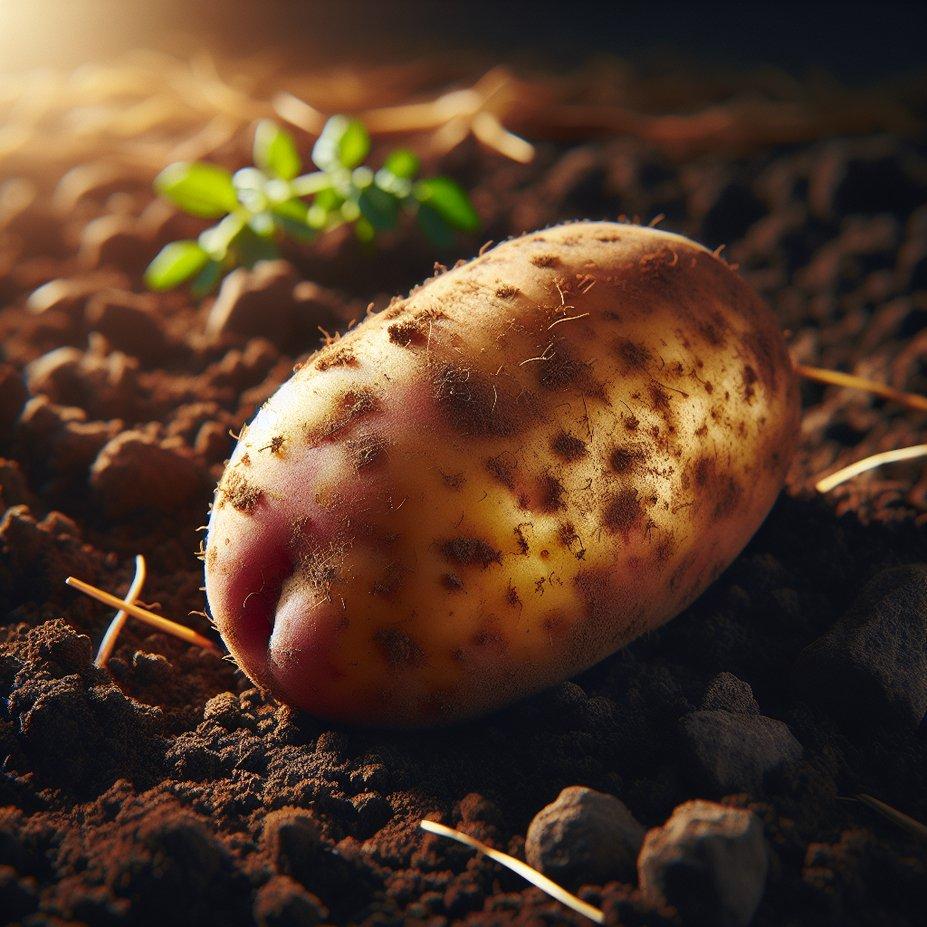
Is POTATO Toxic to Dogs and Cats?
Caution - Use Care
Generally safe in small amounts, but harmful in excess. Monitor your pet and consult your vet if concerned.
The potato (Solanum tuberosum) is a starchy tuber of the plant from the nightshade family (Solanaceae). It is one of the most widely grown and consumed vegetables worldwide. Potatoes are rich in carbohydrates, vitamins (such as vitamin C and B6), and minerals (such as potassium and manganese). ### Uses in Pet Products 1. **Treats**: - **Dog Treats**: Potatoes, especially sweet potatoes, are commonly used in dog treats. They are baked or dehydrated to create chewable snacks. They provide essential vitamins and minerals and are often used as a low-fat, high-fiber alternative. - **Cat Treats**: Less common than in dog treats but still used occasionally. They serve as fillers or bases for treats combined with other ingredients like chicken or fish. 2. **Food**: - **Dog Food**: Potatoes serve as a source of carbohydrates and provide energy. They are often included in both dry and wet dog foods and are sometimes used in grain-free formulations as a non-grain carbohydrate source. - **Cat Food**: While cats are obligate carnivores and require animal-based proteins, potatoes might be found in small amounts as fillers or to add structure and texture to dry cat foods. 3. **Healthcare**: - **Digestive Health**: Potatoes (particularly sweet potatoes) are high in fiber, which can aid in digestive health and help with issues like constipation and diarrhea in both cats and dogs. - **Sensitive Stomachs**: Some pet foods aimed at animals with food sensitivities or allergies use potatoes because they are less likely to cause an allergic reaction compared to grains. 4. **Vitamins & Supplements**: - Potatoes themselves are not typically used as the main source of vitamins and supplements, but their nutrients (like vitamin C and B6) can contribute to overall health benefits when included in a balanced diet. ### Benefits 1. **Nutritional Value**: - **Carbohydrates**: Provide a good source of energy. - **Fiber**: Aids in digestion and promotes gut health. - **Vitamins**: Significant amounts of vitamin C and B6 support the immune system and metabolic functions. - **Minerals**: Potassium helps with nerve and muscle function. 2. **Low Allergenic Potential**: Compared to some grains and animal proteins, potatoes are less likely to cause allergic reactions, making them suitable for sensitive pets. ### Toxicity and Concerns 1. **Solanine**: Raw potatoes, especially green skins, and sprouts contain solanine, a glycoalkaloid toxin. This can cause gastrointestinal distress, including vomiting and diarrhea, and potentially more severe symptoms like confusion, weakness, and nervous system issues in both cats and dogs. - Cooked potatoes have significantly reduced levels of solanine and are generally safe for pets. 2. **Overconsumption**: Too much potato can lead to weight gain due to its high carbohydrate content. It should be fed in moderation, especially for pets that are overweight or diabetic. 3. **Digestive Issues**: For cats, which are obligate carnivores, a diet too high in plant-based materials like potatoes can lead to digestive problems and potential nutrient deficiencies. It is important that their primary diet consists of animal proteins. ### Conclusion Potatoes can be a beneficial component in pet treats and food, offering energy, fiber, and essential nutrients. However, it’s crucial to ensure they are properly prepared (cooked and free of toxic parts) and included in moderation, particularly in cat diets. Always consult with a veterinarian before making significant changes to your pet's diet.
⚠️ Think your pet ate POTATO?
Get a personalized safety assessment now.
What To Do If Your Pet Ate POTATO
Stay calm and remove your pet from the source
Contact your veterinarian immediately
Call ASPCA Poison Control: (888) 426-4435
Be honest — you won't remember this article at 2am when your pet eats something.
Skip the Googling next time. Scan POTATO (or anything else) in ToxiPets and get an instant answer personalized to your pet's weight and breed.
Sources: CHIVELAB