
Is Hoya carnosa Toxic to Dogs and Cats?
Toxic - Danger
This can be dangerous at any amount. Contact your veterinarian or poison control immediately if your pet is exposed.
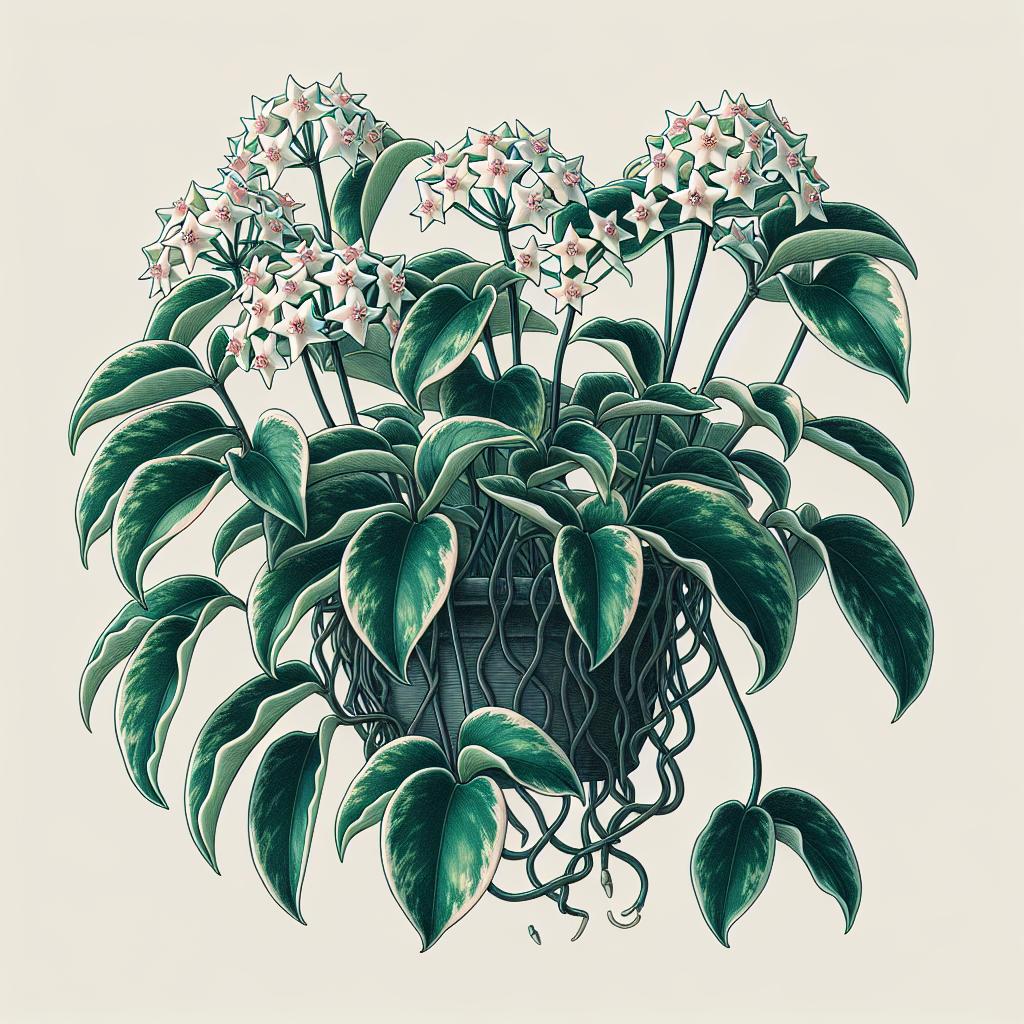
### Hoya carnosa #### Safety Information for Pets: - **Toxicity**: Hoya carnosa is generally considered non-toxic to pets, including cats and dogs. However, ingestion of the plant material could cause mild gastrointestinal upset such as vomiting or diarrhea in some animals. As with any plant, it is best to prevent pets from chewing on it to avoid potential issues. #### General Description: - **Scientific Name**: Hoya carnosa - **Common Names**: Porcelainflower, Waxflower, 호야, Flor-de-Cera, Porslinsblomma, Honeyplant, Waxplant, Dessous de la Mariée, Hoya, Porzellanblume, Wax Plant, Mata de Cera, Qiu Lan #### Taxonomy: - **Family**: Asclepiadaceae (also known as Apocynaceae in some classifications) - **Plant Type**: Vine #### Origin and Habitat: - **Native Range**: Hoya carnosa is native to Eastern Asia and Australia. It thrives in tropical and subtropical climates. - **Habitat**: It typically grows in forested regions where it can climb on trees or other structures. #### Description: - **Leaves**: The leaves of Hoya carnosa are thick, succulent, and waxy, which helps the plant retain water. They are typically oval to lance-shaped, dark green, and may have a slight sheen. Some varieties have variegated leaves with creamy white or yellow markings. - **Stems**: The stems are long, vining, and flexible, enabling the plant to climb or trail. - **Flowers**: Hoya carnosa is renowned for its clusters of star-shaped flowers, which are often pink or white with a red center. These flowers are waxy and porcelain-like in appearance, which gives rise to common names such as "Porcelainflower" and "Waxflower." The flowers are also fragrant, especially in the evening. #### Growth and Care: - **Light**: Prefers bright, indirect light. It can tolerate some direct sunlight but should be protected from intense midday sun to prevent leaf scorching. - **Watering**: Water moderately, allowing the soil to dry out between waterings. Overwatering can lead to root rot. - **Soil**: Requires well-draining soil, preferably a mix designed for orchids or succulents, which can help prevent waterlogging. - **Humidity**: Thrives in high humidity but can tolerate average household humidity levels. - **Temperature**: Prefers temperatures between 60°F to 80°F (15°C to 27°C). It is not frost-tolerant and should be protected from cold drafts. - **Fertilization**: Feed with a balanced, water-soluble fertilizer during the growing season (spring and summer) every 4-6 weeks. Reduce feeding in the fall and winter when the plant's growth slows down. #### Propagation: - **Methods**: Hoya carnosa can be propagated through stem cuttings. Cut a section of the vine just below a node, remove the lower leaves, and place the cutting in water or a well-draining soil mix until roots develop. - **Timing**: Best propagated in the spring or early summer when the plant is actively growing. #### Special Considerations: - **Support**: As a vining plant, Hoya carnosa benefits from a support structure such as a trellis, hoop, or hanging basket. - **Flowering**: The plant may take several years to bloom, especially if grown from seed or cuttings. Consistent care and proper conditions will encourage flowering. - **Pests and Diseases**: Generally pest-resistant but can occasionally attract mealybugs, aphids, or spider mites. Regular inspection and prompt treatment with insecticidal soap or neem oil can help manage these pests. #### Uses: - **Ornamental**: Hoya carnosa is popular as a houseplant due to its attractive foliage and fragrant flowers. It is commonly grown in hanging baskets or trained to climb on trellises. - **Air Purification**: Like many houseplants, Hoya carnosa can help improve indoor air quality by filtering out pollutants. By providing the right care and conditions, Hoya carnosa can be a long-lasting and rewarding addition to your plant collection, enhancing your space with its unique beauty and fragrance.
⚠️ Think your pet ate Hoya carnosa?
Get a personalized safety assessment now.
What To Do If Your Pet Ate Hoya carnosa
Stay calm and remove your pet from the source
Contact your veterinarian immediately
Call ASPCA Poison Control: (888) 426-4435
Be honest — you won't remember this article at 2am when your pet eats something.
Skip the Googling next time. Scan Hoya carnosa (or anything else) in ToxiPets and get an instant answer personalized to your pet's weight and breed.