
Is Dyschoriste linearis Toxic to Dogs and Cats?
Safe
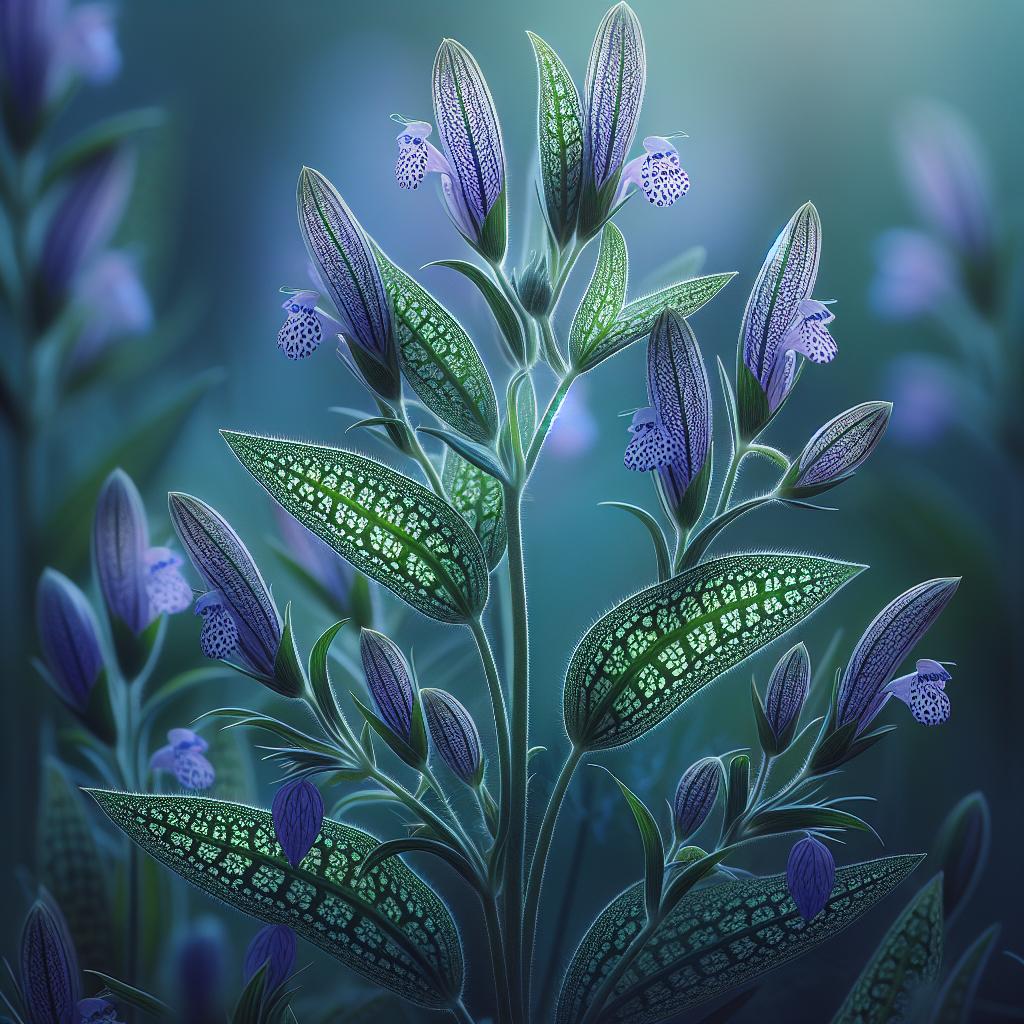
### Dyschoriste linearis (Polkadots) #### Safety Information for Pets - **Toxicity**: There is limited information regarding the specific toxicity of Dyschoriste linearis to pets such as dogs, cats, and other common household animals. As a precaution, it is advisable to prevent pets from ingesting the plant until more comprehensive studies confirm its safety. If ingestion occurs and adverse symptoms are observed, such as vomiting, diarrhea, or lethargy, seek veterinary assistance immediately. #### General Description - **Scientific Name**: Dyschoriste linearis - **Common Names**: Polkadots, narrowleaf dyschoriste, polkadots - **Family**: Acanthaceae - **Plant Type**: Herbaceous perennial #### Morphological Characteristics - **Leaves**: The leaves of Dyschoriste linearis are narrow and linear, typically ranging from 1 to 3 inches in length. They are arranged oppositely on the stems and have a simple, smooth margin. - **Flowers**: The plant is known for its attractive, tubular flowers which are usually violet to purple with darker spots or polka dots, hence the common name "polkadots." The flowers grow in clusters and are bilaterally symmetrical, typical of the Acanthaceae family. - **Stems**: The stems are slender and may be erect or slightly sprawling, often forming clumps. - **Height**: Dyschoriste linearis generally grows to a height of 1 to 2 feet. #### Habitat and Distribution - **Natural Habitat**: This species is typically found in sandy soils, open woodlands, and prairies. It prefers well-drained soil and can tolerate drought conditions. - **Geographic Distribution**: Dyschoriste linearis is native to the southeastern United States, particularly in states like Florida, Georgia, and Alabama. #### Cultivation and Care - **Light Requirements**: Full sun to partial shade. The plant performs best in conditions where it receives at least 6 hours of direct sunlight daily. - **Soil Requirements**: Prefers well-drained, sandy or loamy soils. It is not highly particular about soil pH but thrives in slightly acidic to neutral conditions. - **Watering**: Once established, Dyschoriste linearis is relatively drought-tolerant. Water regularly during the first growing season to establish a deep, extensive root system. Afterward, water sparingly, allowing the soil to dry out between watering sessions. - **Propagation**: Can be propagated by seed or by division. Seeds should be sown in spring, while division is best done in early spring or late fall. #### Ecological Importance - **Pollinators**: The flowers of Dyschoriste linearis attract a variety of pollinators, including bees and butterflies, making it a beneficial plant for maintaining local biodiversity. - **Wildlife**: It can provide habitat and food for various small insects and animals. #### Additional Notes - **Landscape Use**: Dyschoriste linearis is often used in native plant gardens, rock gardens, and naturalized areas due to its attractive flowers and ease of care. It can also be used as a ground cover in areas with sandy soil. - **Maintenance**: Minimal maintenance is required once established. Occasional pruning may be needed to maintain a tidy appearance and encourage fuller growth. #### Conclusion Dyschoriste linearis, or polkadots, is a hardy, attractive herbaceous plant suited for various landscapes, particularly in its native range. While it offers ecological benefits, its safety for pets remains uncertain, so caution is advised.
⚠️ Think your pet ate Dyschoriste linearis?
Get a personalized safety assessment now.
What To Do If Your Pet Ate Dyschoriste linearis
Stay calm and remove your pet from the source
Contact your veterinarian immediately
Call ASPCA Poison Control: (888) 426-4435
Be honest — you won't remember this article at 2am when your pet eats something.
Skip the Googling next time. Scan Dyschoriste linearis (or anything else) in ToxiPets and get an instant answer personalized to your pet's weight and breed.