
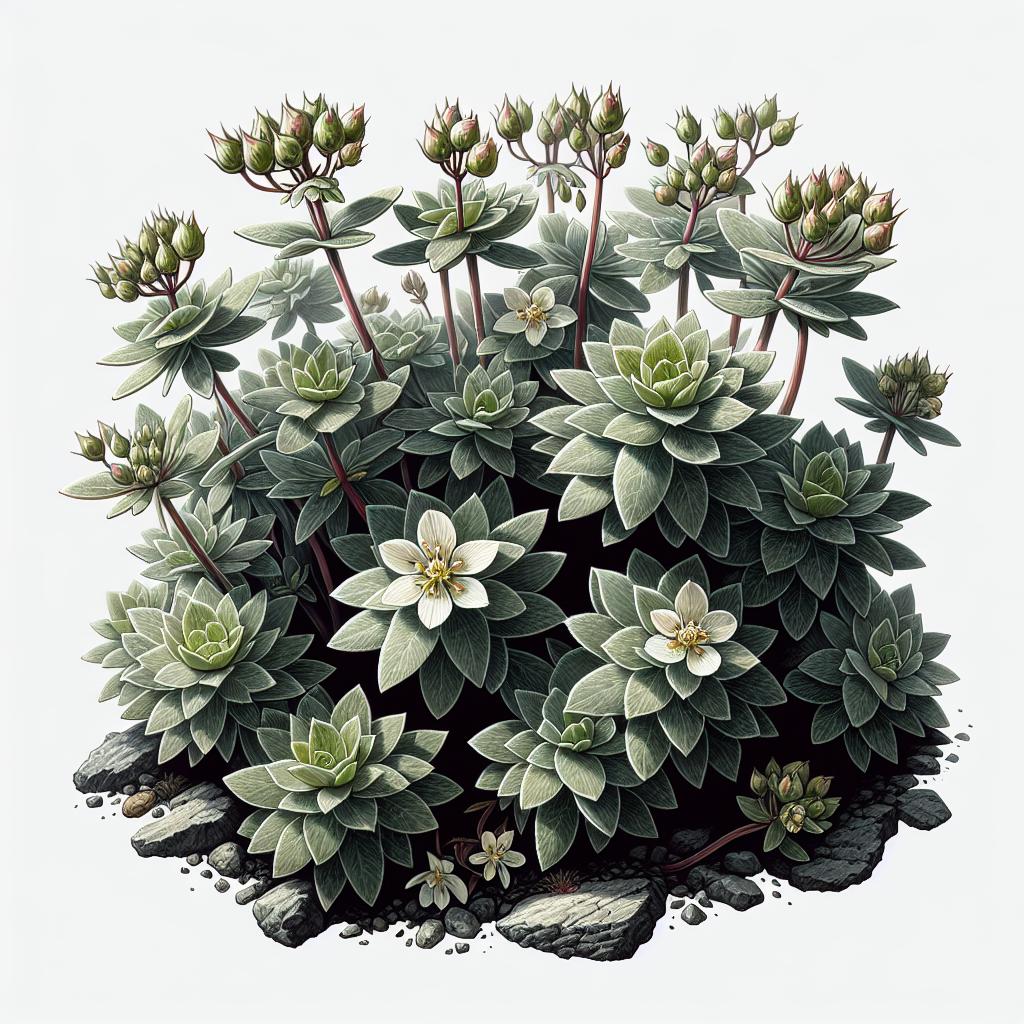
Is Androsace septentrionalis Toxic to Dogs and Cats?
Safe
### Safety Information for Pets **Androsace septentrionalis**, commonly known as northern rockjasmine and other various names, belongs to the Primulaceae family. There is limited specific information regarding its toxicity to pets such as dogs, cats, and other domestic animals. However, as a general rule, it is advisable to prevent pets from ingesting any wild or unfamiliar plants due to the potential risk of adverse reactions. If ingestion is suspected, monitoring for symptoms like vomiting, diarrhea, or changes in behavior is recommended, and consulting a veterinarian if any adverse effects are observed. ### Detailed Plant Description **Scientific Name**: Androsace septentrionalis **Common Names**: Northern rockjasmine, Androsace du Nord, Androsace septentrionale, ketonukki, Nördlicher Mannsschild, Nordisk fjeldarve, grusviva, Androsace septentrionale, Fjeldave, Pygmyflower rockjasmine, Androsace nordica, Nordischer Mannsschild, Northern rockjasmine, bei dian di mei, Northern Rockjasmine. **Family**: Primulaceae **Plant Type**: Herbaceous #### Habitat and Distribution Androsace septentrionalis is a species commonly found in a variety of northern and alpine regions, including parts of North America, Europe, and Asia. It typically grows in rocky, well-drained soils and is often found in mountainous areas, grasslands, and sometimes in disturbed sites like roadsides. #### Morphology - **Height**: This plant is relatively small, typically ranging from 5 to 20 cm in height. - **Leaves**: The basal leaves of Androsace septentrionalis form a rosette at the base. They are generally small, lanceolate to ovate, and have a slightly hairy texture. - **Stem**: The flowering stems are slender and erect, arising from the basal rosette. - **Flowers**: The flowers are small, usually white or pink, and form in loose clusters or umbels at the end of the stems. Each flower has five petals and is typically less than 1 cm in diameter. - **Fruit**: The fruit is a small capsule that contains numerous tiny seeds. #### Growth and Care - **Sunlight**: Prefers full sun to partial shade. - **Soil**: Thrives in well-drained, sandy, or rocky soils. It can tolerate poor soil conditions. - **Watering**: Requires moderate watering; avoid waterlogged conditions. - **Propagation**: Can be propagated through seeds. Seeds should be sown in a well-drained substrate and kept moist until germination. #### Ecological Importance This plant can be an important part of the alpine and subalpine ecosystems. It provides nectar and pollen for various insects, including bees and butterflies, which are crucial for pollination. #### Uses While Androsace septentrionalis is not commonly used in traditional medicine or culinary applications, it is appreciated in rock gardens and alpine plant collections for its delicate flowers and hardy nature. ### Summary Androsace septentrionalis is a small, hardy herbaceous plant well-suited to rocky and alpine environments. Its delicate white or pink flowers make it an attractive addition to rock gardens. While there is no specific information on its toxicity to pets, general caution is advised to prevent ingestion. This plant is valued more for its ecological role and ornamental appeal rather than for any significant medicinal or culinary uses.
⚠️ Think your pet ate Androsace septentrionalis?
Get a personalized safety assessment now.
What To Do If Your Pet Ate Androsace septentrionalis
Stay calm and remove your pet from the source
Contact your veterinarian immediately
Call ASPCA Poison Control: (888) 426-4435
Be honest — you won't remember this article at 2am when your pet eats something.
Skip the Googling next time. Scan Androsace septentrionalis (or anything else) in ToxiPets and get an instant answer personalized to your pet's weight and breed.