
Is Gamochaeta pensylvanica Toxic to Dogs and Cats?
Safe
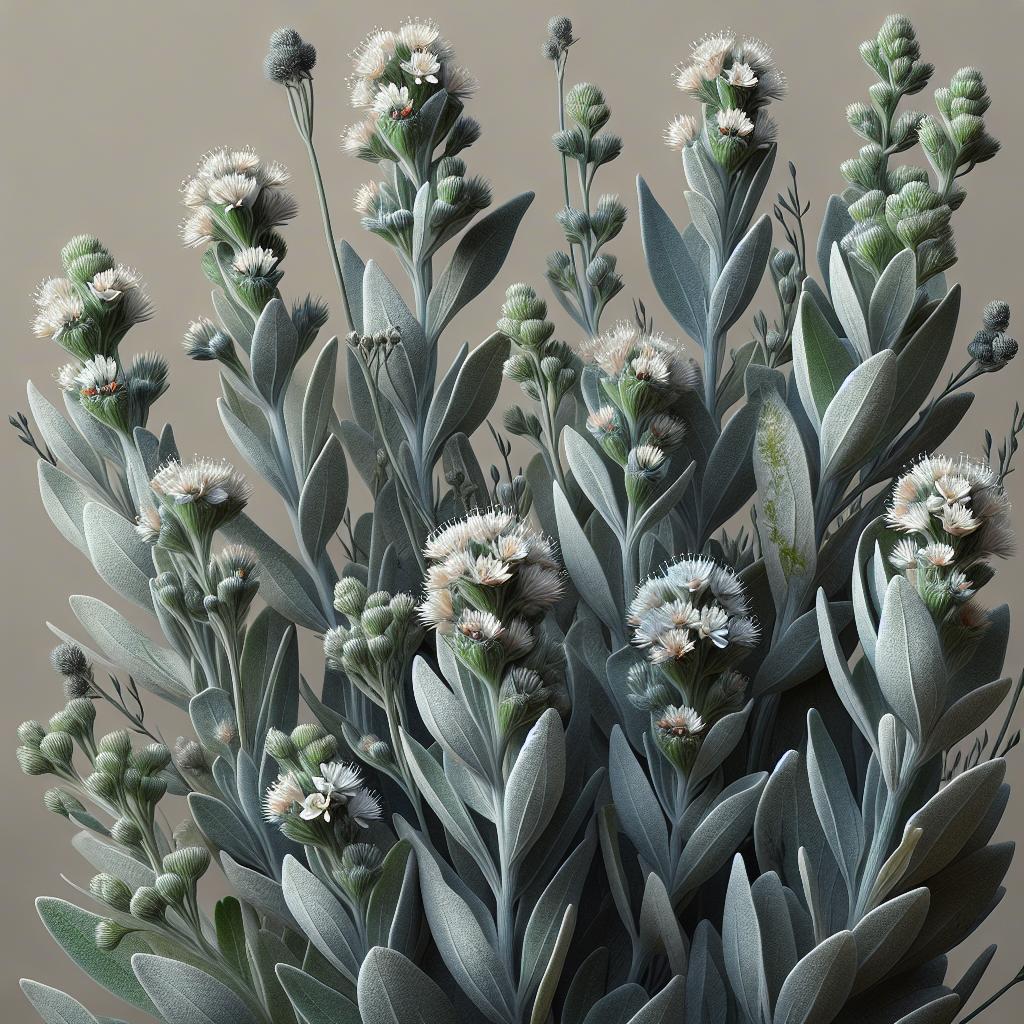
### Safety Information for Pets **Gamochaeta pensylvanica**, commonly known as Pennsylvania cudweed and other names, belongs to the Asteraceae family. There is limited specific information about its toxicity to pets such as cats, dogs, and other common household animals. To err on the side of caution, it would be prudent to keep pets away from this plant until more detailed toxicological data is available. ### Detailed Plant Description #### **Scientific Name**: Gamochaeta pensylvanica #### **Common Names**: - Pennsylvanisches Scheinruhrkraut - Lurvegråurt - Lavdan pensylvani - Borriza americana - Pennsylvania everlasting - Pennsylvaanse droogbloem - Spatelnoppa - Canapicchia pensilvanica - לבדן פנסילבני - Pennsylvania cudweed - Gamochète de Pensylvanie - Cotonnière de Pensylvanie - Pennsylvania Everlasting #### **Family**: Asteraceae #### **Plant Type**: Herb ### Morphological Characteristics - **Height**: This herb typically grows to a height ranging between 10 to 50 centimeters. - **Leaves**: The leaves are lanceolate to oblanceolate, meaning they have a narrow, elongated shape that tapers to a point at the base. They exhibit a grayish-green color with a woolly, almost cottony texture on the underside, which is a characteristic trait of cudweeds. - **Stems**: The stems are erect and can be simple or slightly branched. They are usually covered with fine, woolly hairs, contributing to the plant's overall grayish appearance. - **Flowers**: The plant produces small, inconspicuous flower heads that are typically clustered together in dense terminal or axillary spikes. The individual florets are usually yellowish to brownish in color. - **Fruits**: The fruits are small achenes, equipped with a pappus that aids in wind dispersal. ### Habitat and Distribution Gamochaeta pensylvanica is native to North America and is commonly found in a variety of habitats, including: - Grasslands - Roadsides - Disturbed areas - Fields - Open woodlands This plant is quite adaptable and can thrive in both nutrient-rich and poor soils, often favoring sunny locations. ### Growth Conditions - **Sunlight**: Prefers full sun to partial shade. - **Soil**: Can grow in a range of soil types, from sandy to clayey, though it prefers well-draining soil. - **Watering**: Requires moderate watering but is quite drought-tolerant once established. ### Ecological Importance Gamochaeta pensylvanica plays a role in its ecosystem: - **Pollinators**: It provides nectar and pollen for various insects, including bees and butterflies. - **Soil Health**: As a hardy plant, it helps in preventing soil erosion and can improve soil structure through its root system. ### Uses - **Traditional Medicine**: In certain cultures, Gamochaeta pensylvanica has been used for its potential medicinal properties, such as treating wounds and inflammations. However, scientific validation of these uses is limited. - **Ornamental**: Sometimes used in dried flower arrangements due to its everlasting quality. ### Conservation Status - **Invasive Potential**: While Gamochaeta pensylvanica is not considered highly invasive, it can spread readily in disturbed areas. Monitoring and management may be necessary in regions where it is not native. ### Conclusion Gamochaeta pensylvanica, with its wide distribution and adaptability, is an interesting plant to study and observe. While generally not harmful, it is always wise to monitor interactions with pets until more conclusive safety data is available. This hardy herb contributes to the ecological fabric of its habitat and has some traditional uses that highlight its longstanding relationship with humans.
⚠️ Think your pet ate Gamochaeta pensylvanica?
Get a personalized safety assessment now.
What To Do If Your Pet Ate Gamochaeta pensylvanica
Stay calm and remove your pet from the source
Contact your veterinarian immediately
Call ASPCA Poison Control: (888) 426-4435
Be honest — you won't remember this article at 2am when your pet eats something.
Skip the Googling next time. Scan Gamochaeta pensylvanica (or anything else) in ToxiPets and get an instant answer personalized to your pet's weight and breed.