
Is Platanus hybrida Toxic to Dogs and Cats?
Safe
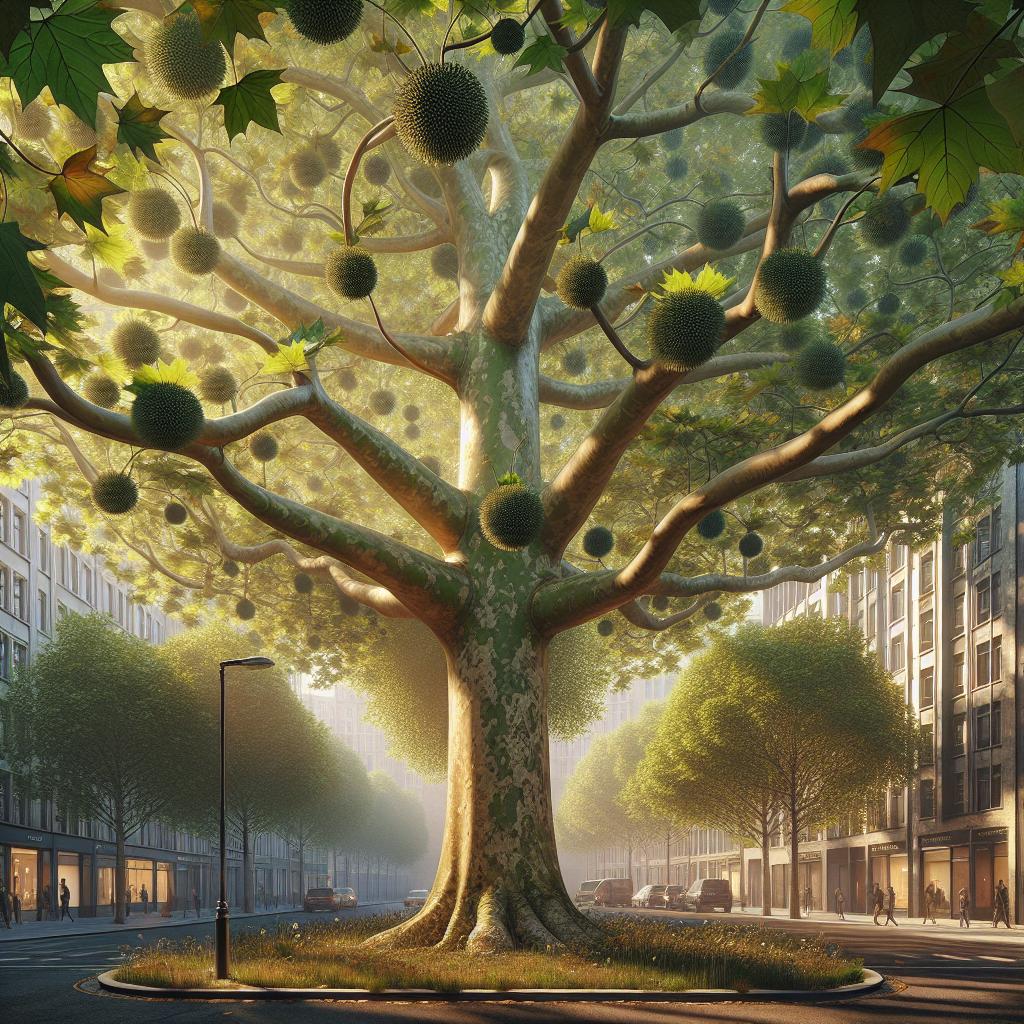
### Safety Information for Pets The London plane tree (**Platanus hybrida**) is generally considered non-toxic to pets, including dogs and cats. However, as with any plant, it is advisable to prevent pets from ingesting large quantities of any part of the tree, as this could potentially lead to gastrointestinal upset. ### General Description **Scientific Name**: Platanus hybrida **Common Names**: Platane d'Espagne, Ahornblättrige Platane, London planetree, London plane, Bastard-Platane, Platane, Gewöhnliche Platane, Platane commun, Almindelig platan, American Plane **Plant Type**: Tree ### Botanical Characteristics - **Family**: Platanaceae - **Origin**: The London plane tree is a hybrid species, resulting from a cross between the American sycamore (*Platanus occidentalis*) and the Oriental plane (*Platanus orientalis*). It is commonly found in urban environments around the world due to its resilience to pollution and various environmental stresses. - **Height**: Mature trees can reach heights of 20 to 30 meters (65 to 98 feet), though some specimens can grow even taller under optimal conditions. - **Canopy Spread**: The tree's canopy can spread broadly, often between 20 to 25 meters (65 to 82 feet), providing ample shade. - **Trunk and Bark**: The bark is one of the most distinctive features of the London plane tree. It exfoliates in irregular patches, revealing a smooth, pale green, cream, or white inner layer. This patchy appearance is often compared to camouflage patterns. - **Leaves**: The leaves are large, palmately lobed, and somewhat resemble those of maple trees. They typically have 3 to 5 lobes and can be up to 25 cm (10 inches) across. The leaves are deciduous, turning yellow or brown in the fall before dropping. - **Flowers**: The flowers are inconspicuous and appear in late spring. They are typically monoecious, with both male and female flowers present on the same tree. - **Fruit**: The tree produces spherical fruit clusters that are about 2.5 cm (1 inch) in diameter. These clusters hang from long stalks and can persist on the tree throughout the winter. The fruits are composed of many tiny, fuzzy seeds. ### Growing Conditions - **Sunlight**: Prefers full sun to partial shade. - **Soil**: Adaptable to a wide range of soil types, including clay, loam, and sandy soils. It tolerates both acidic and alkaline conditions but prefers well-drained soils. - **Watering**: Moderately drought-tolerant once established but grows best with regular watering, especially during dry periods. - **Hardiness Zones**: USDA zones 4 to 9. ### Uses and Benefits - **Urban Planting**: Widely used in urban settings due to its tolerance to pollution, compacted soil, and resistance to diseases and pests. It is often planted along streets and in parks. - **Shade**: Provides excellent shade due to its large canopy, making it a popular choice for public spaces. - **Aesthetic Value**: The unique exfoliating bark and large, attractive leaves add aesthetic value to landscapes. ### Care and Maintenance - **Pruning**: Requires regular pruning to maintain shape and remove any dead or diseased branches. Pruning is best done in late winter to early spring before new growth begins. - **Pest and Disease Control**: Generally resistant to many common tree pests and diseases, but can occasionally be affected by canker stain disease, anthracnose, and powdery mildew. Proper care and maintenance can mitigate these issues. - **Leaf Cleanup**: Due to its large leaves, seasonal leaf drop can create a significant amount of litter that may need to be managed, particularly in urban settings. ### Environmental Impact - **Pollution Tolerance**: Highly tolerant of air pollution, making it an excellent choice for urban environments. - **Biodiversity**: Provides habitat and food for various bird species and small mammals. - **Carbon Sequestration**: As a large tree, it contributes significantly to carbon sequestration, helping to mitigate the effects of climate change. ### Conclusion The London plane tree (**Platanus hybrida**) is a robust and versatile tree well-suited to urban environments. Its non-toxic nature makes it a relatively safe choice for areas where pets are present. With proper care and maintenance, it can provide numerous environmental and aesthetic benefits.
⚠️ Think your pet ate Platanus hybrida?
Get a personalized safety assessment now.
What To Do If Your Pet Ate Platanus hybrida
Stay calm and remove your pet from the source
Contact your veterinarian immediately
Call ASPCA Poison Control: (888) 426-4435
Be honest — you won't remember this article at 2am when your pet eats something.
Skip the Googling next time. Scan Platanus hybrida (or anything else) in ToxiPets and get an instant answer personalized to your pet's weight and breed.