
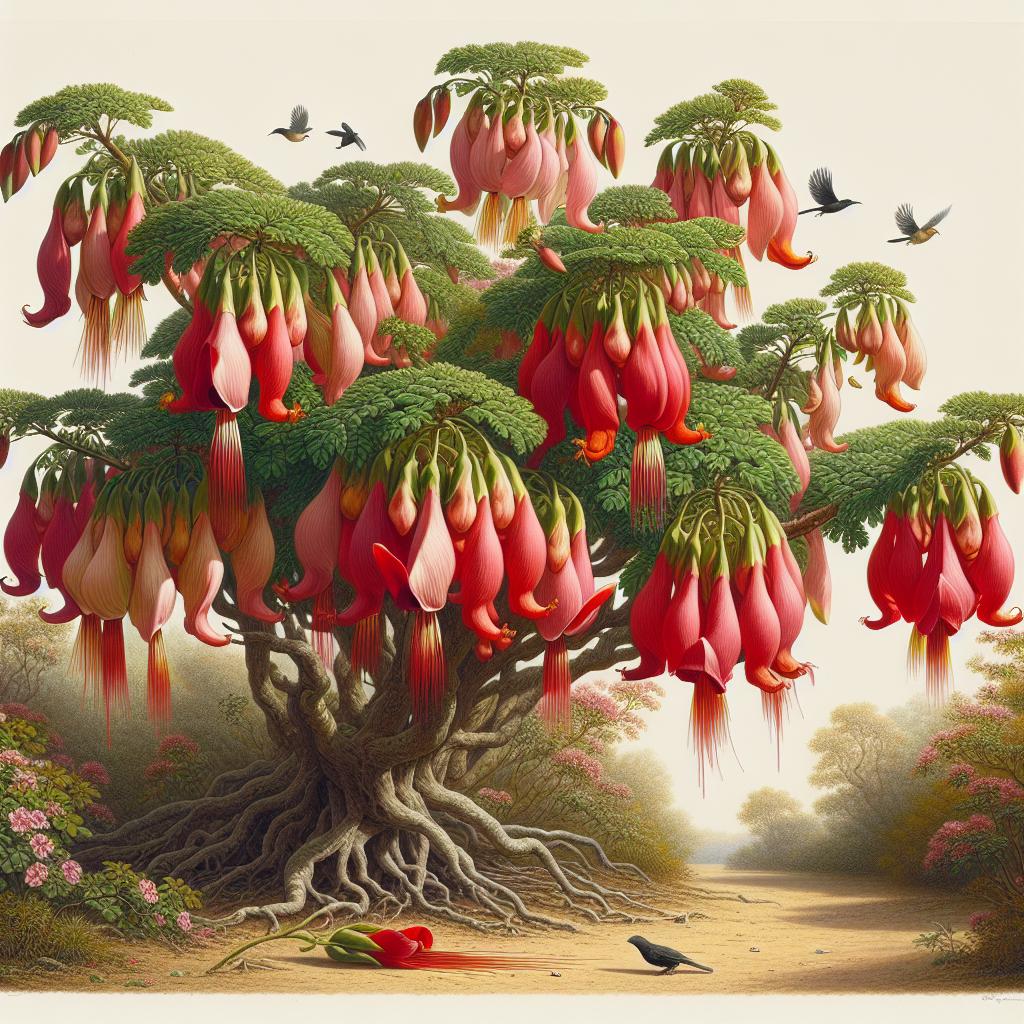
Is Clianthus puniceus Toxic to Dogs and Cats?
Caution - Use Care
Generally safe in small amounts, but harmful in excess. Monitor your pet and consult your vet if concerned.
### Safety Information for Pets Clianthus puniceus, commonly known by various names such as Kaka-beak and New Zealand Parrot's-bill, is generally considered non-toxic to pets. However, as with any plant, it's always prudent to monitor pets around it to prevent any potential adverse reactions. If ingestion occurs and your pet shows signs of distress, such as vomiting, diarrhea, or other unusual symptoms, contact your veterinarian immediately. ### Detailed Plant Information #### **Scientific Name**: Clianthus puniceus #### **Common Names**: - Kaka-beak - New Zealand Parrot's-bill - Lobster Claw - Parrot's-beak - Parrotbill - Kowhai Ngutu-kaka - Glory-pea #### **Family**: Fabaceae #### **Plant Type**: Shrub ### Description #### **Appearance**: - **Height & Spread**: Clianthus puniceus typically grows to a height of 2-3 meters (6-10 feet) and can spread to a similar width. - **Leaves**: The leaves are pinnate and consist of multiple small, oval leaflets. They are bright green and provide a lush backdrop to the striking flowers. - **Flowers**: The plant is renowned for its striking, curved, beak-like flowers which are typically a vibrant red, although occasionally pink or white variations can be found. These flowers are grouped in clusters and have a distinctive, exotic appearance. - **Blooming Season**: The blooming season primarily occurs in spring, but with the right conditions, it can extend into early summer. #### **Habitat**: - **Native Range**: Clianthus puniceus is endemic to New Zealand, where it naturally grows in coastal and lowland forest areas. - **Growth Conditions**: It prefers well-drained soil and can tolerate a range of soil types, from sandy to loamy. The plant thrives in full sun but can also handle partial shade. #### **Care Requirements**: - **Watering**: Regular watering is essential, especially during dry periods. However, be careful not to overwater, as the plant dislikes waterlogged conditions. - **Pruning**: Pruning is beneficial to maintain shape and encourage bushier growth. It's best done after the flowering period. - **Fertilization**: A balanced, all-purpose fertilizer applied in the growing season can support healthy growth and vibrant flowers. - **Temperature**: Clianthus puniceus prefers mild temperatures and can be sensitive to frost. In colder climates, it may require protection or to be grown in a pot that can be moved indoors. #### **Propagation**: - **Methods**: The plant can be propagated through seeds or cuttings. Seeds should be soaked in warm water before planting to encourage germination. Cuttings taken from semi-hardwood stems in late summer can root successfully if kept in a humid environment. ### Ecological and Cultural Importance - **Pollinators**: The distinctive flowers attract birds, especially nectar-feeding species such as hummingbirds in regions outside of New Zealand. - **Cultural Significance**: In New Zealand, the Kaka-beak has cultural significance and is valued both for its beauty and its connection to local wildlife. ### Conservation Status Clianthus puniceus is listed as critically endangered in the wild. Habitat loss and the introduction of browsing animals have significantly impacted its natural populations. Conservation efforts are ongoing to protect and restore this unique species. ### Uses - **Ornamental**: Due to its striking appearance, Clianthus puniceus is popular in gardens and landscapes as an ornamental plant. - **Ecological**: It can also be used in ecological restoration projects due to its native status in New Zealand. By providing the right care and conditions, Clianthus puniceus can be a stunning and rewarding addition to a garden, adding vibrant color and attracting wildlife.
⚠️ Think your pet ate Clianthus puniceus?
Get a personalized safety assessment now.
What To Do If Your Pet Ate Clianthus puniceus
Stay calm and remove your pet from the source
Contact your veterinarian immediately
Call ASPCA Poison Control: (888) 426-4435
Be honest — you won't remember this article at 2am when your pet eats something.
Skip the Googling next time. Scan Clianthus puniceus (or anything else) in ToxiPets and get an instant answer personalized to your pet's weight and breed.