
Is Portulaca oleracea Toxic to Dogs and Cats?
Toxic - Danger
This can be dangerous at any amount. Contact your veterinarian or poison control immediately if your pet is exposed.
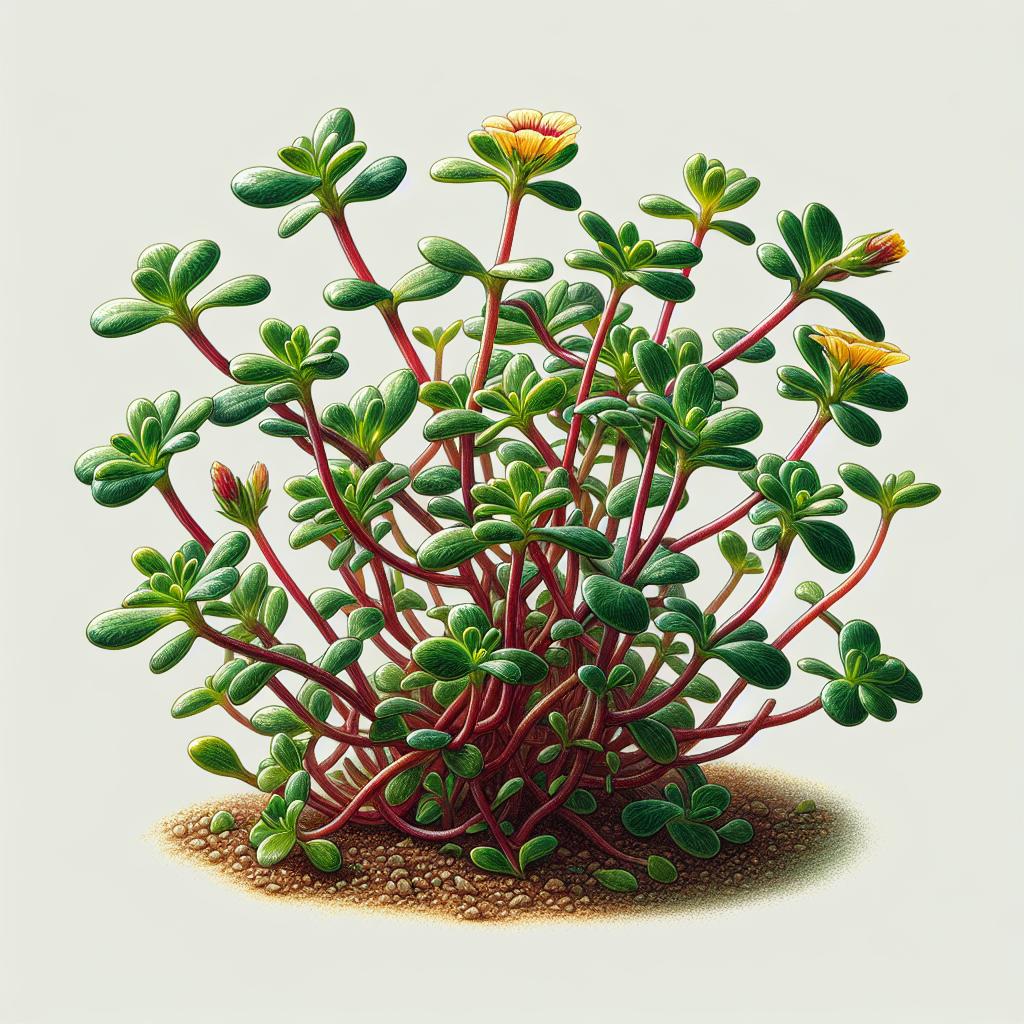
### Safety Information for Pets **Portulaca oleracea**, commonly known as Purslane and by various other names, is considered toxic to pets. Both cats and dogs can experience adverse effects if they ingest this plant. The toxicity is primarily due to the presence of soluble calcium oxalates and saponins. Symptoms of ingestion can include vomiting, diarrhea, decreased appetite, lethargy, and in severe cases, tremors and kidney failure. If you suspect your pet has ingested Purslane, it is crucial to contact your veterinarian immediately. ### Detailed Plant Information **Scientific Name**: Portulaca oleracea **Common Names**: Körnchen-Gemüse-Portulak, Little hogweed, Gemuese-Portulak, Little Hogweed, Garden Purslane, Common Purslane, Duckweed, Europäischer Portulak, Little-Hogweed, Akulikuli-Kula **Family**: Portulacaceae **Plant Type**: Herb #### Description Portulaca oleracea is an annual succulent herb that is widely distributed and known for its hardiness and ability to thrive in various environments. It has a prostrate growth habit, with stems that can spread out horizontally over the ground. - **Leaves**: The leaves are fleshy, smooth, and oval-shaped, ranging from 1 to 2 cm in length. They are typically green but can sometimes have a reddish hue. - **Stems**: The stems are thick, fleshy, and often reddish or purplish. They can grow up to 30 cm long and are capable of rooting at the nodes. - **Flowers**: Purslane produces small, yellow, five-petaled flowers that are about 6 mm wide. They usually open only in full sunlight and last only a day. - **Seeds**: The plant produces tiny black seeds, which are contained in small pods that burst open when mature. #### Habitat and Distribution Portulaca oleracea is found in a wide range of habitats, including gardens, lawns, roadsides, and disturbed areas. It is highly adaptable and can grow in poor, compacted soils, making it a common weed in many parts of the world. It thrives in full sun and can tolerate drought conditions due to its succulent nature. #### Uses Despite its status as a common weed, Purslane has several uses: - **Culinary**: Purslane is edible and has been consumed for centuries. It is high in omega-3 fatty acids, vitamins (A, C, and E), and minerals such as magnesium, calcium, and potassium. It has a slightly tangy or sour flavor and can be used in salads, soups, and stews, or even stir-fried. - **Medicinal**: Traditionally, Purslane has been used in various cultures for its medicinal properties. It has been used to treat conditions like inflammation, headaches, and gastrointestinal issues. Due to its high nutrient content, it is also considered beneficial for overall health. #### Cultivation Purslane is easy to grow and can be propagated by seed or cuttings. It prefers full sun and well-drained soil but can tolerate a range of conditions. It is often grown as a vegetable in some parts of the world, especially in Mediterranean and Asian cuisines. - **Propagation**: Seeds can be sown directly in the garden after the last frost date. They should be lightly covered with soil and kept moist until germination. - **Care**: Once established, Purslane requires minimal care. It is drought-tolerant and generally pest-free, though it can be susceptible to fungal diseases in overly wet conditions. ### Conclusion Portulaca oleracea, or Purslane, is a versatile and hardy herb with a range of culinary and medicinal uses. However, it is important to be aware of its toxicity to pets and take appropriate precautions to ensure their safety.
⚠️ Think your pet ate Portulaca oleracea?
Get a personalized safety assessment now.
What To Do If Your Pet Ate Portulaca oleracea
Stay calm and remove your pet from the source
Contact your veterinarian immediately
Call ASPCA Poison Control: (888) 426-4435
Be honest — you won't remember this article at 2am when your pet eats something.
Skip the Googling next time. Scan Portulaca oleracea (or anything else) in ToxiPets and get an instant answer personalized to your pet's weight and breed.