
Is Lantana Toxic to Dogs and Cats?
Toxic - Danger
This can be dangerous at any amount. Contact your veterinarian or poison control immediately if your pet is exposed.
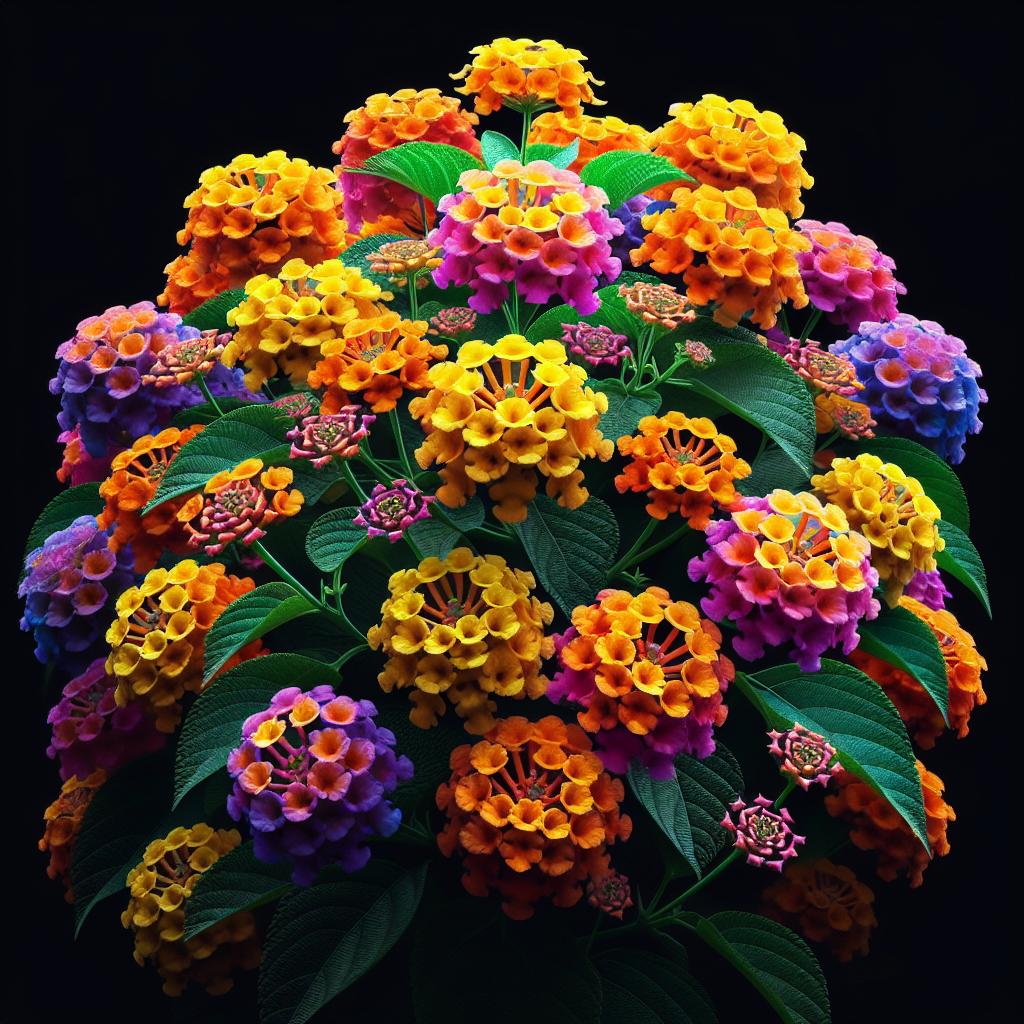
### Lantana (Lantana camara) #### Safety Information for Pets Lantana, also known by its scientific name Lantana camara, is toxic to pets, including cats, dogs, and horses. The primary toxic components are triterpenoid compounds (lantadene A and B), which can cause serious health issues if ingested. Symptoms of lantana poisoning in pets include: - Vomiting - Diarrhea - Weakness - Depression - Loss of appetite - Difficulty breathing - Liver failure (in severe cases) If you suspect that your pet has ingested lantana, it is crucial to seek veterinary care immediately. #### General Description ##### Family - **Verbenaceae** ##### Plant Type - **Shrub** ##### Common Names - Lantana - Shrub verbena - Yellow sage - Red sage ##### Origin and Distribution Lantana is native to the tropical regions of the Americas but has become naturalized in many parts of the world, including Africa, Australia, and Asia. It is often grown as an ornamental plant in gardens and landscapes. ##### Physical Characteristics - **Size**: Lantana typically grows to a height of 1 to 2 meters (3 to 6 feet), but some varieties can grow taller. - **Leaves**: The leaves are ovate, opposite, and have a rough texture with serrated edges. They emit a pungent smell when crushed. - **Flowers**: The plant produces small, tubular flowers that are grouped in dense clusters. The flowers come in a variety of colors, including yellow, orange, red, pink, and white. Often, multiple colors can be seen in a single cluster. - **Fruit**: The fruit is a small, green, berry-like drupe that turns black when ripe. ##### Growing Conditions - **Light**: Full sun to partial shade. - **Soil**: Prefers well-drained soil but is adaptable to various soil types. - **Water**: Drought-tolerant once established; however, it benefits from regular watering during prolonged dry periods. - **Temperature**: Thrives in warm climates and is frost-sensitive. It is generally hardy in USDA zones 8-11. ##### Maintenance - **Pruning**: Regular pruning helps maintain its shape and encourages bushier growth. Deadheading spent flowers can prolong blooming. - **Pests and Diseases**: Lantana is relatively pest-resistant but can be affected by spider mites, whiteflies, and aphids. Overwatering can lead to root rot. ##### Ecological Impact Lantana is considered invasive in many regions due to its aggressive growth habit and ability to outcompete native plants. It can form dense thickets that are difficult to eradicate and may disrupt local ecosystems. ##### Uses - **Ornamental**: Widely used in gardens for its colorful flowers and ability to attract butterflies and other pollinators. - **Erosion Control**: Can be used in areas prone to soil erosion due to its dense growth and extensive root system. ##### Caution While lantana is popular in gardens for its decorative appeal, its toxicity to pets and invasive potential should be carefully considered. Proper management and placement in the landscape can help mitigate these issues. Always handle with care and ensure that it is planted in areas away from pets and natural habitats where it might spread uncontrollably.
⚠️ Think your pet ate Lantana?
Get a personalized safety assessment now.
What To Do If Your Pet Ate Lantana
Stay calm and remove your pet from the source
Contact your veterinarian immediately
Call ASPCA Poison Control: (888) 426-4435
Be honest — you won't remember this article at 2am when your pet eats something.
Skip the Googling next time. Scan Lantana (or anything else) in ToxiPets and get an instant answer personalized to your pet's weight and breed.