
Is Astilbe japonica Toxic to Dogs and Cats?
Safe
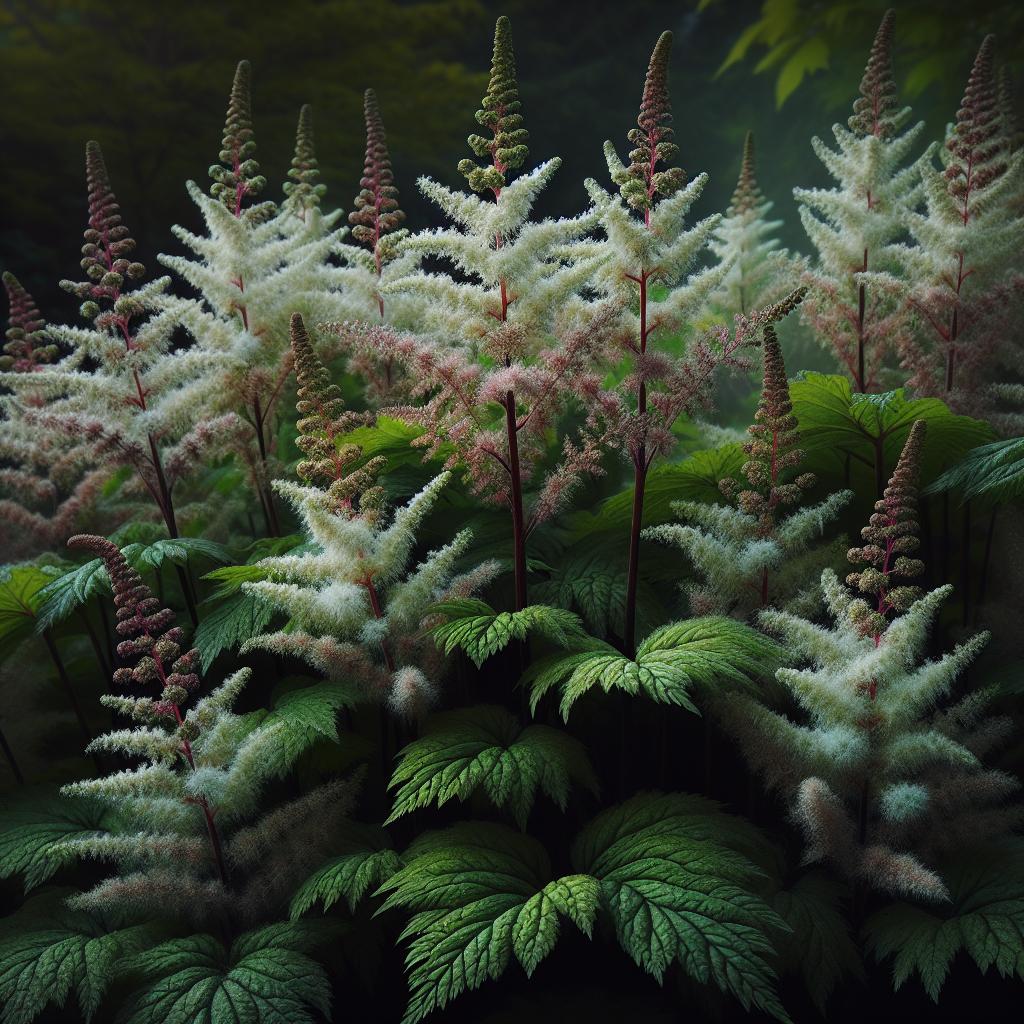
### Safety Information for Pets **Astilbe japonica** is generally considered non-toxic to pets, including cats and dogs. This makes it a relatively safe choice for households with pets. However, while it is non-toxic, it is always advisable to monitor pets to ensure they do not ingest large quantities of any plant, as this can sometimes lead to digestive upset. ### Detailed Description #### General Information - **Scientific Name**: Astilbe japonica - **Common Names**: Japanese astilbe, spiraea, Florist's Spiraea, False-Buck'S-Beard, japanspir, japanische Astilbe, Japansk astilbe, Astilbe du Japon, Astilbe japonaise, Japanische Prachtspiere - **Family**: Saxifragaceae - **Plant Type**: Flower #### Origin and Distribution Astilbe japonica is native to Japan, as its name suggests. It thrives in temperate climates and is widely cultivated in gardens around the world for its attractive foliage and feathery, plume-like flowers. #### Botanical Description - **Height**: Typically grows to a height of 18 to 24 inches (45 to 60 cm), though some varieties may grow taller. - **Foliage**: The leaves are compound, with each leaf comprising multiple leaflets. The foliage is usually dark green and can sometimes have a bronze tint. The leaves are serrated and finely divided, giving a fern-like appearance. - **Flowers**: The flowers are the standout feature of this plant. They form dense, feathery plumes that can be up to 6 inches (15 cm) long. The flowers come in various colors, including white, pink, red, and purple. They bloom in late spring to early summer and can last for several weeks. - **Roots**: Astilbe japonica has a fibrous root system that helps it absorb moisture efficiently. #### Growing Conditions - **Light**: Prefers partial shade to full shade. While it can tolerate some sunlight, too much direct sun can scorch the leaves and reduce flowering. - **Soil**: Requires rich, well-drained soil. It performs best in soil that is consistently moist, as it is not drought-tolerant. - **Water**: Needs regular watering to keep the soil moist, especially during dry periods. Mulching can help retain soil moisture and keep the roots cool. - **Temperature**: Hardy in USDA zones 4-9. It can tolerate cold winters and does well in cooler climates. - **Fertilization**: Benefits from the application of a balanced fertilizer in the spring to promote vigorous growth and abundant flowering. #### Maintenance - **Pruning**: Deadheading spent flowers can promote extended blooming. After the flowering season, the flower stalks can be cut back to the base. - **Division**: Astilbe japonica can become crowded over time. Dividing the plant every 3-4 years in the spring or fall can help maintain its vigor and promote healthy growth. - **Pests and Diseases**: Generally resistant to most pests and diseases. However, it can occasionally suffer from powdery mildew or root rot if the soil is too wet. #### Uses - **Ornamental**: Widely used in garden landscapes for its attractive foliage and striking flower plumes. It is often planted in shaded borders, woodland gardens, and along water features. - **Cut Flowers**: The flowers are also popular in floral arrangements due to their unique texture and long-lasting nature. ### Summary Astilbe japonica is a beautiful, shade-loving perennial that adds a splash of color and texture to gardens. It is relatively low-maintenance, provided it is grown in the right conditions, and it is safe for households with pets. Whether used as a landscape plant or for cut flowers, its feathery plumes are sure to make a statement.
⚠️ Think your pet ate Astilbe japonica?
Get a personalized safety assessment now.
What To Do If Your Pet Ate Astilbe japonica
Stay calm and remove your pet from the source
Contact your veterinarian immediately
Call ASPCA Poison Control: (888) 426-4435
Be honest — you won't remember this article at 2am when your pet eats something.
Skip the Googling next time. Scan Astilbe japonica (or anything else) in ToxiPets and get an instant answer personalized to your pet's weight and breed.