
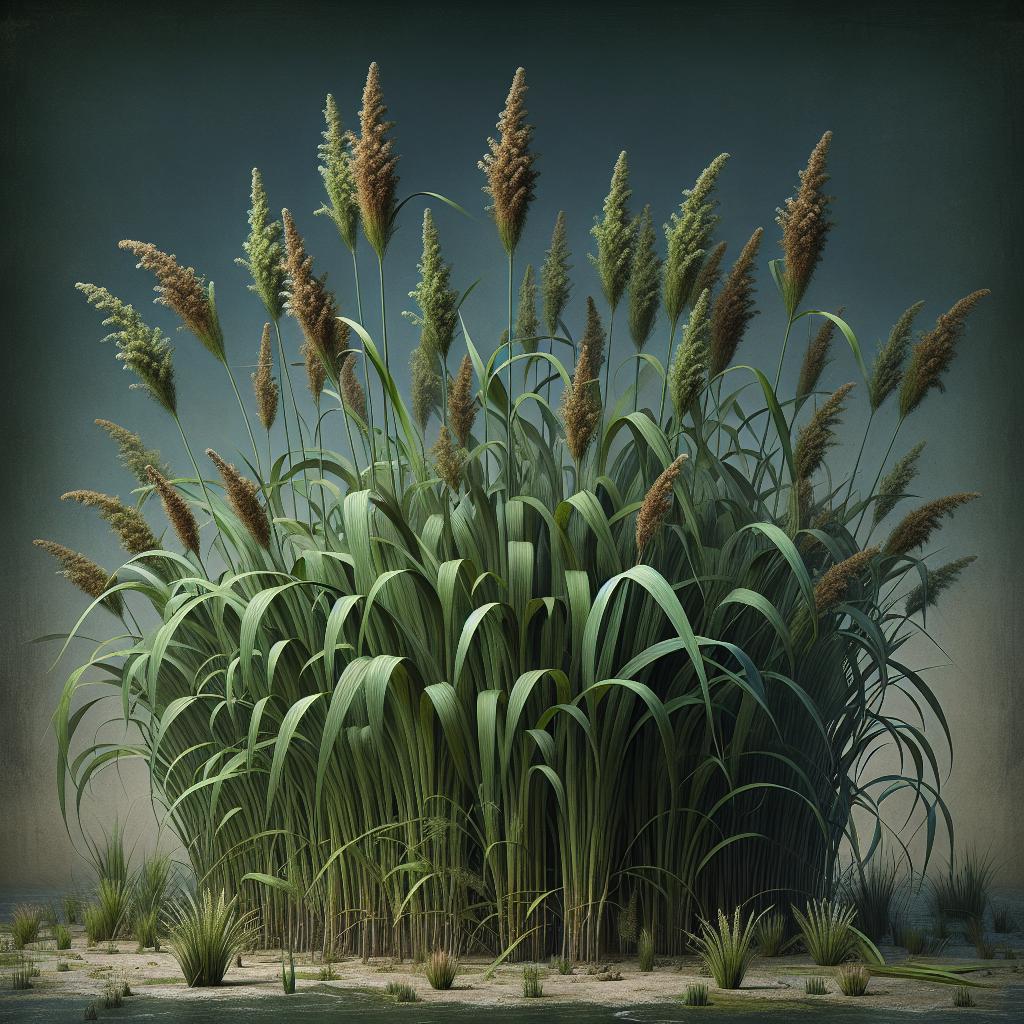
Is Carex paniculata Toxic to Dogs and Cats?
Safe
### Carex paniculata (Greater Tussock Sedge) #### Safety Information for Pets **Toxicity**: There is no evidence to suggest that Carex paniculata is toxic to pets (dogs, cats, or other common household animals). However, it is always advisable to monitor pets to ensure they do not ingest large amounts of any plant material, as even non-toxic plants can cause gastrointestinal upset if consumed in large quantities. #### General Description **Scientific Name**: Carex paniculata **Common Names**: Toppstarr, Laîche paniculée, greater tussock sedge, lähdesara, Laiche paniculee, Carice pannocchiuta, Rispen-Segge, laîche paniculée, Greater Tussock-sedge, Top-star **Family**: Cyperaceae **Plant Type**: Grass (Sedge) #### Morphology **Height**: Typically grows to a height of 60-120 cm (24-47 inches). **Leaves**: The leaves are long, narrow, and grass-like, typically growing in dense tufts. They can reach lengths of up to 100 cm (39 inches) and are often rough to the touch. **Stems**: The stems are triangular in cross-section, a characteristic feature of many sedges. They are often stout and erect. **Inflorescence**: The plant produces a dense, branched inflorescence (panicle) which can be up to 30 cm (12 inches) long. The flower spikes are typically brownish in color and can appear from May to July. **Roots**: Carex paniculata has a robust and extensive root system which forms dense tussocks. #### Habitat and Distribution **Native Range**: Carex paniculata is native to Europe and parts of Asia. **Habitat**: This plant is commonly found in wet environments such as marshes, wet meadows, the edges of ponds and rivers, and other areas with high moisture content. It often forms large, dense clumps or tussocks in these settings. #### Cultivation and Care **Soil Requirements**: Prefers moist to wet soils. It can tolerate a variety of soil types, including clay and sandy soils, as long as they remain consistently moist. **Light Requirements**: Thrives in full sun to partial shade. **Watering**: Requires regular watering to maintain moist soil conditions. It is particularly suited to waterlogged conditions and can withstand periodic flooding. **Propagation**: Can be propagated by division of the tussocks in spring or autumn. Seed propagation is also possible, but it is less commonly practiced due to the slow germination rate. #### Ecological Importance **Erosion Control**: The dense root system of Carex paniculata makes it an excellent plant for stabilizing soil and preventing erosion, particularly in wetland areas. **Wildlife Habitat**: Provides habitat and shelter for various wildlife species, including insects, birds, and small mammals. The dense tussocks offer nesting sites for birds and cover for other animals. **Water Filtration**: Plays a role in water purification by filtering nutrients and pollutants from water as it flows through the plant's root system. #### Uses **Ornamental**: While not commonly used as an ornamental plant due to its size and specific habitat requirements, it can be incorporated into naturalistic garden designs, particularly in water gardens or rain gardens. **Conservation**: Often used in wetland restoration projects due to its ability to stabilize soil and provide habitat for wildlife. ### Note When considering adding Carex paniculata to your garden or landscape, ensure that the environmental conditions match its natural habitat: wet, moist soil and sufficient sunlight. Always source plants responsibly to avoid disrupting local ecosystems.
⚠️ Think your pet ate Carex paniculata?
Get a personalized safety assessment now.
What To Do If Your Pet Ate Carex paniculata
Stay calm and remove your pet from the source
Contact your veterinarian immediately
Call ASPCA Poison Control: (888) 426-4435
Be honest — you won't remember this article at 2am when your pet eats something.
Skip the Googling next time. Scan Carex paniculata (or anything else) in ToxiPets and get an instant answer personalized to your pet's weight and breed.