
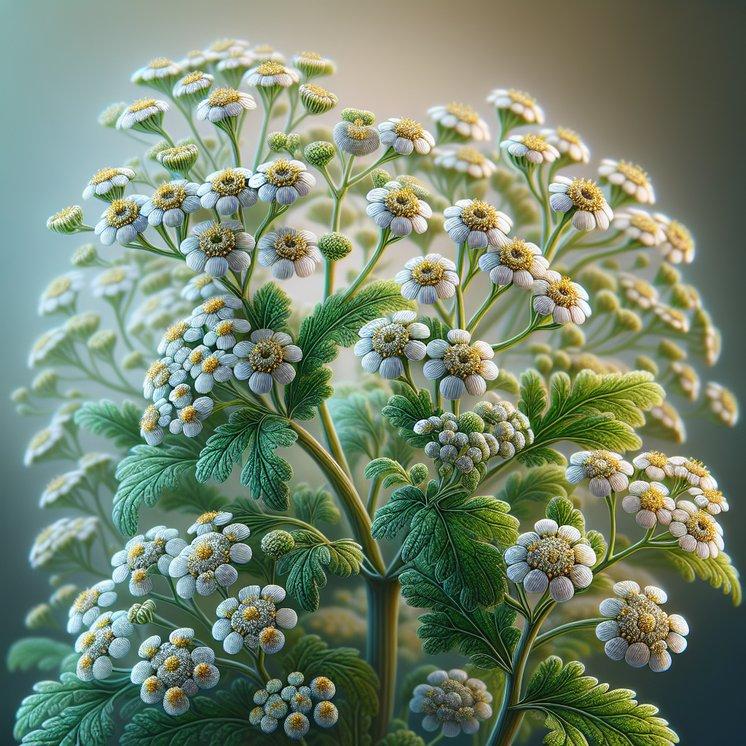
Is FEVERFEW Toxic to Dogs and Cats?
Toxic - Danger
This can be dangerous at any amount. Contact your veterinarian or poison control immediately if your pet is exposed.
### What is Feverfew? Feverfew (Tanacetum parthenium) is a perennial herb in the daisy family, native to Europe but also found in North America, Australia, and other regions. It has been traditionally used in herbal medicine for its potential health benefits. ### Applications of Feverfew in Pet Products #### 1. Flea & Tick Control Feverfew is sometimes used as an ingredient in natural flea and tick products. Its potential insect-repellent properties are attributed to compounds like pyrethrum which is also found in chrysanthemums. However, its effectiveness in repelling pests in pets is not well-documented or extensively studied. #### 2. Vitamins & Supplements Feverfew is used in herbal supplements for its purported anti-inflammatory and antioxidant properties. However, its use in pet supplements is less common than its use in human herbal remedies. ### Benefits of Feverfew #### For Humans - **Migraine Relief**: Feverfew is often used to prevent and treat migraine headaches. - **Anti-inflammatory**: It is believed to help with conditions like arthritis due to its anti-inflammatory properties. - **Antioxidant**: Contains compounds that may help reduce oxidative stress. #### For Pets While feverfew is well-known for its benefits in humans, the direct scientific evidence supporting its benefits for pets (cats and dogs) is limited. Generally, it is considered: - **Anti-inflammatory**: May help reduce inflammation. - **Pain Relief**: Could potentially alleviate minor pains or headaches. ### Toxicity to Cats and Dogs Feverfew can be toxic to pets, particularly cats and dogs, if ingested in large amounts. #### Symptoms of Toxicity: - **Vomiting** - **Diarrhea** - **Drooling** - **Loss of appetite** - **In severe cases**: Potential neurological issues such as tremors or seizures. Because of these potential adverse effects, it is crucial to consult with a veterinarian before giving feverfew or any herbal product containing feverfew to pets. ### Precautions - **Dosage**: Always adhere to veterinary guidance regarding dosage. - **Quality Control**: Ensure any herbal supplement is from a reputable source. - **Observation**: Monitor pets for any adverse reactions if feverfew is administered. ### Conclusion Feverfew is an herb with potential anti-inflammatory and pain-relief benefits, primarily known for its use in human medicine. It is incorporated into some natural flea and tick products and supplements for pets, although scientific validation in veterinary applications is limited. Due to its potential toxicity, it's essential to consult a veterinarian before using feverfew in pet care to ensure it is safe and appropriate for your specific pet.
⚠️ Think your pet ate FEVERFEW?
Get a personalized safety assessment now.
What To Do If Your Pet Ate FEVERFEW
Stay calm and remove your pet from the source
Contact your veterinarian immediately
Call ASPCA Poison Control: (888) 426-4435
Be honest — you won't remember this article at 2am when your pet eats something.
Skip the Googling next time. Scan FEVERFEW (or anything else) in ToxiPets and get an instant answer personalized to your pet's weight and breed.
Sources: CHIVELAB