
Is Buddleja asiatica Toxic to Dogs and Cats?
Safe
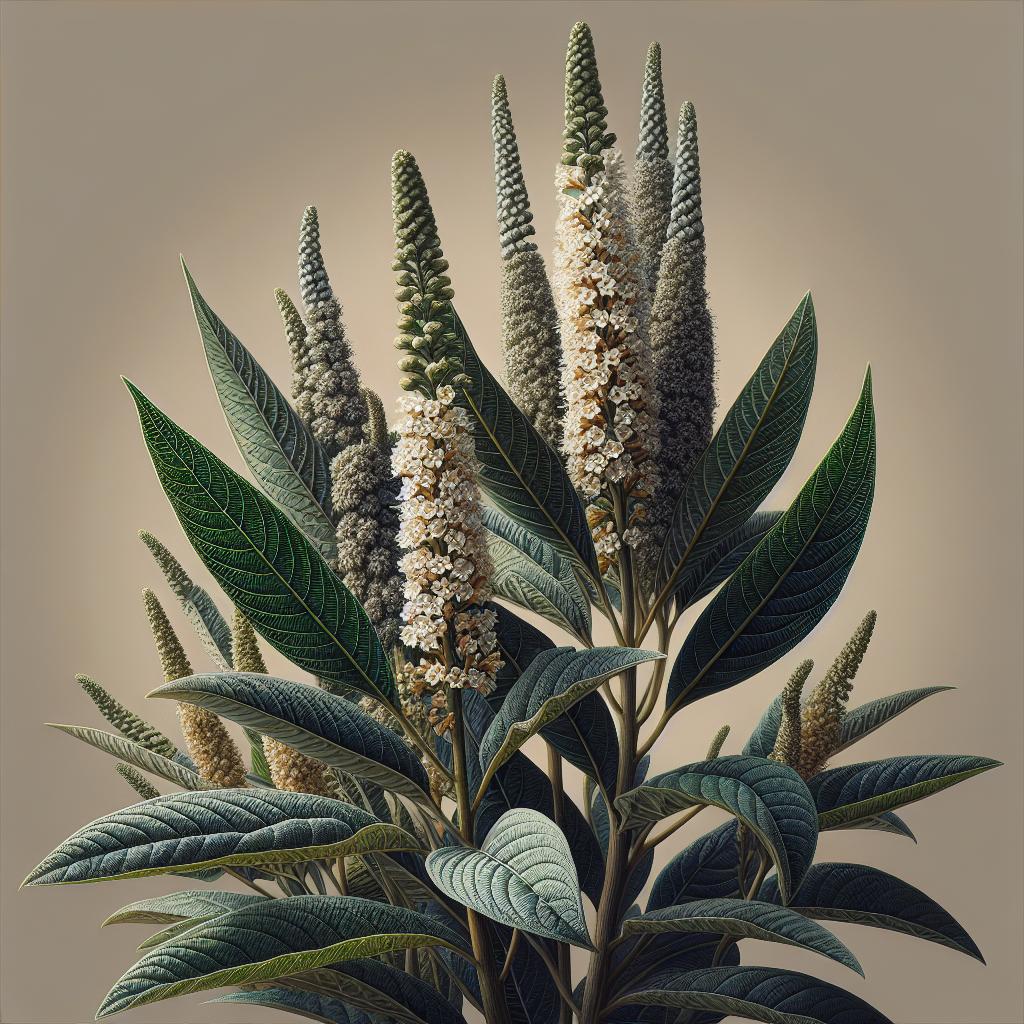
### Safety Information for Pets **Buddleja asiatica** (Dog tail, bai bei feng, dogtail) does not appear on the ASPCA’s list of toxic plants for cats, dogs, and horses. However, it is always important to monitor pets around unfamiliar plants. If you suspect your pet has ingested any part of the plant and they show signs of distress (such as vomiting, diarrhea, or lethargy), contact your veterinarian immediately. ### Detailed Plant Information #### Scientific Name: - **Buddleja asiatica** #### Common Names: - Dog tail - Bai bei feng - Dogtail #### Family: - **Buddlejaceae** #### Plant Type: - Shrub #### Description: **Buddleja asiatica** is a deciduous or semi-evergreen shrub known for its attractive and fragrant flowers. This plant can grow quite large, often reaching heights of 6 to 10 feet (1.8 to 3 meters) and spreading similarly wide. #### Leaves: The leaves of Buddleja asiatica are typically lanceolate to ovate-lanceolate, with a smooth to slightly serrated edge. They are arranged oppositely along the stems and can reach lengths of up to 10 inches (25 cm). The upper surface of the leaves is dark green, while the underside is often lighter with fine hairs. #### Flowers: The flowers are the standout feature of this plant. They are small, tubular, and usually white or pale lilac, arranged in dense, cylindrical panicles that can be up to 8 inches (20 cm) long. Blooming typically occurs in late winter to early spring. The flowers emit a sweet, honey-like fragrance that attracts a variety of pollinators, including butterflies, bees, and other insects. #### Habitat and Cultivation: **Buddleja asiatica** is native to Asia, particularly in regions spanning from the Himalayas to China and Southeast Asia. It prefers well-drained soils and can thrive in a range of soil types, from sandy to clayey. Though it prefers full sun, it can tolerate partial shade. It is relatively drought-tolerant once established but benefits from regular watering, especially during prolonged dry spells. #### Uses: - **Ornamental**: Often used in gardens and landscapes for its attractive and fragrant flowers. - **Ecological**: The flowers are excellent for attracting pollinators, making it a great choice for butterfly gardens. - **Traditional Medicine**: In some cultures, parts of the plant are used in traditional medicine, although scientific evidence supporting these uses is limited. #### Care Tips: - **Pruning**: Regular pruning is essential to maintain shape and encourage new growth. Pruning should be done after flowering. - **Fertilizing**: A balanced, slow-release fertilizer can be applied in the spring to promote healthy growth. - **Pests/Diseases**: Generally pest-resistant but can occasionally suffer from aphids or spider mites. Proper care and monitoring can help mitigate these issues. #### Climate: **Buddleja asiatica** is suitable for USDA hardiness zones 7-10. It can tolerate light frost but may need protection in areas with severe winters. ### Summary **Buddleja asiatica**, or Dog tail, is a versatile and fragrant shrub that can enhance any garden with its beautiful blooms and ability to attract pollinators. While generally considered safe for pets, it’s always best to ensure that pets do not ingest plant materials. With proper care, this shrub can be a valuable addition to both ornamental and ecological plantings.
⚠️ Think your pet ate Buddleja asiatica?
Get a personalized safety assessment now.
What To Do If Your Pet Ate Buddleja asiatica
Stay calm and remove your pet from the source
Contact your veterinarian immediately
Call ASPCA Poison Control: (888) 426-4435
Be honest — you won't remember this article at 2am when your pet eats something.
Skip the Googling next time. Scan Buddleja asiatica (or anything else) in ToxiPets and get an instant answer personalized to your pet's weight and breed.