
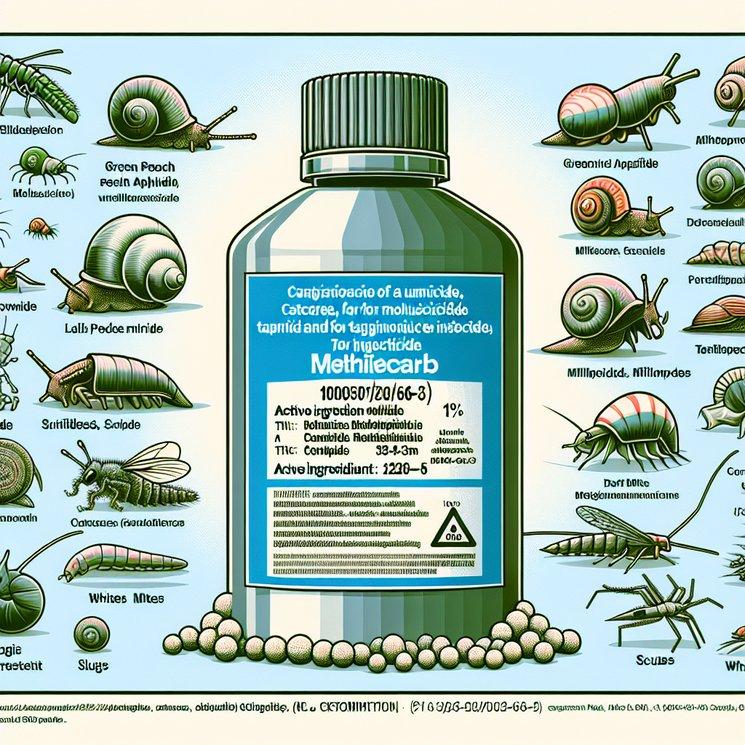
Is Methiocarb (100501/2032-65-7) - (1%) Toxic to Dogs and Cats?
Toxic - Danger
This can be dangerous at any amount. Contact your veterinarian or poison control immediately if your pet is exposed.
### Methiocarb (1%) Detailed Description **Chemical Name and CAS Number:** - Methiocarb (100501/2032-65-7) **Active Ingredient:** - Methiocarb 1% **Product Classification:** - Miticide - Molluscicide - Tadpole Shrimp Control - Insecticide **Target Pests:** - Green Peach Aphid - Snails - Sowbugs - Aphids - Fall Webworm - Spider Mites - Millipedes - Centipedes - Scales - Whiteflies - Pillbugs - Slugs - Moths **Typical Application Sites:** **Greenhouse-Foliar Treatment:** - Snowball - Crotons - Hibiscus - Begonia - Ageratum - Dusty Miller - Variegated Peperomia - Coleus - Wandering Jew - Poinsettia - German Ivy - Sprenger Asparagus - Bird-of-Paradise - Chrysanthemum - Cereus - Santolina - Arborvitae - Asparagus Fern - Euonymus - Pepper (Ornamental) - Spirea (Anthony Waterer) - Holly - Moses-in-the-Cradle - Boston Fern - Yew - Aster - Velvetleaf - Schefflera - Air Plant - Chicken Gizzard - Cutleaf Philodendron - Columbine - Orchids - Pansies - Zinnia - Philodendron - Azalea - Aloe - Viburnum - Gardenia - Polka Dot Plant - Peperomia - Spider Plant - Petunia - Calendula - Crown-of-Thorns - Snapdragon - Dieffenbachia - Swedish Ivy (White-Edged) - Sansevieria - Cacti - Impatiens - Grape-Ivy - Shrimp Plant - Carnation - Devils Ivy - Spirea - Crassula - Jade Plant - Bloodleaf - Geranium - Pyracantha - Christmas Cactus - Airplane Plant - Moss Rose **Soil Treatment:** - Dichondra - Ornamental Gardens - Ornamental Plants - Ornamental Flowering Plants (Plant Bed) - Ornamental Turf (Lawns) - Building Foundations - Nursery Stock **Bait Application:** - Ornamental Ground Covers - Greenhouse - Domestic Dwellings (Outdoor) - Ornamental Turf - Dichondra (Lawns) - Ornamental Garden Plants - Ornamental Lawns ### Usage Instructions 1. **Read the label** on the product carefully before using it. 2. **Application Method** – Depending on the type of pest, application methods may include baiting, foliar spray, or soil treatment. 3. **Quantity** – Follow the manufacturer's recommendation for the amount to use based on the size of the area being treated and the specific pest targeted. 4. **Application Timing** – For best results, apply during times when the target pests are most active. ### Potential Toxicity Concerns for Pets (Cats and Dogs) Methiocarb is an effective pesticide, but it can pose significant toxicity risks to pets. Here are several concerns: 1. **Neurotoxicity**: Methiocarb, being a carbamate pesticide, functions by inhibiting cholinesterase. This can lead to neurotoxicity in pets, potentially causing symptoms such as vomiting, diarrhea, salivation, muscle tremors, weakness, seizures, and even death if ingested in significant quantities. 2. **Ingestion**: If pets consume treated plants, soil, or baited areas, they are at risk of methiocarb poisoning. Pets often explore their environment by chewing on plants or digging in the soil, increasing their exposure risk. 3. **Dermal Exposure**: Although ingestion is the primary concern, dermal (skin) exposure can also pose risks. Pets that walk on treated areas and then groom themselves can ingest the chemical inadvertently. ### Safety Measures for Pet Owners 1. **Restrict Access**: After treatment, keep pets away from treated areas for at least the duration recommended by the product label, usually until the area is dry or for several hours post-application. 2. **Storage**: Store methiocarb products in a secure location out of reach of pets. 3. **Clean-Up**: In cases of spills, immediately clean up the pesticide to prevent accidental exposure. 4. **Monitor Pets**: After application, monitor pets for any signs of poisoning, such as changes in behavior, appetite, or physical symptoms listed above. If you suspect poisoning, contact a veterinarian immediately. 5. **Consider Alternatives**: If possible, consider non-toxic or less-toxic pest control alternatives to minimize the risk to pets. By adhering to recommended usage instructions and safety precautions, methiocarb can be used effectively while mitigating potential risks to cats, dogs, and other pets.
⚠️ Think your pet ate Methiocarb (100501/2032-65-7) - (1%)?
Get a personalized safety assessment now.
What To Do If Your Pet Ate Methiocarb (100501/2032-65-7) - (1%)
Stay calm and remove your pet from the source
Contact your veterinarian immediately
Call ASPCA Poison Control: (888) 426-4435
Be honest — you won't remember this article at 2am when your pet eats something.
Skip the Googling next time. Scan Methiocarb (100501/2032-65-7) - (1%) (or anything else) in ToxiPets and get an instant answer personalized to your pet's weight and breed.