
Is Rumex utahensis Toxic to Dogs and Cats?
Caution - Use Care
Generally safe in small amounts, but harmful in excess. Monitor your pet and consult your vet if concerned.
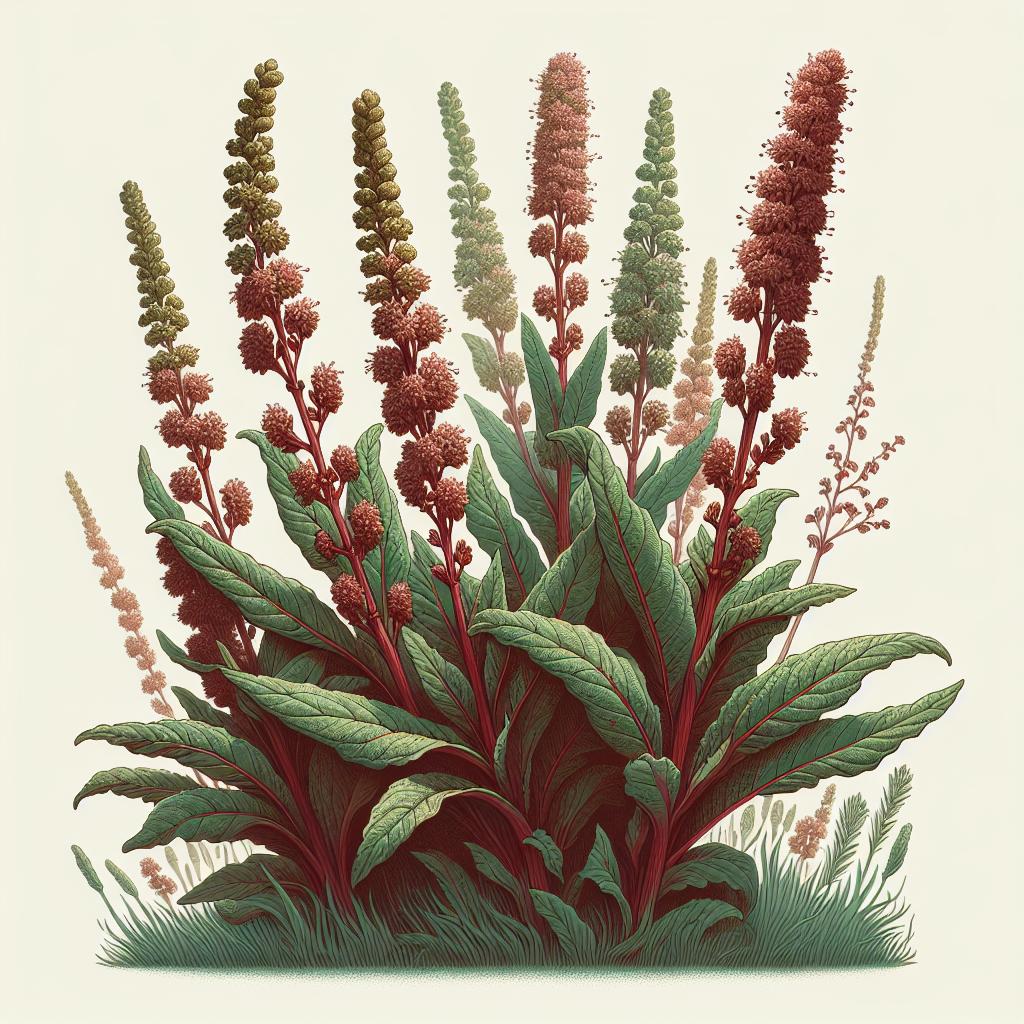
### Safety Information for Pets **Rumex utahensis**, commonly known as Utah dock or Utah willow dock, belongs to the Polygonaceae family. While specific toxicity information for **Rumex utahensis** may not be widely documented, many species within the Rumex genus contain oxalates, which can be toxic to pets such as dogs, cats, and other animals if ingested in large quantities. Symptoms of oxalate poisoning can include: - Drooling - Vomiting - Decreased appetite - Lethargy - Increased thirst and urination To ensure the safety of pets, it is advisable to prevent them from accessing this plant. ### General Plant Information #### **Scientific Name** - **Rumex utahensis** #### **Common Names** - Utah dock - Utah willow dock - Patience d'Utah #### **Plant Type** - Herbaceous perennial #### **Description** **Rumex utahensis** is an herbaceous perennial plant that typically grows in moist, saline, or alkaline soils. It is often found in meadows, along streambanks, and in other wetland areas. #### **Habitat** - Native to the western United States, especially in Utah, Nevada, and Wyoming. - Prefers moist environments such as meadows, riparian zones, and marshy areas. #### **Growth Habit** - **Height**: Typically ranges from 1 to 3 feet tall. - **Leaves**: The leaves are lanceolate to oblong, with a prominent mid-vein and wavy or slightly curled edges. They are bright green and can grow up to 12 inches long. - **Stems**: Erect, unbranched stems that are often reddish or purplish towards the base. - **Roots**: Deep taproot system that helps the plant access water in dry conditions. #### **Flowers and Reproduction** - **Flowering Period**: Blooms from late spring to early summer. - **Flowers**: Small, inconspicuous, and greenish to reddish in color, arranged in dense clusters or panicles. - **Fruit**: Produces small, three-angled, brown seeds enclosed in a papery, winged covering. #### **Ecological Role** - **Pollinators**: Attracts a variety of pollinators, including bees and other insects. - **Wildlife**: Provides food and habitat for various wildlife species. #### **Cultural Uses** - Historically, some indigenous peoples have used parts of the plant for medicinal purposes, such as treating wounds and ailments. However, caution is advised due to the potential toxicity of oxalates. ### Conclusion **Rumex utahensis** is a resilient and adaptable plant that plays a vital role in its native habitats. While it has ecological and potential medicinal value, care should be taken to prevent pets from ingesting it due to the risk of oxalate toxicity.
⚠️ Think your pet ate Rumex utahensis?
Get a personalized safety assessment now.
What To Do If Your Pet Ate Rumex utahensis
Stay calm and remove your pet from the source
Contact your veterinarian immediately
Call ASPCA Poison Control: (888) 426-4435
Be honest — you won't remember this article at 2am when your pet eats something.
Skip the Googling next time. Scan Rumex utahensis (or anything else) in ToxiPets and get an instant answer personalized to your pet's weight and breed.