
Is Callisia repens Toxic to Dogs and Cats?
Caution - Use Care
Generally safe in small amounts, but harmful in excess. Monitor your pet and consult your vet if concerned.
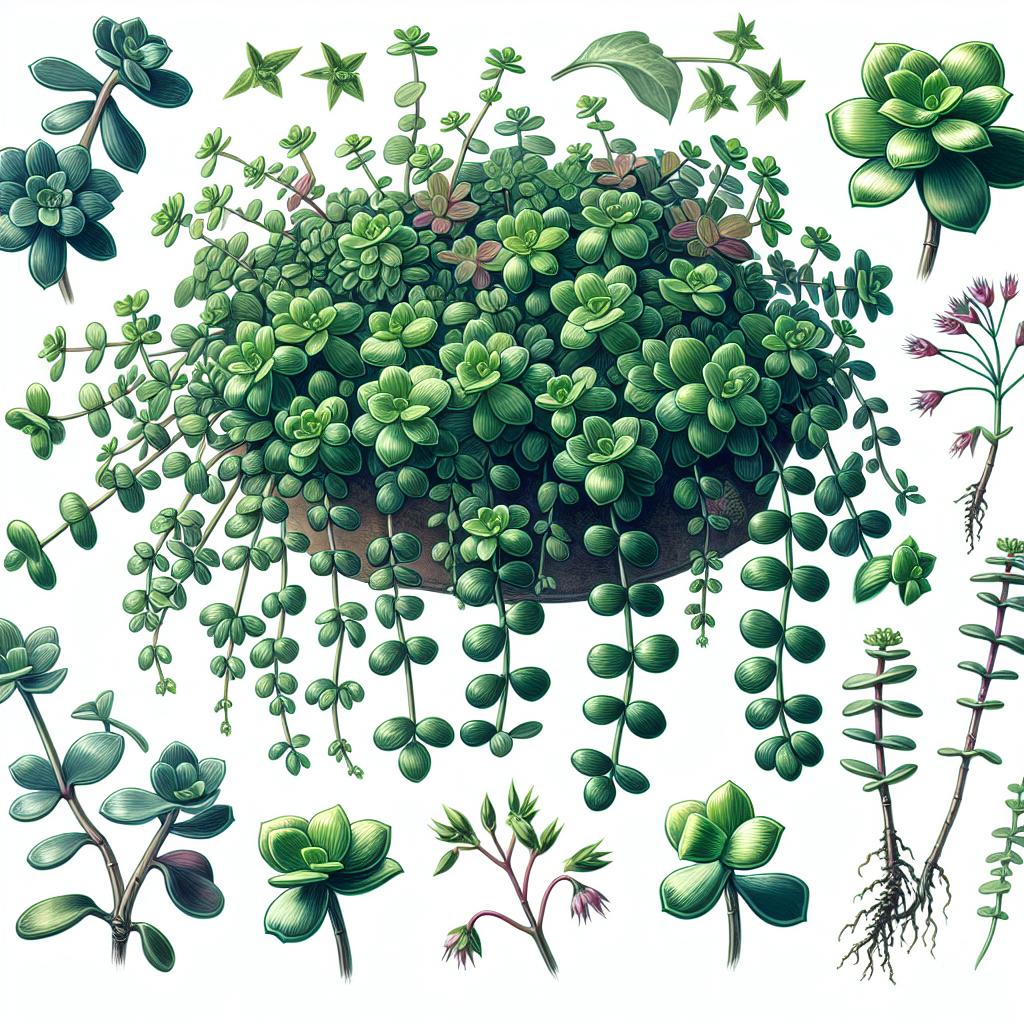
### Callisia repens (Creeping Inchplant) #### Safety Information for Pets: - **Toxicity**: Callisia repens is generally considered non-toxic to pets, including cats and dogs. However, it is always best to monitor your pets around the plant, as ingestion of any plant material can potentially cause mild gastrointestinal upset. ### General Plant Information: #### Common Names: - Creeping inchplant - Sköldpaddstuva - Waterweed - Horea di Raton - Creeping Inchplant #### Family: - Commelinaceae #### Plant Type: - Herb ### Detailed Description: #### Origin and Habitat: - **Native Range**: Callisia repens originates from Central and South America, where it thrives in tropical and subtropical climates. - **Habitat**: It typically grows in moist, shaded areas, often found creeping along the ground or climbing over other vegetation. #### Physical Characteristics: - **Growth Habit**: This plant is a low-growing, trailing herb that forms dense mats. Its trailing stems can root at the nodes, making it an excellent ground cover. - **Leaves**: The leaves are small, fleshy, and oval to lance-shaped, with a glossy green surface that may have purple undertones, especially on the undersides. Leaves are arranged alternately along the stem. - **Stems**: Stems are slender and flexible, often reddish in color, and can root at the nodes when they come into contact with soil. - **Flowers**: While not particularly showy, Callisia repens produces small, white to pinkish flowers. These flowers are usually clustered and emerge from the leaf axils. #### Growing Conditions: - **Light**: Prefers bright, indirect light but can tolerate lower light conditions. Avoid direct sunlight, which can scorch the leaves. - **Water**: Requires regular watering to keep the soil consistently moist but not waterlogged. It prefers well-draining soil. - **Soil**: Thrives in a well-draining potting mix. A mix designed for succulents or houseplants works well. - **Temperature**: Prefers warm temperatures between 65°F and 75°F (18°C to 24°C). It is not frost-tolerant, so it should be kept indoors or in a warm environment during cold weather. - **Humidity**: Appreciates higher humidity levels, making it suitable for bathrooms or kitchens. You can also mist the plant to increase humidity. #### Propagation: - **Methods**: Callisia repens is easy to propagate through stem cuttings. Simply cut a healthy stem with a few leaves and place it in water or directly into moist soil. Roots will develop at the nodes, and new growth will appear relatively quickly. #### Care Tips: - **Pruning**: Regular pruning helps maintain a compact shape and encourages bushier growth. Trim back any leggy or overgrown stems. - **Pests**: Generally pest-free but can occasionally be affected by aphids, spider mites, or mealybugs. Treat infestations with insecticidal soap or neem oil. - **Fertilizing**: Feed with a balanced, water-soluble fertilizer every 4-6 weeks during the growing season (spring and summer). Reduce feeding during the fall and winter months when growth slows. ### Additional Notes: - **Indoor Use**: Callisia repens is a popular houseplant due to its attractive foliage and ease of care. It can be grown in hanging baskets, terrariums, or as ground cover in larger containers. - **Outdoor Use**: In suitable climates, it can be used as a ground cover in shaded garden areas. However, it can become invasive in some regions, so monitor its spread. By providing a lush, green presence and being relatively low-maintenance, Callisia repens is a wonderful addition to any plant collection, both indoors and out.
⚠️ Think your pet ate Callisia repens?
Get a personalized safety assessment now.
What To Do If Your Pet Ate Callisia repens
Stay calm and remove your pet from the source
Contact your veterinarian immediately
Call ASPCA Poison Control: (888) 426-4435
Be honest — you won't remember this article at 2am when your pet eats something.
Skip the Googling next time. Scan Callisia repens (or anything else) in ToxiPets and get an instant answer personalized to your pet's weight and breed.