
Is Narcissus tazetta Toxic to Dogs and Cats?
Toxic - Danger
This can be dangerous at any amount. Contact your veterinarian or poison control immediately if your pet is exposed.
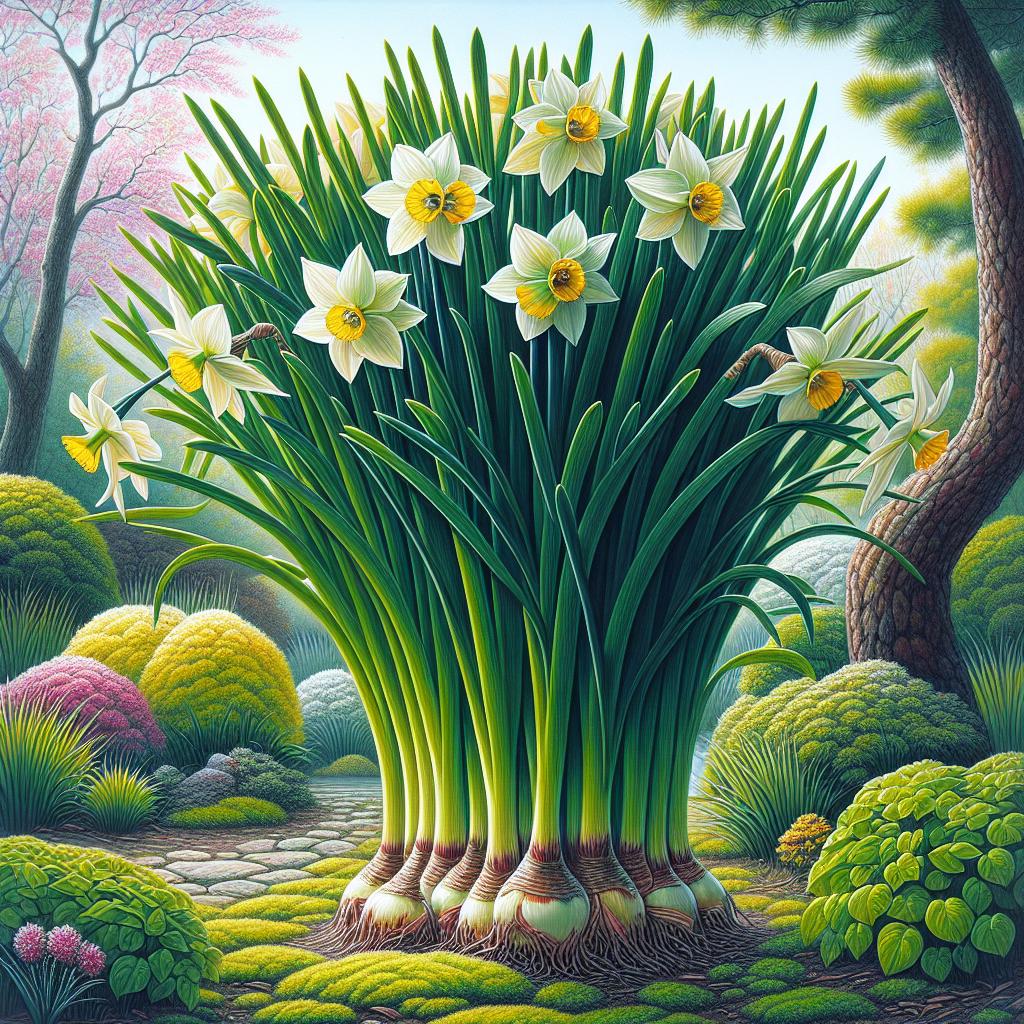
### Safety Information for Pets **Narcissus tazetta**, commonly known as the bunch-flowered daffodil, is **toxic to pets**, including cats, dogs, and horses. All parts of the plant contain toxic alkaloids, with the highest concentration found in the bulbs. Ingestion can cause symptoms such as vomiting, diarrhea, drooling, abdominal pain, and in severe cases, more serious effects like tremors, convulsions, and cardiac arrhythmias. If you suspect your pet has ingested any part of this plant, seek veterinary care immediately. ### Detailed Plant Information **Scientific Name**: Narcissus tazetta **Common Names**: Tazetta, Narcisse tazette, Narcisses à bouquet jaune, Narcisse à bouquet, Bunch-flowered Daffodil, Bunchflower Narcissi, Bunchflower Daffodil, Daffodil, Nargis, Tazett, Sarjatasetti, Cream Narcissus, Tasett, Polyanthus Narcissus, Narciso, 수선화 (Su-seon-hwa), Chinese Sacred-Lily, Cream Narcissus **Family**: Amaryllidaceae (Note: There is a common misconception that it belongs to the Liliaceae family, but it is actually part of the Amaryllidaceae family.) **Plant Type**: Flower #### Description - **Growth Habit**: Narcissus tazetta is a bulbous perennial plant that typically grows to a height of 30-50 cm (12-20 inches). - **Leaves**: The plant has strap-shaped, dark green leaves that emerge from the base. - **Flowers**: Each flower stem produces a cluster of fragrant flowers. The flowers typically have white or cream-colored petals (tepals) with a prominent central cup (corona) that is usually yellow, but can sometimes be orange or white. - **Blooming Period**: This species typically flowers in late winter to early spring, though this can vary depending on the climate and growing conditions. #### Habitat and Distribution - **Native Range**: Narcissus tazetta is native to the Mediterranean region and parts of Asia. - **Cultivation**: It is widely cultivated in gardens and landscapes for its attractive, fragrant flowers. It is also popular for forcing indoors. - **Soil Preference**: Prefers well-drained soil with a neutral to slightly acidic pH. - **Light Requirements**: Thrives in full sun to partial shade. #### Care and Maintenance - **Watering**: Requires regular watering during the growing season but should be kept relatively dry during dormancy. - **Fertilization**: Benefit from a balanced fertilizer applied in early spring and again after flowering. - **Propagation**: Propagated by bulbs. Bulbs can be dug up and divided every few years to maintain plant vigor. #### Uses - **Ornamental**: Primarily grown for ornamental purposes in gardens and as cut flowers due to their attractive and fragrant blooms. - **Cultural Significance**: In various cultures, Narcissus tazetta is associated with good fortune and is often used in festive decorations, especially in Chinese New Year celebrations. ### Summary Narcissus tazetta, or the bunch-flowered daffodil, is a beautiful and fragrant plant ideal for gardens and indoor decoration. However, it is crucial to keep it out of reach of pets due to its toxicity. Proper care, including appropriate watering, light conditions, and periodic fertilization, will ensure its healthy growth and vibrant blooms.
⚠️ Think your pet ate Narcissus tazetta?
Get a personalized safety assessment now.
What To Do If Your Pet Ate Narcissus tazetta
Stay calm and remove your pet from the source
Contact your veterinarian immediately
Call ASPCA Poison Control: (888) 426-4435
Be honest — you won't remember this article at 2am when your pet eats something.
Skip the Googling next time. Scan Narcissus tazetta (or anything else) in ToxiPets and get an instant answer personalized to your pet's weight and breed.