
Is COLEUS FORSKOLII Toxic to Dogs and Cats?
Caution - Use Care
Generally safe in small amounts, but harmful in excess. Monitor your pet and consult your vet if concerned.
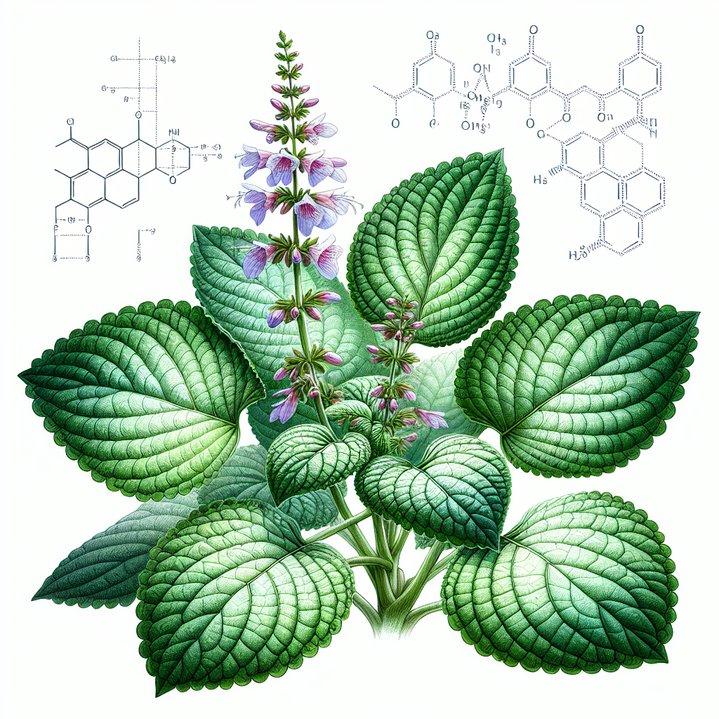
**Coleus forskohlii** (now often referred to as **Plectranthus barbatus**) is a tropical perennial plant that is part of the mint family (Lamiaceae) and is native to regions in Southeast Asia. This plant has been traditionally used in Ayurvedic medicine and other traditional practices primarily for its purported health benefits. The active compound derived from this plant is called **forskolin**. ### Uses in Pet Products Forskolin, the active ingredient in Coleus forskohlii, has several proposed benefits when used as a supplement, although comprehensive, species-specific research in the context of pets is somewhat limited. Here’s how it is generally understood: 1. **Weight Management**: Forskolin has been researched for its potential role in weight management by increasing levels of cyclic AMP (cAMP), which can help in fat metabolism. However, the efficacy and safety for weight loss in pets are not as well-documented as it is in human studies. 2. **Anti-Inflammatory**: Forskolin is reported to have anti-inflammatory properties. This can be beneficial for pets suffering from conditions that involve inflammation, such as arthritis. 3. **Heart Health**: It has been suggested that forskolin could help in reducing blood pressure and improving heart function, making it potentially useful for pets with cardiovascular issues. Again, specific research in pets is minimal. ### Applications and Benefits - **Vitamins & Supplements**: In pet supplements, Coleus forskohlii extract is primarily marketed for its potential to support weight management, improve metabolic rate, support cardiovascular health, and reduce inflammation. It may also be included in supplements aimed at general health and vitality. - **Behavioral and Cognitive Support**: Some products may include forskolin with claims to support behavioral health and cognitive function due to its effects on neurotransmitters and intracellular signaling. ### Safety and Toxicity - **Cats and Dogs**: There isn't widespread or robust data specifically on the effects of Coleus forskohlii or forskolin on cats and dogs. While the extract is used in some veterinary supplements, it should be approached with caution. Consulting a veterinarian before giving pets any supplement containing Coleus forskohlii is crucial. - **Possible Side Effects**: Potential side effects might include gastrointestinal upset (such as diarrhea or vomiting), low blood pressure, or interactions with other medications. - **Dosage**: Proper dosing of forskolin for pets has not been standardized, and incorrect dosages could potentially lead to adverse effects. Hence, it should only be used under veterinary supervision. ### Summary While Coleus forskohlii has promising applications based on traditional uses and some scientific evidence, its use in pet products, particularly for cats and dogs, requires caution. Always consult with a veterinarian to ensure safety and proper usage. Due to the lack of extensive studies, the benefits and risks need careful consideration specific to each pet's condition and overall health. If a pet owner is considering using a supplement containing Coleus forskohlii, it's best to discuss it with a vet, who can provide tailored advice and monitor for any potential adverse effects.
⚠️ Think your pet ate COLEUS FORSKOLII?
Get a personalized safety assessment now.
What To Do If Your Pet Ate COLEUS FORSKOLII
Stay calm and remove your pet from the source
Contact your veterinarian immediately
Call ASPCA Poison Control: (888) 426-4435
Be honest — you won't remember this article at 2am when your pet eats something.
Skip the Googling next time. Scan COLEUS FORSKOLII (or anything else) in ToxiPets and get an instant answer personalized to your pet's weight and breed.
Sources: CHIVELAB