
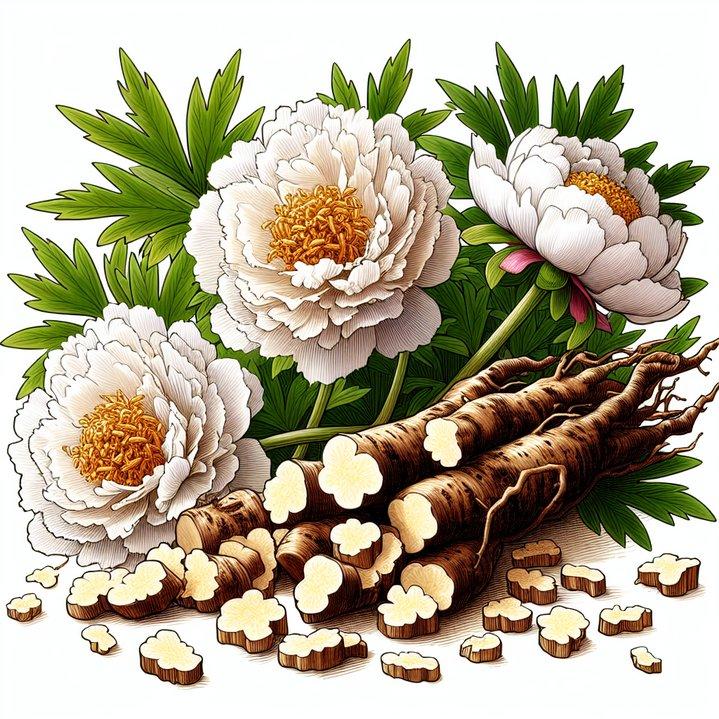
Is CHINESE PEONY ROOT (PAEONIA LACTIFLORA) Toxic to Dogs and Cats?
Caution - Use Care
Generally safe in small amounts, but harmful in excess. Monitor your pet and consult your vet if concerned.
Chinese Peony Root, scientifically known as Paeonia lactiflora, is a herbaceous perennial plant that is native to central and eastern Asia. It is widely known for its ornamental beauty as well as its medicinal properties. The plant's root is particularly valued in traditional Chinese medicine, where it is often referred to as Bai Shao or White Peony Root. ### Traditional Uses In traditional medicine, the Chinese Peony Root is commonly used for its various pharmacological properties, which include: - **Anti-inflammatory**: It is often used to reduce inflammation. - **Analgesic**: It helps in alleviating pain. - **Antispasmodic**: It can relieve muscle spasms. - **Blood tonic**: It is believed to nourish the blood and improve blood circulation. ### Application in Pet Products Chinese Peony Root can be found in some pet supplements and vitamins aimed at enhancing general health and addressing specific issues. Here are some common uses: **1. Anti-inflammatory and Pain Relief:** - It is used in supplements to help manage chronic pain conditions like arthritis in both cats and dogs. - Helps reduce inflammation in pets with conditions such as inflammatory bowel disease (IBD). **2. Muscle Relaxation:** - Its antispasmodic properties can help relieve muscle tension in pets, particularly dogs. **3. Immune System Support:** - Acts as an immune booster, helping pets fight off infections and maintain overall health. ### Benefits - **Pain Relief**: Effective in managing pain due to arthritis or injuries. - **Anti-inflammatory**: Helps reduce inflammation, promoting better joint health. - **Digestive Health**: May improve digestive functions and reduce gastrointestinal discomfort. - **Immune Support**: Enhances overall immune function. ### Toxicity and Safety in Pets While Chinese Peony Root has various benefits, its safety profile in pets, especially cats and dogs, needs cautious consideration. Here's what you should know: **General Safety:** - Generally safe when used in appropriate amounts. - Quality and purity of the product can affect safety—always choose high-quality, veterinary-approved supplements. **Possible Side Effects:** - **Gastrointestinal Issues**: In some pets, it may cause mild digestive issues like diarrhea or upset stomach. - **Allergic Reactions**: Though rare, some pets might be allergic to it. **Precautions:** - Always consult with a veterinarian before introducing any new supplement to your pet's diet. - Ensure the dosage is in line with veterinary recommendations to avoid any adverse effects. - Avoid using it in pregnant or lactating pets unless explicitly approved by a vet. ### Conclusion Chinese Peony Root (Paeonia lactiflora) has significant potential benefits when used in pet products focused on vitamins and supplements, primarily for its anti-inflammatory, pain-relieving, and immune-boosting properties. However, proper veterinary guidance and dosage precision are crucial to ensure the safety and efficacy of this herbal supplement for cats and dogs.
⚠️ Think your pet ate CHINESE PEONY ROOT (PAEONIA LACTIFLORA)?
Get a personalized safety assessment now.
What To Do If Your Pet Ate CHINESE PEONY ROOT (PAEONIA LACTIFLORA)
Stay calm and remove your pet from the source
Contact your veterinarian immediately
Call ASPCA Poison Control: (888) 426-4435
Be honest — you won't remember this article at 2am when your pet eats something.
Skip the Googling next time. Scan CHINESE PEONY ROOT (PAEONIA LACTIFLORA) (or anything else) in ToxiPets and get an instant answer personalized to your pet's weight and breed.
Sources: CHIVELAB