
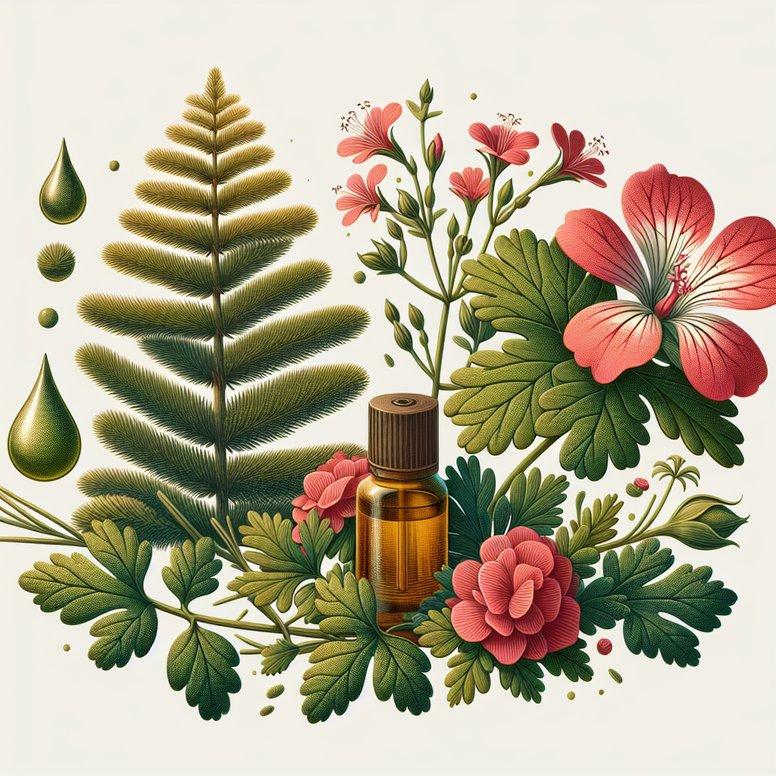
Is ESSENTIAL OILS OF CEDRUS ATLANTICA (CEDARWOOD) AND PELARGONIUM GRAVEOLENS (GERANIUM) Toxic to Dogs and Cats?
Caution - Use Care
Generally safe in small amounts, but harmful in excess. Monitor your pet and consult your vet if concerned.
The active ingredients you mentioned—essential oils of 0.5% Cedrus atlantica (Cedarwood) and 0.5% Pelargonium graveolens (Geranium)—are frequently utilized in pet products, especially those aiming to repel fleas and ticks. Here's a detailed breakdown of each element concerning its application, benefits, and potential toxicity to cats and dogs: ### Cedrus Atlantica (Cedarwood) Essential Oil **Applications:** - **Flea & Tick Repellents:** Cedarwood oil is commonly used due to its insecticidal properties. It can disrupt the life cycles of fleas and ticks and deter them from infesting pets. - **Aromatherapy:** It provides a calming effect and can help pets with anxiety or stress. **Benefits:** - **Natural Insect Repellent:** Cedarwood oil is effective against a wide range of pests including fleas, ticks, and mosquitoes. - **Antimicrobial Properties:** It has antimicrobial and antifungal properties, which can be beneficial in preventing skin infections. **Potential Toxicity:** - **Dogs:** Generally considered safe for dogs when used properly, although it's essential to dilute it adequately to prevent skin irritation. - **Cats:** Cats are more sensitive to essential oils due to lack of certain liver enzymes required to metabolize them. Cedarwood oil is considered to be moderately safe for cats when used in very diluted forms, but caution should be exercised, and it’s best to consult with a vet before use. ### Pelargonium Graveolens (Geranium) Essential Oil **Applications:** - **Flea & Tick Repellents:** Similarly, geranium oil is known for its insect-repelling properties, making it a common ingredient in natural flea and tick sprays. - **Skin Care:** It can promote healing and has anti-inflammatory properties, which may benefit pets with skin issues caused by flea bites. **Benefits:** - **Insect Repellent:** Effective against fleas, ticks, and even lice. - **Anti-inflammatory and Antiseptic:** Helps in reducing inflammation and preventing infections on the skin. - **Aromatherapy:** Can have calming effects and might reduce anxiety in pets. **Potential Toxicity:** - **Dogs:** Generally safe for dogs when used correctly. However, like all essential oils, it must be diluted to avoid skin sensitivity or irritation. - **Cats:** Geranium oil should be used with caution in cats. Essential oils can be toxic to cats, especially if ingested, since cats are less capable of metabolizing certain compounds found in essential oils. Always consult with a veterinarian before application. ### General Safety Precautions: 1. **Dilution:** Always dilute essential oils before applying them to pets. An appropriate carrier oil like coconut or olive oil can be used. 2. **Consultation with Veterinarian:** Always consult a veterinarian before using any essential oil on your pet, especially for cats due to their unique sensitivities. 3. **Patch Test:** Conduct a patch test by applying a small amount of the diluted oil on a small patch of your pet's skin to ensure there is no adverse reaction. 4. **Avoiding Ingestion:** Ensure that your pet does not lick the area where the essential oil has been applied. ### Bottom Line: Essential oils of Cedarwood (Cedrus atlantica) and Geranium (Pelargonium graveolens) can be effective, natural options for repelling fleas and ticks in pets. They offer many benefits but must be used with careful consideration of the correct dilution and potential differences in toxicity between dogs and cats. Always err on the side of caution and seek veterinary advice before incorporating these oils into your pet care routine.
⚠️ Think your pet ate ESSENTIAL OILS OF CEDRUS ATLANTICA (CEDARWOOD) AND PELARGONIUM GRAVEOLENS (GERANIUM)?
Get a personalized safety assessment now.
What To Do If Your Pet Ate ESSENTIAL OILS OF CEDRUS ATLANTICA (CEDARWOOD) AND PELARGONIUM GRAVEOLENS (GERANIUM)
Stay calm and remove your pet from the source
Contact your veterinarian immediately
Call ASPCA Poison Control: (888) 426-4435
Be honest — you won't remember this article at 2am when your pet eats something.
Skip the Googling next time. Scan ESSENTIAL OILS OF CEDRUS ATLANTICA (CEDARWOOD) AND PELARGONIUM GRAVEOLENS (GERANIUM) (or anything else) in ToxiPets and get an instant answer personalized to your pet's weight and breed.
Sources: CHIVELAB