
Is Ceanothus diversifolius Toxic to Dogs and Cats?
Safe
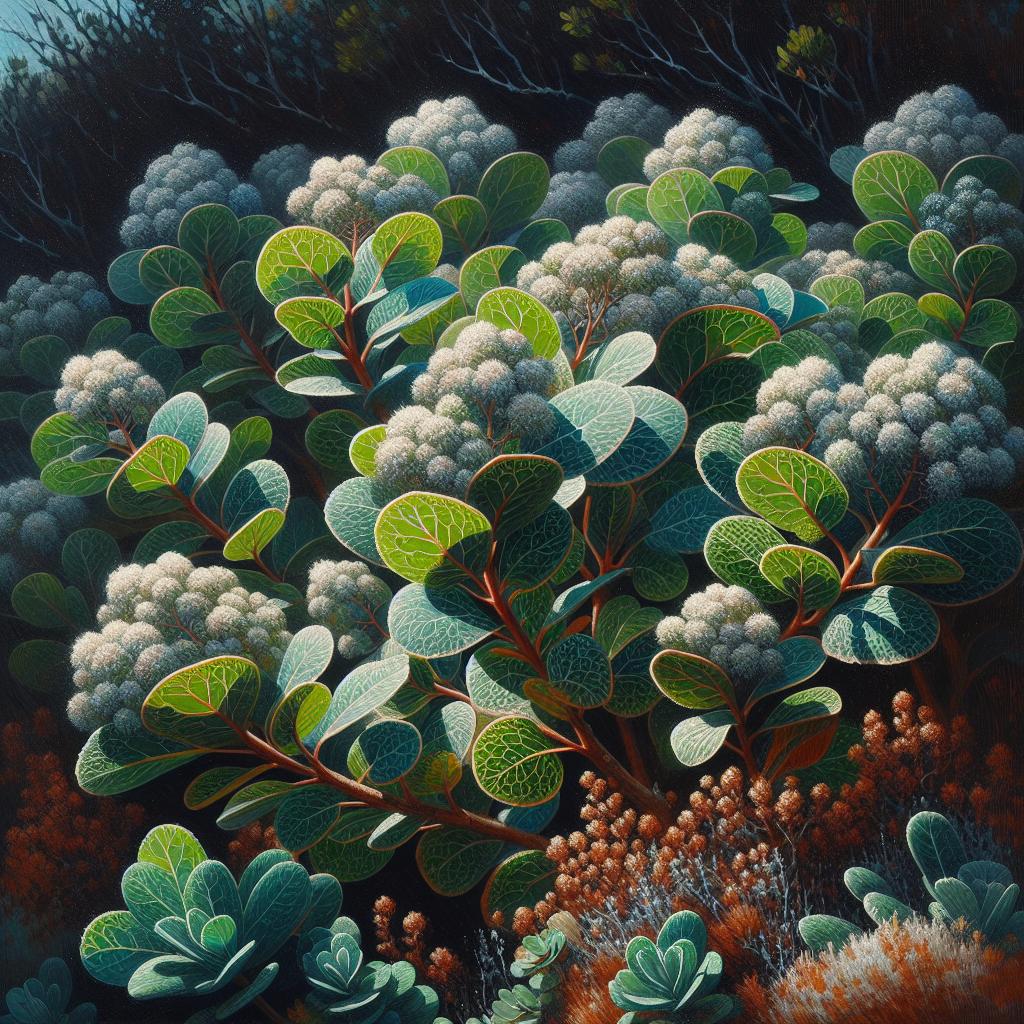
**Safety Information for Pets:** - **Toxicity**: Ceanothus diversifolius, commonly known as pinemat, is not listed as toxic to pets such as cats and dogs by the ASPCA. However, it is always advisable to prevent pets from chewing on or ingesting plants, as individual sensitivities can vary, and ingestion of large quantities of any plant material can potentially cause digestive upset. **Detailed Plant Description:** - **Scientific Name**: Ceanothus diversifolius - **Common Names**: Pinemat, pinemat - **Family**: Rhamnaceae - **Plant Type**: Shrub - **Description**: Ceanothus diversifolius, or pinemat, is a low-growing, mat-forming shrub that is part of the buckthorn family (Rhamnaceae). It typically spreads out horizontally rather than growing tall, making it an excellent ground cover in suitable environments. - **Leaves**: The leaves of the pinemat are evergreen, simple, and can vary in shape. They are generally small, oval to lanceolate, and have a glossy green appearance. The edges of the leaves are often serrate or slightly toothed. - **Flowers**: This plant produces small, dense clusters of flowers that are usually blue to purple in color, though white-flowered forms are also known. The flowers are typically fragrant and attract a variety of pollinators, including bees and butterflies. - **Fruit**: The fruit of Ceanothus diversifolius is a small, dry, three-lobed capsule that contains several seeds. These capsules can persist on the plant for some time after the flowering period. - **Habitat**: Pinemat is native to California, particularly the coastal regions and foothills. It thrives in chaparral, woodland, and forest environments, often in well-drained, rocky soils. - **Growth Conditions**: - **Light**: Pinemat prefers full sun to partial shade. - **Soil**: It thrives in well-drained soils and is tolerant of poor, rocky soil conditions. - **Water**: Once established, this plant is drought-tolerant and requires minimal watering. Overwatering can lead to root rot. - **Climate**: It is best suited for Mediterranean climates with wet winters and dry summers. - **Uses in Landscaping**: Due to its low-growing, mat-forming nature, Ceanothus diversifolius is often used as a ground cover in landscaping. It can help control erosion on slopes and is a good choice for xeriscaping (landscaping that reduces or eliminates the need for supplemental water). - **Maintenance**: This shrub requires minimal maintenance once established. Occasional pruning may be necessary to control its spread and maintain a tidy appearance. Being native to areas with periodic fires, it can benefit from occasional rejuvenation pruning to stimulate new growth. - **Ecological Benefits**: Pinemat provides excellent habitat and food sources for wildlife, including pollinators like bees and butterflies. It can also support soil health by fixing nitrogen due to its association with nitrogen-fixing bacteria. In summary, Ceanothus diversifolius (pinemat) is a versatile, low-maintenance shrub that is safe around pets and beneficial for garden ecosystems. Its attractive foliage and flowers, along with its adaptability to various soil conditions, make it a valuable addition to native plant gardens and drought-tolerant landscapes.
⚠️ Think your pet ate Ceanothus diversifolius?
Get a personalized safety assessment now.
What To Do If Your Pet Ate Ceanothus diversifolius
Stay calm and remove your pet from the source
Contact your veterinarian immediately
Call ASPCA Poison Control: (888) 426-4435
Be honest — you won't remember this article at 2am when your pet eats something.
Skip the Googling next time. Scan Ceanothus diversifolius (or anything else) in ToxiPets and get an instant answer personalized to your pet's weight and breed.