
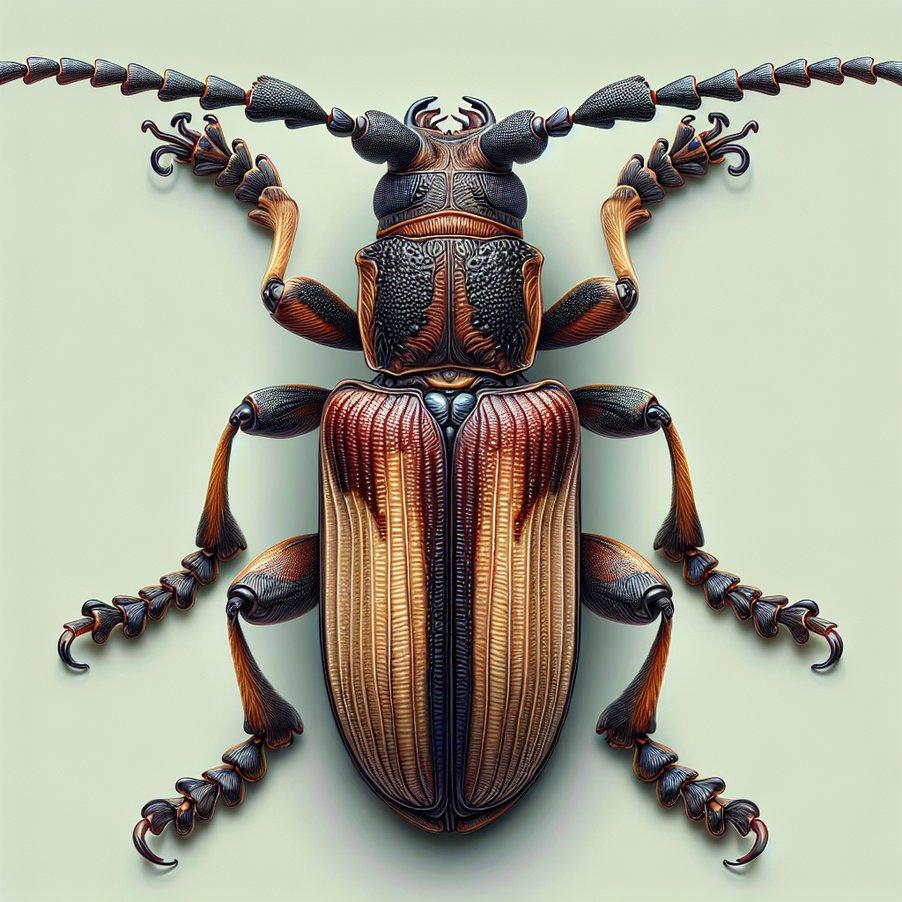
Is California Root Borer Beetle Toxic to Dogs and Cats?
Caution - Use Care
Generally safe in small amounts, but harmful in excess. Monitor your pet and consult your vet if concerned.
The California Root Borer Beetle (Prionus californicus) is a large, wood-boring beetle native to the western regions of North America. Below, you'll find detailed information covering various aspects of this beetle: ### Habitat The California Root Borer Beetle primarily inhabits forested areas, especially those with a significant presence of hardwood tree species. They are commonly found in the Pacific Northwest, extending from California up to parts of Canada. The beetle's larvae typically reside in the soil and feed on the roots of various trees, including oaks, maples, and other hardwoods. They can also be found in orchards and gardens. ### Behavior - **Life Cycle**: Adult beetles emerge from the soil during the summer months, usually from June to August, when they are most active. Adults are nocturnal and are attracted to lights during the night. - **Feeding**: The larvae are the primary feeding stage, consuming tree roots and causing potential damage to forests and cultivated plants. Adult beetles typically do not feed and have a relatively short lifespan. - **Reproduction**: After mating, female beetles lay eggs in the soil near the base of trees. The eggs hatch into larvae which then burrow into the soil and begin feeding on tree roots. ### Toxicity and Safety The California Root Borer Beetle is not known to be toxic to humans or animals. However, their presence can lead to certain concerns: - **Safety for Pets**: While these beetles are not poisonous, they are relatively large and their hard exoskeleton might cause mechanical injury if ingested by pets. Additionally, the mandibles of the larvae can potentially cause a bite, although this is rare and not dangerous. - **Dogs**: If a dog ingests a beetle, there may be minor digestive upset, such as vomiting or diarrhea, due to the hard exoskeleton. However, serious health issues are unlikely. - **Cats**: Similarly, if a cat ingests a beetle, it may also experience digestive discomfort. Cats are generally more cautious eaters but the ingestion can cause minor issues. ### Preventive Measures To ensure the safety of pets: - **Monitoring**: Keep an eye on your pets, especially during the summer months when these beetles are active. - **Habitat Management**: Maintain your garden and remove decomposing wood and tree branches which can serve as breeding grounds for these beetles. - **Lighting**: Reduce outdoor lighting at night to minimize attracting adult beetles. ### Response if Ingested If a pet does ingest a California Root Borer Beetle: - **Observe**: Watch for signs of distress, vomiting, or diarrhea. Most issues will be minor and resolve on their own. - **Veterinary Consultation**: If symptoms persist or worsen, consult a veterinarian for advice. ### Overall Impact While the California Root Borer Beetle poses no significant threat to humans or pets, it can be detrimental to trees, particularly in forested and orchard environments. The larvae can cause serious damage to the roots, leading to weakened trees and potentially contributing to tree mortality. In summary, while the California Root Borer Beetle is not toxic or dangerous to pets, it's essential to be aware of their presence and take preventive steps to avoid potential minor issues related to ingestion.
⚠️ Think your pet ate California Root Borer Beetle?
Get a personalized safety assessment now.
What To Do If Your Pet Ate California Root Borer Beetle
Stay calm and remove your pet from the source
Contact your veterinarian immediately
Call ASPCA Poison Control: (888) 426-4435
Be honest — you won't remember this article at 2am when your pet eats something.
Skip the Googling next time. Scan California Root Borer Beetle (or anything else) in ToxiPets and get an instant answer personalized to your pet's weight and breed.