
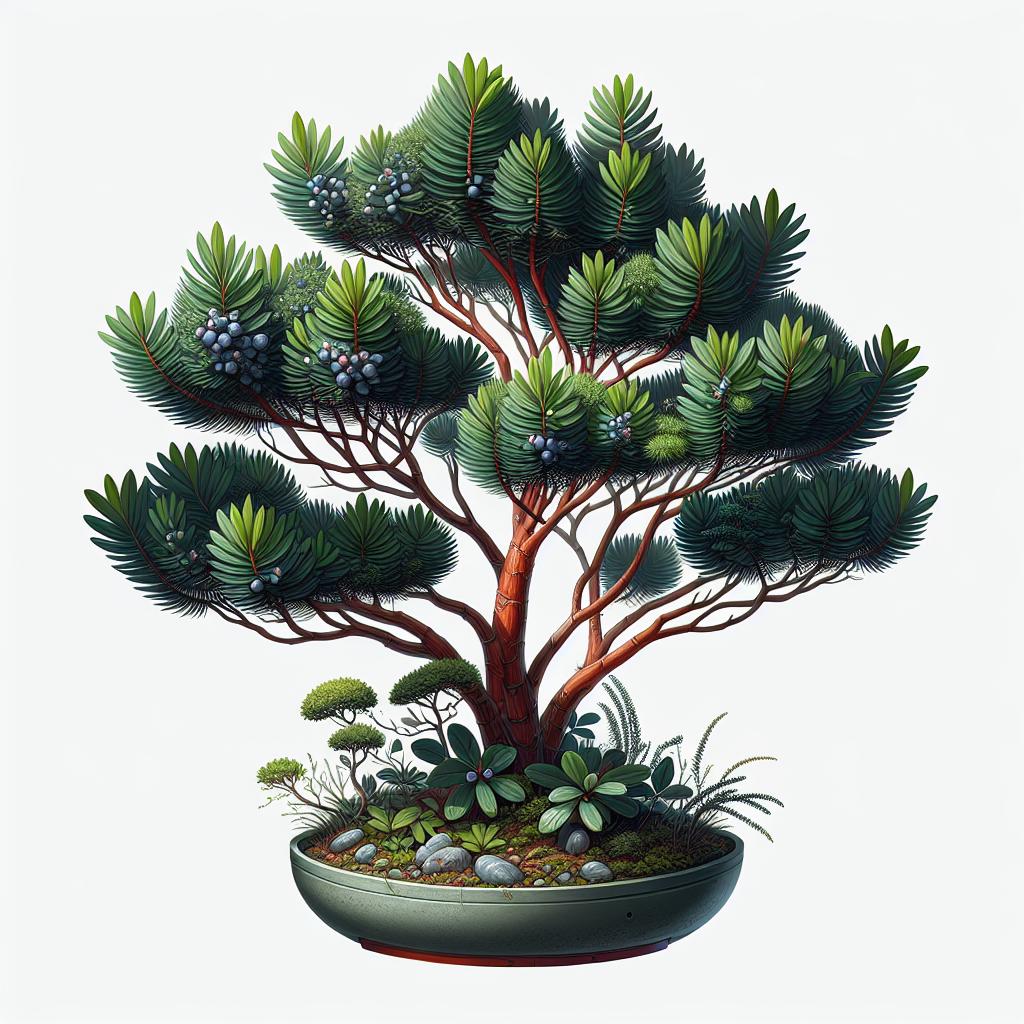
Is Podocarpus macrophyllus var. maki Toxic to Dogs and Cats?
Caution - Use Care
Generally safe in small amounts, but harmful in excess. Monitor your pet and consult your vet if concerned.
### Podocarpus macrophyllus var. maki #### Safety Information for Pets - **Toxicity**: Podocarpus macrophyllus var. maki, commonly known as Buddhist Pine or Yew Plum Pine, is toxic to pets, including cats, dogs, and horses. Ingestion can lead to symptoms such as vomiting, diarrhea, drooling, weakness, and potentially severe complications like tremors, seizures, and even death. It's important to keep this plant out of reach of pets and to seek immediate veterinary care if ingestion is suspected. #### General Description - **Scientific Name**: Podocarpus macrophyllus var. maki - **Common Names**: Pinheiro-de-buda, big-leaf podocarp, Luo han song, storbladig podokarp, Yew plum pine, Buddhist pine, pinheirinho, kusa-maki, Japanese yew, pinheiro-budista, podocarpo, yew plum pine, maki, Kusamaki, inu-maki, luo han song - **Family**: Podocarpaceae - **Plant Type**: Shrub #### Morphology - **Height**: Ranges from 10 to 20 feet when grown as a shrub, but can be trained as a small tree reaching up to 50 feet in optimal conditions. - **Spread**: Typically 6 to 12 feet, but can be pruned to maintain a desired shape and size. - **Leaves**: The leaves are evergreen, lanceolate, and leathery, measuring up to 4 inches in length. They are dark green and glossy on the upper surface, with a lighter green underside. - **Flowers**: The plant produces small, inconspicuous flowers that are generally not a significant ornamental feature. - **Fruit**: The fruit is a small, fleshy, berry-like drupe, which is initially green and turns purplish-black upon ripening. The seeds inside are toxic. #### Growth and Care - **Light**: Prefers full sun to partial shade. It can tolerate a variety of light conditions but grows best with at least 4-6 hours of direct sunlight daily. - **Soil**: Thrives in well-drained, slightly acidic to neutral soil. It is adaptable to a variety of soil types, including sandy and clay soils. - **Watering**: Requires moderate watering, especially during the establishment period. Once established, it is relatively drought-tolerant but benefits from regular watering during dry periods. - **Temperature**: Hardy in USDA zones 7-11. It tolerates a wide range of temperatures but prefers warmer climates. - **Pruning**: Pruning can be done to maintain shape and size. It responds well to pruning, making it suitable for hedges and topiary. - **Fertilization**: Fertilize in early spring with a balanced, slow-release fertilizer to promote healthy growth. #### Uses - **Ornamental**: Often used as an ornamental shrub in gardens and landscapes for its attractive foliage and ability to be shaped into hedges or topiaries. - **Indoor Plant**: Can be grown indoors in containers, making it a popular choice for bonsai enthusiasts. - **Screening and Hedging**: Ideal for use as a privacy screen or hedge due to its dense growth habit and ability to be pruned into a uniform shape. ### Conclusion Podocarpus macrophyllus var. maki is a versatile and attractive shrub suitable for a variety of landscaping uses. However, its toxicity to pets necessitates careful placement to ensure it is not accessible to animals. With proper care, this plant can be a beautiful and functional addition to gardens and indoor spaces.
⚠️ Think your pet ate Podocarpus macrophyllus var. maki?
Get a personalized safety assessment now.
What To Do If Your Pet Ate Podocarpus macrophyllus var. maki
Stay calm and remove your pet from the source
Contact your veterinarian immediately
Call ASPCA Poison Control: (888) 426-4435
Be honest — you won't remember this article at 2am when your pet eats something.
Skip the Googling next time. Scan Podocarpus macrophyllus var. maki (or anything else) in ToxiPets and get an instant answer personalized to your pet's weight and breed.