
Is Plantago aristata Toxic to Dogs and Cats?
Safe
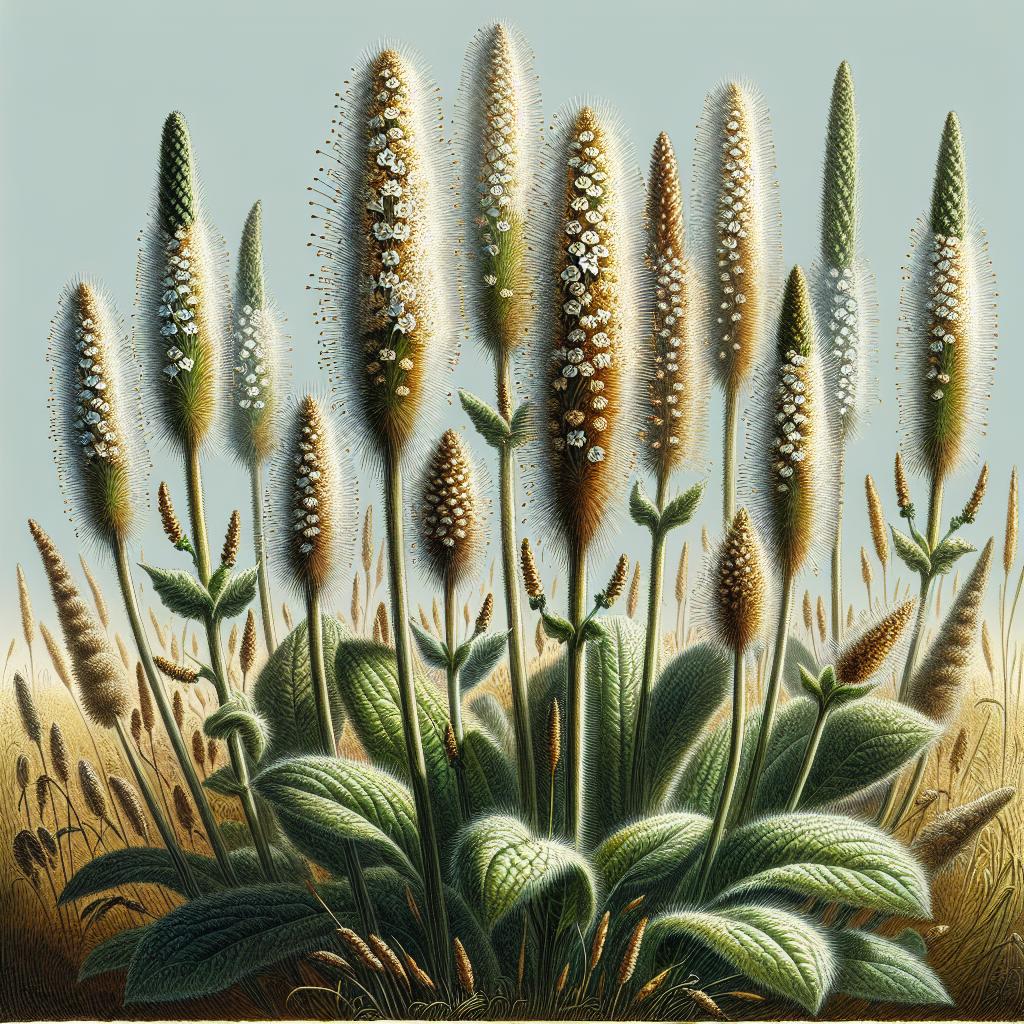
### **Plantago aristata (Bracted Plantain)** --- #### **Safety Information for Pets:** Plantago aristata, commonly known as Bracted Plantain, is generally considered non-toxic to pets, including cats, dogs, and horses. However, it’s always recommended to monitor pets for any unusual reactions if they ingest the plant, as individual sensitivities can vary. If any adverse symptoms occur, contact a veterinarian immediately. #### **General Description:** - **Common Names**: Bracted plantain, bottlebrush Indianwheat, skorocel ostitý, large bracted plantain, tanchagem-bracteada, mang bao che qian, Plantain aristé, Buckhorn, Begrannter Wegerich. - **Family**: Plantaginaceae - **Plant Type**: Herbaceous annual #### **Physical Characteristics:** - **Height**: Typically grows up to 10-50 cm (4-20 inches) tall. - **Leaves**: The leaves are basal, lanceolate to narrowly elliptic, and can grow up to 15 cm (6 inches) long. They are characterized by prominent parallel veins. - **Stems**: The plant has a slender, erect stem. - **Flowers**: The inflorescence is a cylindrical spike with densely packed, small flowers. The bracts are prominent, giving the spike a bottlebrush appearance. Flowers are typically white to light brown and bloom from late spring to early summer. - **Seeds**: Produces tiny, brown seeds within the flower spike. #### **Habitat and Distribution:** - **Native Range**: North America, particularly widespread in the central and eastern United States. - **Preferred Habitat**: Thrives in open, disturbed areas such as roadsides, fields, and grasslands. Prefers well-drained soils but can adapt to a range of soil types. #### **Cultivation and Care:** - **Sunlight**: Prefers full sun to partial shade. - **Soil**: Tolerant of various soil types, including sandy, loamy, and clay soils, as long as they are well-drained. - **Watering**: Drought-tolerant once established; requires moderate watering. - **Propagation**: Typically propagated by seeds. Seeds can be sown directly in the soil in early spring or late fall. #### **Uses and Benefits:** - **Medicinal**: Like other plantains, Plantago aristata may have medicinal properties. Traditionally, plantains have been used for their anti-inflammatory and wound-healing properties. - **Ecological**: Provides habitat and food for various insects and wildlife. Acts as a pioneer species in disturbed areas, helping to stabilize soil. #### **Additional Notes:** - **Invasive Potential**: In some regions, Plantago aristata can be considered invasive due to its ability to quickly colonize disturbed areas. It’s important to manage its spread to prevent it from outcompeting native vegetation. - **Identification Tips**: The distinctive bracts and bottlebrush-like flower spikes are key identifying features of this plant. By understanding the characteristics, habitat, and uses of Plantago aristata, gardeners and pet owners can make informed decisions about cultivating and managing this plant. Always consult local guidelines if you suspect the plant may have invasive potential in your area.
⚠️ Think your pet ate Plantago aristata?
Get a personalized safety assessment now.
What To Do If Your Pet Ate Plantago aristata
Stay calm and remove your pet from the source
Contact your veterinarian immediately
Call ASPCA Poison Control: (888) 426-4435
Be honest — you won't remember this article at 2am when your pet eats something.
Skip the Googling next time. Scan Plantago aristata (or anything else) in ToxiPets and get an instant answer personalized to your pet's weight and breed.