
Is Jasminum fluminense Toxic to Dogs and Cats?
Safe
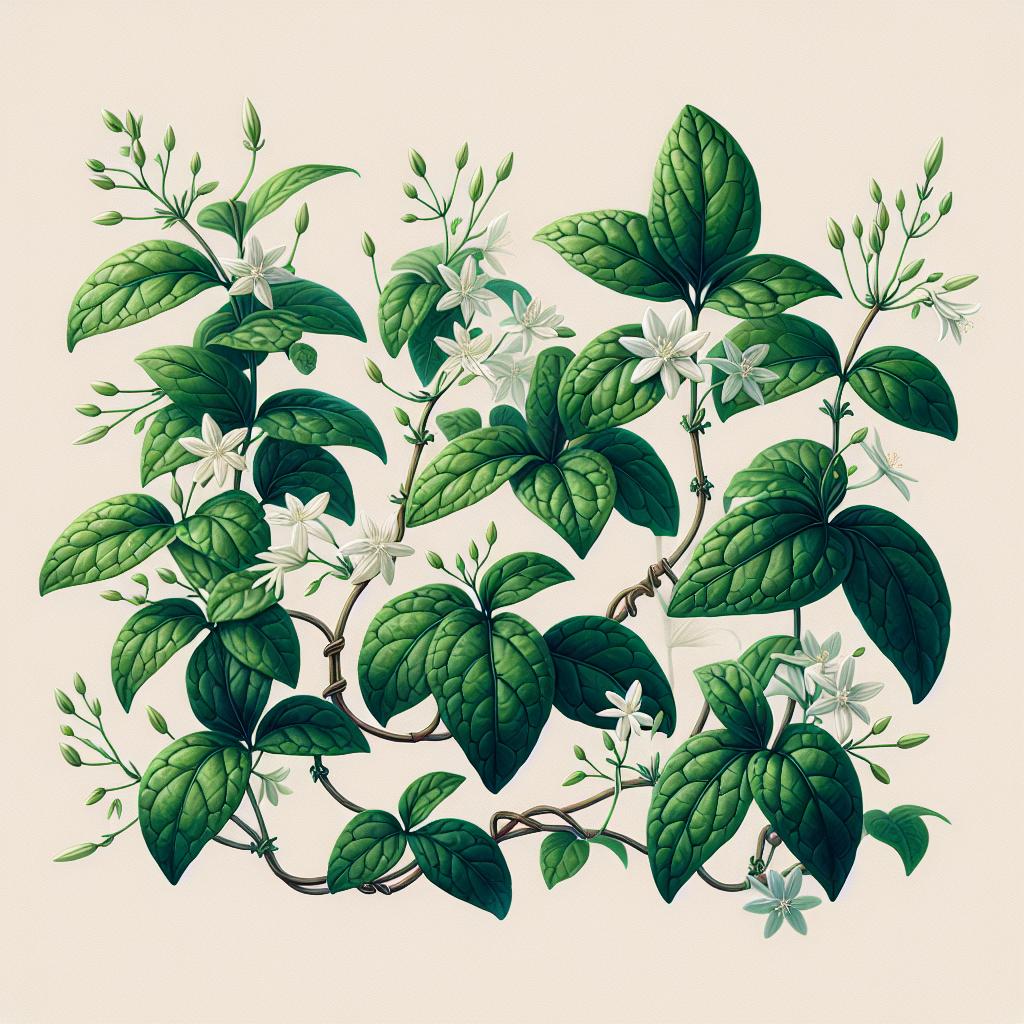
### Jasminum fluminense (Brazilian Jasmine) **Safety Information for Pets:** - **Toxicity:** Jasminum fluminense is generally considered non-toxic to pets, including cats, dogs, and horses. However, ingestion of large quantities can still cause gastrointestinal upset, so it's best to keep pets from chewing on the plant. ### Detailed Plant Information: **Scientific Name:** Jasminum fluminense **Common Names:** Azahar, Jazmin De Trapo, Brazilian jasmine, Hasmin, Jasmin à bouquet, Jasmin, jazmin de trapo **Family:** Oleaceae **Plant Type:** Vine #### Description: - **Growth Habit:** Jasminum fluminense is a vigorous, climbing vine that can reach heights of up to 20 feet or more when provided with support structures such as trellises, fences, or walls. - **Leaves:** The leaves are opposite, pinnate, and usually have 5-9 leaflets that are oval to lanceolate in shape. They are glossy green, providing a lush backdrop to the plant's flowers. - **Flowers:** The flowers are small, white, and star-shaped. They are typically grouped in clusters and are known for their sweet, pleasant fragrance, which intensifies in the evening and early morning. The blooming period usually occurs in late spring to early summer. - **Fruit:** After flowering, the plant produces small, black berries, which are not typically a significant feature of the plant. #### Habitat and Cultivation: - **Native Range:** Jasminum fluminense is native to tropical and subtropical regions, particularly in Brazil and other parts of South America. - **Soil Requirements:** It prefers well-draining soil, rich in organic matter. A slightly acidic to neutral pH is ideal for optimal growth. - **Light Requirements:** This plant thrives in full sun to partial shade. While it can tolerate some shade, flowering is more prolific in brighter conditions. - **Watering:** Regular watering is essential, especially during the growing season. The soil should be kept consistently moist but not waterlogged. Reduce watering in the winter months. - **Temperature:** Being a tropical plant, it prefers warm temperatures and is not frost-tolerant. It grows best in USDA hardiness zones 9-11. In cooler climates, it can be grown as a container plant and brought indoors during the winter. - **Pruning:** Regular pruning helps maintain its shape and encourages bushier growth. Pruning is best done after the flowering season to avoid cutting off flower buds. #### Uses: - **Ornamental:** Jasminum fluminense is widely cultivated for its ornamental value due to its attractive foliage and fragrant flowers. It is often used in gardens, as ground cover, or grown on trellises and arbors. - **Aromatic:** The fragrant flowers are used in making perfumes and essential oils. - **Cultural:** In some cultures, the flowers are used in traditional ceremonies and for making garlands. #### Pests and Diseases: - **Pests:** Common pests include aphids, spider mites, and whiteflies. Regular inspection and appropriate treatments like insecticidal soap or neem oil can help manage these issues. - **Diseases:** The plant can be susceptible to fungal diseases like powdery mildew and root rot if overwatered or if air circulation is poor. Proper spacing, watering practices, and fungicides can help prevent these problems. ### Summary Jasminum fluminense, or Brazilian Jasmine, is a beautiful, fragrant vine that is relatively easy to grow and maintain in suitable climates. It poses little risk to pets, making it a safe choice for households with animals. Its lush foliage and sweet-smelling flowers make it a popular ornamental plant in gardens and landscapes. Regular care, including proper watering, pruning, and pest management, will ensure a healthy and vibrant plant.
⚠️ Think your pet ate Jasminum fluminense?
Get a personalized safety assessment now.
What To Do If Your Pet Ate Jasminum fluminense
Stay calm and remove your pet from the source
Contact your veterinarian immediately
Call ASPCA Poison Control: (888) 426-4435
Be honest — you won't remember this article at 2am when your pet eats something.
Skip the Googling next time. Scan Jasminum fluminense (or anything else) in ToxiPets and get an instant answer personalized to your pet's weight and breed.