
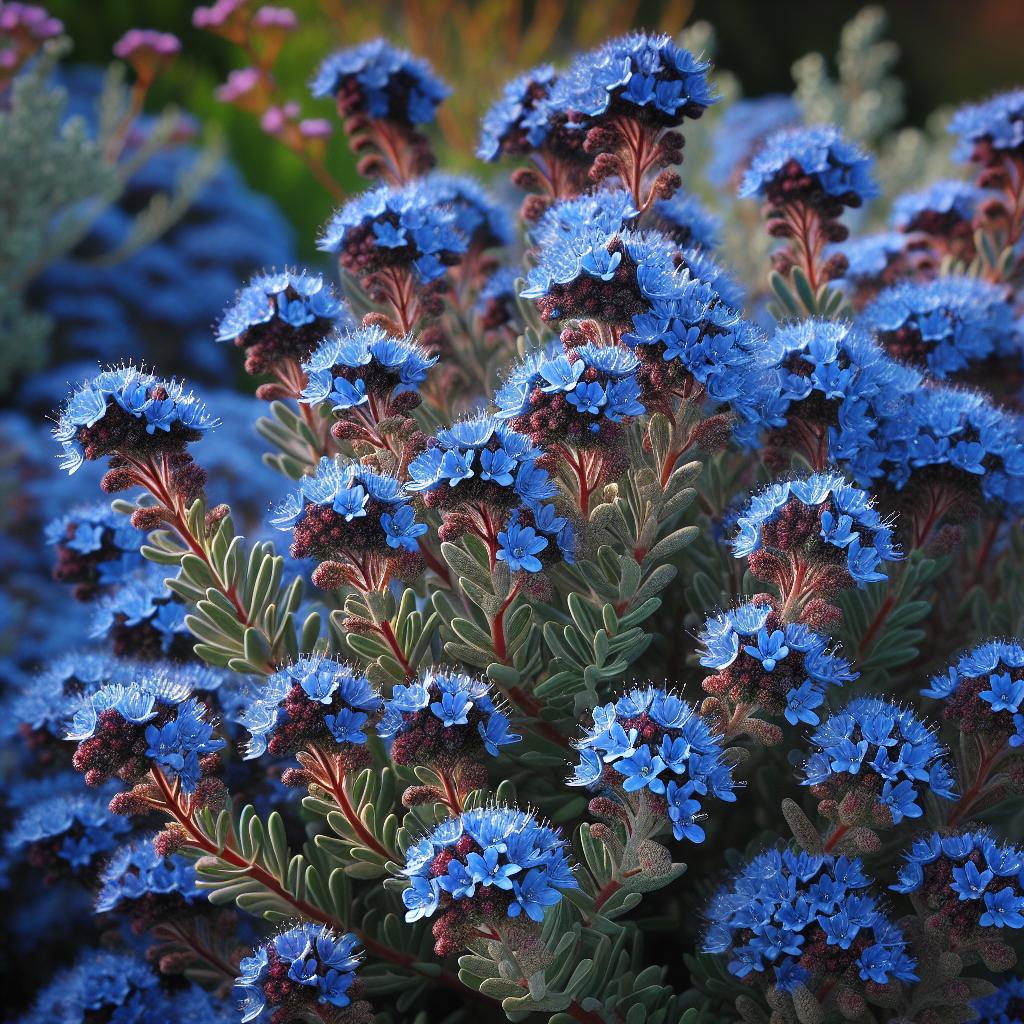
Is Ceanothus thyrsiflorus Toxic to Dogs and Cats?
Safe
### Safety Information for Pets **Ceanothus thyrsiflorus**, commonly known as California-lilac or blueblossom, is generally considered non-toxic to pets. However, it's always best to prevent pets from chewing on or ingesting any ornamental plants, as individual reactions can vary, and some plants may have parts that could cause mild gastrointestinal upset. ### Detailed Information #### **Scientific Name**: Ceanothus thyrsiflorus #### **Common Names**: - California-lilac - Blueblossum - Blue blossom ceanothus - Blue Brush - Blueblossom - Céanothe à fleurs en thyrse - Lilas de Californie #### **Family**: Rhamnaceae #### **Plant Type**: Shrub #### **Description**: Ceanothus thyrsiflorus is an evergreen shrub that can grow to a height of 6-20 feet (1.8-6 meters) and spread about 10-15 feet (3-4.5 meters). The plant has a dense, bushy growth habit, making it an excellent choice for hedges or screening. #### **Leaves**: The leaves are dark green, glossy, and typically 1-2 inches (2.5-5 cm) long. They have an alternate arrangement and an ovate shape with finely serrated edges. #### **Flowers**: The flowers are one of the most striking features of Ceanothus thyrsiflorus. They appear in dense clusters (panicles) and come in varying shades of blue, from light sky blue to deep cobalt. The blooming period usually occurs in late spring to early summer, although it can vary depending on the climate. #### **Fruit**: The plant produces small, three-lobed capsules that contain seeds. These capsules are typically not ornamental and may go unnoticed. #### **Habitat**: Ceanothus thyrsiflorus is native to the coastal regions of California and southern Oregon. It thrives in well-drained soils and is often found in chaparral, coastal scrub, and open woodland habitats. #### **Cultivation**: - **Soil**: Prefers well-drained soils but can tolerate a range of soil types, including sandy and clay soils. - **Sunlight**: Requires full sun to light shade. - **Water**: Drought-tolerant once established, although it appreciates occasional deep watering during prolonged dry periods. - **Pruning**: Prune to shape after flowering. Avoid heavy pruning into old wood, as this can inhibit new growth. - **Propagation**: Can be propagated by seed or semi-hardwood cuttings. #### **Uses**: - **Ornamental**: Widely used in gardens and landscapes for its attractive foliage and vibrant flowers. - **Erosion Control**: Its dense root system makes it suitable for stabilizing slopes and controlling erosion. - **Wildlife**: Attracts bees, butterflies, and other pollinators. Birds may use the shrub for cover and nesting. #### **Pests and Diseases**: Generally resistant to pests and diseases. However, it can occasionally be affected by scale insects or aphids. Proper garden hygiene and occasional monitoring can help prevent serious infestations. ### Summary Ceanothus thyrsiflorus, or California-lilac, is a versatile and attractive shrub known for its stunning blue flowers and glossy green leaves. It's a low-maintenance plant that is drought-tolerant and beneficial for wildlife, making it a popular choice for gardens and landscapes. While it is non-toxic to pets, it's always prudent to supervise pets around ornamental plants to prevent unintended ingestion.
⚠️ Think your pet ate Ceanothus thyrsiflorus?
Get a personalized safety assessment now.
What To Do If Your Pet Ate Ceanothus thyrsiflorus
Stay calm and remove your pet from the source
Contact your veterinarian immediately
Call ASPCA Poison Control: (888) 426-4435
Be honest — you won't remember this article at 2am when your pet eats something.
Skip the Googling next time. Scan Ceanothus thyrsiflorus (or anything else) in ToxiPets and get an instant answer personalized to your pet's weight and breed.