
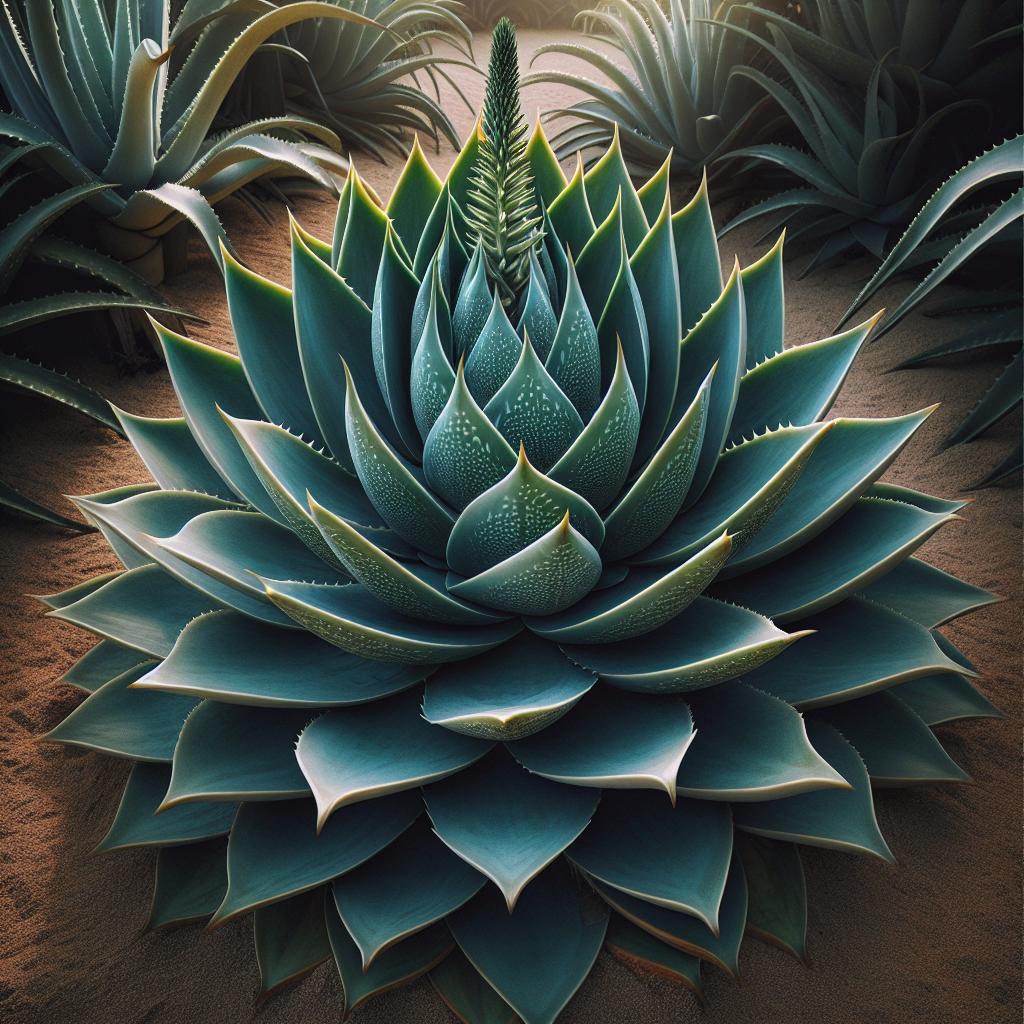
Is Aloe vera Toxic to Dogs and Cats?
Toxic - Danger
This can be dangerous at any amount. Contact your veterinarian or poison control immediately if your pet is exposed.
### Aloe vera: Detailed Plant Information #### Safety Information for Pets - **Toxicity**: Aloe vera is toxic to both cats and dogs. The plant contains compounds called saponins and anthraquinones, which can cause various symptoms if ingested by pets. - **Symptoms of Toxicity**: Ingestion can lead to vomiting, diarrhea, lethargy, anorexia, tremors, and changes in urine color. If you suspect your pet has eaten any part of an Aloe vera plant, it's important to contact your veterinarian immediately. #### General Information - **Scientific Name**: Aloe vera - **Common Names**: Aloès vrai, Aloès des Barbades, Jaffarabad aloe, Mediterranean aloe, Curaçao aloe, Aloës, Barbados Aloe, Aloès vrai, Aloès amer, Mazambron, Aloès curaçao, Aloès des Barbades, Aloès vulgaire, acibar, Barbados aloe, Indian aloe, West Indian aloe, Sakoankankini, Aloès vrai, Aloès curaçao, Aloès des Barbades, Aloès vulgaire, Chizia mlili - **Family**: Aloaceae - **Plant Type**: Succulent #### Description - **Origin**: Aloe vera is believed to have originated in the Arabian Peninsula but has been widely naturalized around the world. It thrives in tropical, semi-tropical, and arid climates. - **Leaves**: The plant is characterized by its thick, fleshy, green to grey-green leaves. The leaves are edged with small white teeth or spines. - **Size**: Aloe vera can grow up to 24-39 inches (60-100 cm) in height, with the leaves themselves reaching lengths of up to 18-24 inches (45-60 cm). - **Flowers**: It produces yellow tubular flowers on a spike that can rise well above the foliage, typically blooming in the summer. #### Growing Conditions - **Light**: Prefers bright, indirect sunlight but can tolerate direct sun with acclimation. Indoors, it should be placed near a sunny window. - **Soil**: Requires well-draining soil, ideally a cactus or succulent mix. It can also be grown in sandy soil. - **Water**: Aloe vera is drought-tolerant and should be watered sparingly. Allow the soil to dry out completely between waterings to prevent root rot. - **Temperature**: Thrives in temperatures between 55°F to 80°F (13°C to 27°C). It is not frost-tolerant and should be protected from freezing temperatures. - **Humidity**: Prefers low to moderate humidity and does not require additional humidity. #### Uses - **Medicinal**: Aloe vera is well-known for its medicinal properties. The gel inside its leaves is commonly used to treat burns, cuts, and skin irritations. It also has moisturizing and anti-inflammatory properties. - **Cosmetic**: Widely used in skincare and haircare products for its hydrating and soothing effects. - **Ornamental**: Popular as a houseplant due to its low maintenance and attractive appearance. #### Care Tips - **Propagation**: Can be easily propagated by removing offsets or "pups" that grow at the base of the plant and replanting them. - **Pests/Diseases**: Generally pest-resistant, but can occasionally be affected by mealybugs or scale. Overwatering can lead to root rot and fungal infections. #### Special Considerations - **Handling**: When harvesting the gel from Aloe vera leaves, be cautious of the yellow latex found just under the leaf skin, which can be irritating to the skin and has laxative properties if ingested. By providing a safe environment for your pets and following proper care guidelines, Aloe vera can be a beautiful and useful addition to your home or garden.
⚠️ Think your pet ate Aloe vera?
Get a personalized safety assessment now.
What To Do If Your Pet Ate Aloe vera
Stay calm and remove your pet from the source
Contact your veterinarian immediately
Call ASPCA Poison Control: (888) 426-4435
Be honest — you won't remember this article at 2am when your pet eats something.
Skip the Googling next time. Scan Aloe vera (or anything else) in ToxiPets and get an instant answer personalized to your pet's weight and breed.