
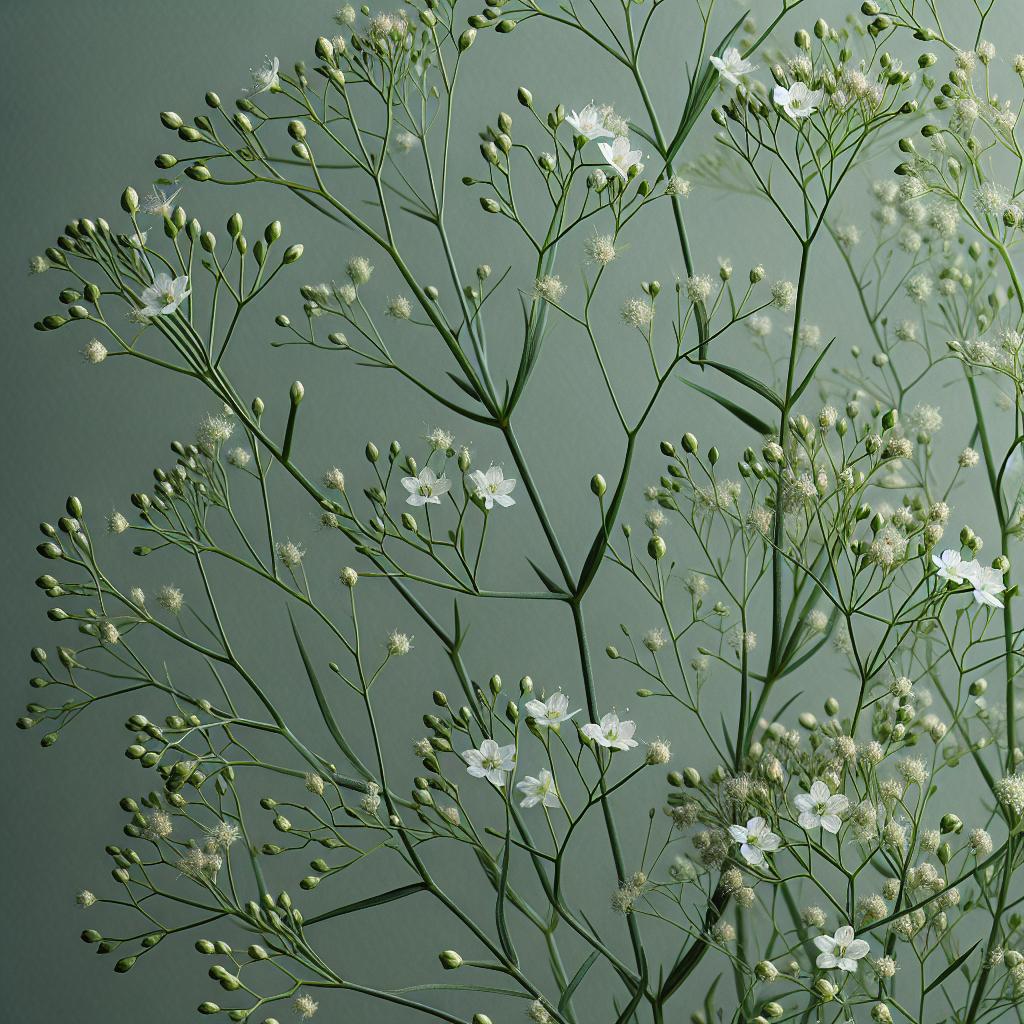
Is Gypsophila oldhamiana Toxic to Dogs and Cats?
Caution - Use Care
Generally safe in small amounts, but harmful in excess. Monitor your pet and consult your vet if concerned.
### Gypsophila oldhamiana (Oldham's Babysbreath) #### Safety Information for Pets: - **Toxicity**: Gypsophila oldhamiana, like other species of baby's-breath, contains saponins, which can be mildly toxic to pets, including cats and dogs. Ingesting the plant may cause gastrointestinal upset such as vomiting and diarrhea. It is advisable to keep this plant out of reach of pets to avoid potential health issues. #### General Description: - **Scientific Name**: Gypsophila oldhamiana - **Common Names**: Oldham's babysbreath, 대나물, chang rui shi tou hua, Oldham's baby's-breath, Manchurian baby’s-breath, Manchurian baby's-breath, silverslöja - **Family**: Caryophyllaceae - **Plant Type**: Flower #### Morphological Characteristics: - **Growth Habit**: Gypsophila oldhamiana is a perennial herb that typically grows in a clumping habit. It is known for its delicate and airy appearance with fine, branching stems. - **Height and Spread**: This plant can reach heights of about 30-60 cm (12-24 inches) and has a similar spread. - **Leaves**: The leaves are linear to lanceolate, often greyish-green in color, and are arranged oppositely along the stems. - **Flowers**: The plant produces small, star-shaped flowers that are usually white or pink. These flowers are borne in large, loose, branching clusters (panicles) and have a delicate, airy appearance. #### Habitat and Cultivation: - **Native Range**: Gypsophila oldhamiana is native to parts of East Asia, including Korea, China, and Japan. - **Soil Requirements**: It prefers well-drained soils and can tolerate poor, sandy soils. It thrives in neutral to slightly alkaline soil conditions. - **Sunlight**: This plant grows best in full sun but can tolerate partial shade. - **Watering**: Moderate watering is required. The soil should be kept moist but not waterlogged; it is relatively drought-tolerant once established. - **Hardiness Zones**: Gypsophila oldhamiana is hardy in USDA zones 3 to 9. #### Uses and Applications: - **Garden Use**: Oldham's babysbreath is popular in garden borders, rock gardens, and as a ground cover. Its delicate flowers are often used to add a light, airy texture to garden compositions. - **Cut Flowers**: The plant is widely used in the floral industry as a filler in bouquets and floral arrangements due to its long-lasting blooms and attractive appearance. - **Traditional Uses**: In some East Asian cultures, parts of the plant have been used in traditional medicine, although specific uses and efficacy may vary. #### Maintenance: - **Pruning**: Deadheading (removing spent flowers) can encourage more blooms and extend the flowering period. Regular pruning of dead or damaged stems helps maintain the plant's shape and health. - **Propagation**: Gypsophila oldhamiana can be propagated through seeds, cuttings, or division. Seed propagation is common and should be started indoors before the last frost or sown directly into the garden soil after the danger of frost has passed. #### Additional Notes: - **Companion Plants**: This plant pairs well with other sun-loving perennials and annuals, such as roses, lavender, and salvia, which complement its delicate flowers. - **Pest and Disease Resistance**: Gypsophila oldhamiana is relatively resistant to pests and diseases but should be monitored for common garden issues such as aphids and powdery mildew. By considering the above information, gardeners and pet owners can make informed decisions about incorporating Gypsophila oldhamiana into their landscapes while ensuring the safety and well-being of their pets.
⚠️ Think your pet ate Gypsophila oldhamiana?
Get a personalized safety assessment now.
What To Do If Your Pet Ate Gypsophila oldhamiana
Stay calm and remove your pet from the source
Contact your veterinarian immediately
Call ASPCA Poison Control: (888) 426-4435
Be honest — you won't remember this article at 2am when your pet eats something.
Skip the Googling next time. Scan Gypsophila oldhamiana (or anything else) in ToxiPets and get an instant answer personalized to your pet's weight and breed.