
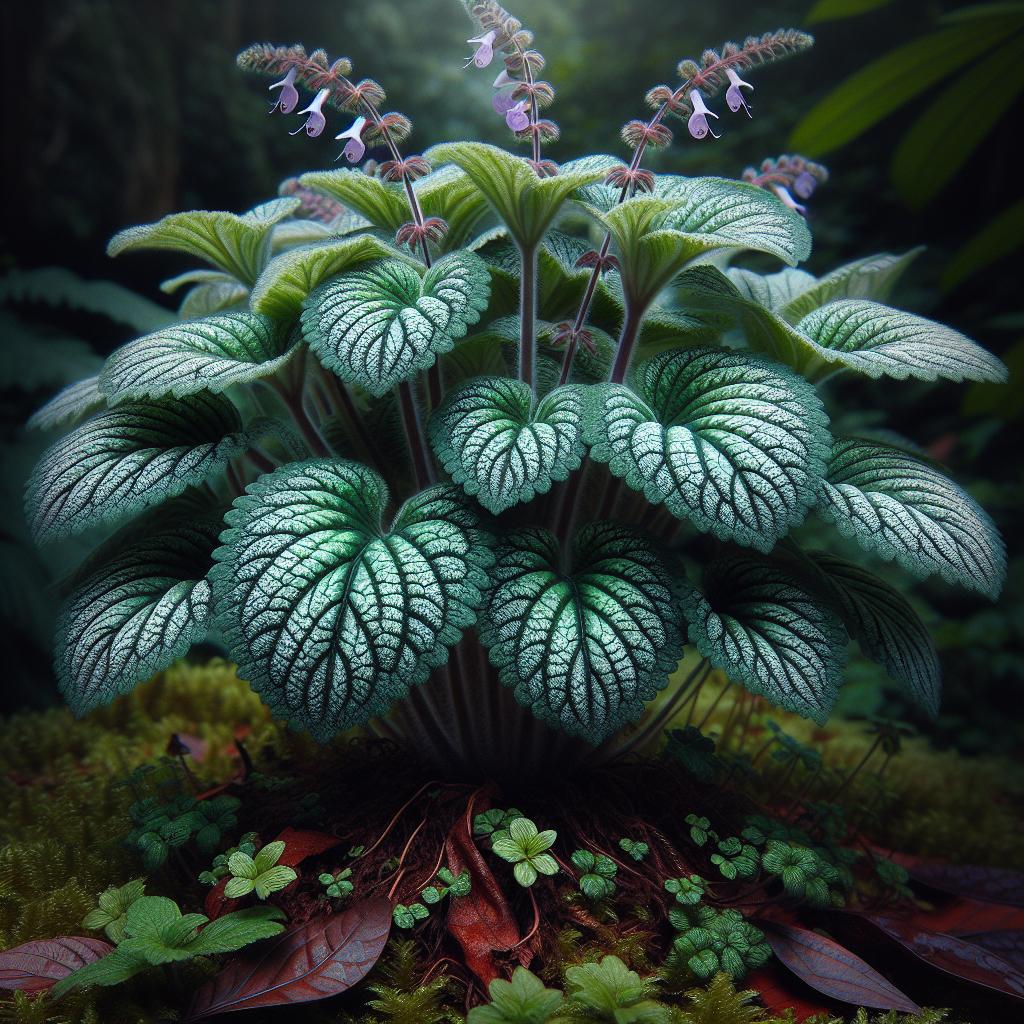
About Plectranthus verticillatus
### Safety Information for Pets **Plectranthus verticillatus**, commonly known as Whorled Plectranthus, is generally considered non-toxic to pets such as cats and dogs. However, as with any plant, it is advisable to monitor the interaction between your pets and the plant. Some animals may have individual sensitivities, and ingesting large quantities of any plant material can potentially cause gastrointestinal upset. ### General Information **Scientific Name**: Plectranthus verticillatus **Common Names**: Whorled Plectranthus **Family**: Lamiaceae **Plant Type**: Herb ### Description Plectranthus verticillatus is a perennial herb with a trailing growth habit, making it an excellent choice for hanging baskets or as ground cover. It is part of the Lamiaceae family, which includes aromatic herbs like mint and basil. #### Leaves - **Shape**: The leaves are ovate to heart-shaped with scalloped edges. - **Color**: They are typically bright green but can have a slightly glossy appearance. The undersides of the leaves may have a purplish tint. - **Texture**: The leaves are fleshy and slightly hairy, contributing to their attractive texture. #### Flowers - **Bloom Time**: Generally, Plectranthus verticillatus blooms in late summer to early fall. - **Color**: The flowers are small and tubular, usually white or pale lavender. - **Arrangement**: The flowers are arranged in whorls, hence the common name "Whorled Plectranthus." ### Growing Conditions #### Light Plectranthus verticillatus prefers bright, indirect light but can tolerate lower light conditions. Direct sunlight can scorch the leaves, so filtered light is ideal. #### Watering - **Frequency**: Water the plant moderately, allowing the soil to dry out between waterings. - **Method**: Ensure good drainage to prevent root rot. The plant is somewhat drought-tolerant but performs best with consistent moisture. #### Soil - **Type**: Well-draining soil is essential. A standard potting mix with added perlite or sand works well. - **pH**: It prefers slightly acidic to neutral soil (pH 6.0 to 7.0). #### Temperature and Humidity - **Temperature**: The plant thrives in temperatures between 60-75°F (15-24°C). It is not frost-tolerant and should be brought indoors if temperatures drop below 50°F (10°C). - **Humidity**: Plectranthus verticillatus appreciates moderate humidity but is relatively adaptable to average household conditions. ### Care and Maintenance - **Pruning**: Regular pruning helps maintain a compact shape and encourages bushier growth. Pinch back the stems to promote branching. - **Fertilization**: Feed with a balanced, water-soluble fertilizer every 4-6 weeks during the growing season (spring and summer). Reduce feeding in the fall and winter. - **Pests and Diseases**: Generally, it is a hardy plant with few pest issues. However, it can occasionally attract aphids, mealybugs, or spider mites. Treat any infestations promptly with insecticidal soap or neem oil. ### Propagation Plectranthus verticillatus is easy to propagate through stem cuttings. Cut a healthy stem just below a node, remove the lower leaves, and place the cutting in water or moist soil. Roots should develop within a few weeks. ### Uses This plant is primarily grown for ornamental purposes. Its attractive foliage and trailing habit make it an excellent choice for hanging baskets, containers, or as ground cover in shaded gardens. It can also be grown indoors as a houseplant. By following these care guidelines, you can enjoy the beauty and versatility of Plectranthus verticillatus in your home or garden, all while ensuring the safety of your furry friends.
Be honest — you won't remember this article at 2am when your pet eats something.
Skip the Googling next time. Scan Plectranthus verticillatus (or anything else) in ToxiPets and get an instant answer personalized to your pet's weight and breed.