
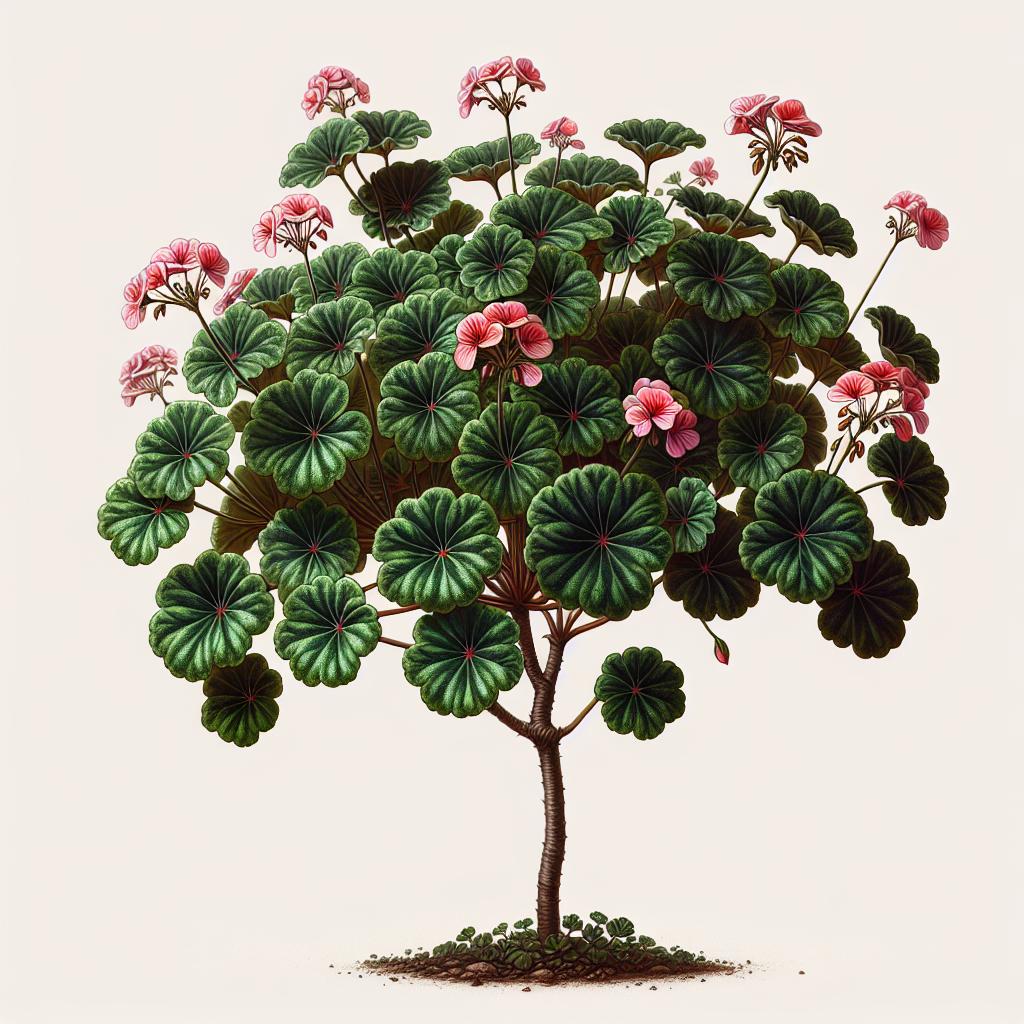
About Pelargonium zonale
### Pelargonium zonale (Horseshoe Geranium) #### Safety Information for Pets: Pelargonium zonale, commonly known as the Horseshoe Geranium, is **toxic to pets**, including dogs and cats. Ingestion of any part of the plant can cause symptoms such as vomiting, loss of appetite, depression, and dermatitis. It is advisable to keep this plant out of reach of curious pets to prevent accidental ingestion. #### General Description: - **Scientific Name**: Pelargonium zonale - **Common Names**: Géranium, horseshoe geranium, Horseshoe Geranium, Geranio rosado, Horseshoe geranium, Pélargonium zonal, Géranium zonal, Géranium à feuilles zonées, gerânio, Zonierte Pelargonie, 무늬제라늄, wilde malva, horseshoe pelargonium - **Family**: Geraniaceae - **Plant Type**: Flower #### Morphology: - **Leaves**: The leaves are typically rounded with a distinct horseshoe-shaped, dark-colored zone or band, which is the origin of the common name "horseshoe geranium." The leaves are slightly hairy and have a somewhat aromatic scent when crushed. - **Flowers**: The flowers of Pelargonium zonale are vibrant and come in a range of colors including red, pink, white, salmon, and bi-colored. They are typically borne in clusters and are quite showy, making them popular in ornamental gardening. - **Stems**: The stems are succulent and can store water, an adaptation to their native South African environment. #### Growth and Care: - **Light**: Prefers full sun to partial shade. In very hot climates, some afternoon shade can help prevent leaf scorch. - **Soil**: Well-drained soil is essential. They do well in a mix of garden soil and compost. - **Watering**: Requires moderate watering. The soil should be allowed to dry out between waterings to prevent root rot. Overwatering is a common problem. - **Temperature**: Thrives in warm temperatures and is frost-sensitive. Ideal temperatures range from 60-75°F (15-24°C). - **Fertilization**: Regular feeding with a balanced, water-soluble fertilizer during the growing season (spring and summer) will promote vigorous growth and abundant flowering. - **Pruning**: Deadheading spent flowers and occasionally pinching back stems can encourage bushier growth and more blooms. #### Propagation: - **Cuttings**: The most common method of propagation is through stem cuttings taken in the spring or early summer. Cuttings should be allowed to callous over before planting in well-draining soil. - **Seeds**: While less common, they can also be grown from seeds sown in a warm, bright location. #### Uses: - **Ornamental**: Primarily used as an ornamental plant in gardens, containers, window boxes, and hanging baskets due to its colorful and profuse blooms. - **Traditional Medicine**: In some cultures, parts of the plant have been used for their purported medicinal properties, although this is not widely endorsed or recommended due to the plant's toxicity. #### Pests and Problems: - **Common Pests**: Aphids, spider mites, and whiteflies can be problematic. Regular inspection and appropriate pest control measures, such as insecticidal soap, can help manage these pests. - **Diseases**: Susceptible to fungal diseases like botrytis (gray mold) and rust, especially in humid conditions. Proper spacing and good air circulation can help prevent these issues. ### Summary: Pelargonium zonale, or Horseshoe Geranium, is a vibrant and popular ornamental plant valued for its colorful flowers and distinctive foliage. However, it poses a toxicity risk to pets, so caution should be exercised to ensure it is kept out of reach of animals. With proper care, including appropriate watering, feeding, and pest management, Horseshoe Geraniums can be a beautiful addition to gardens and indoor spaces.
Be honest — you won't remember this article at 2am when your pet eats something.
Skip the Googling next time. Scan Pelargonium zonale (or anything else) in ToxiPets and get an instant answer personalized to your pet's weight and breed.