
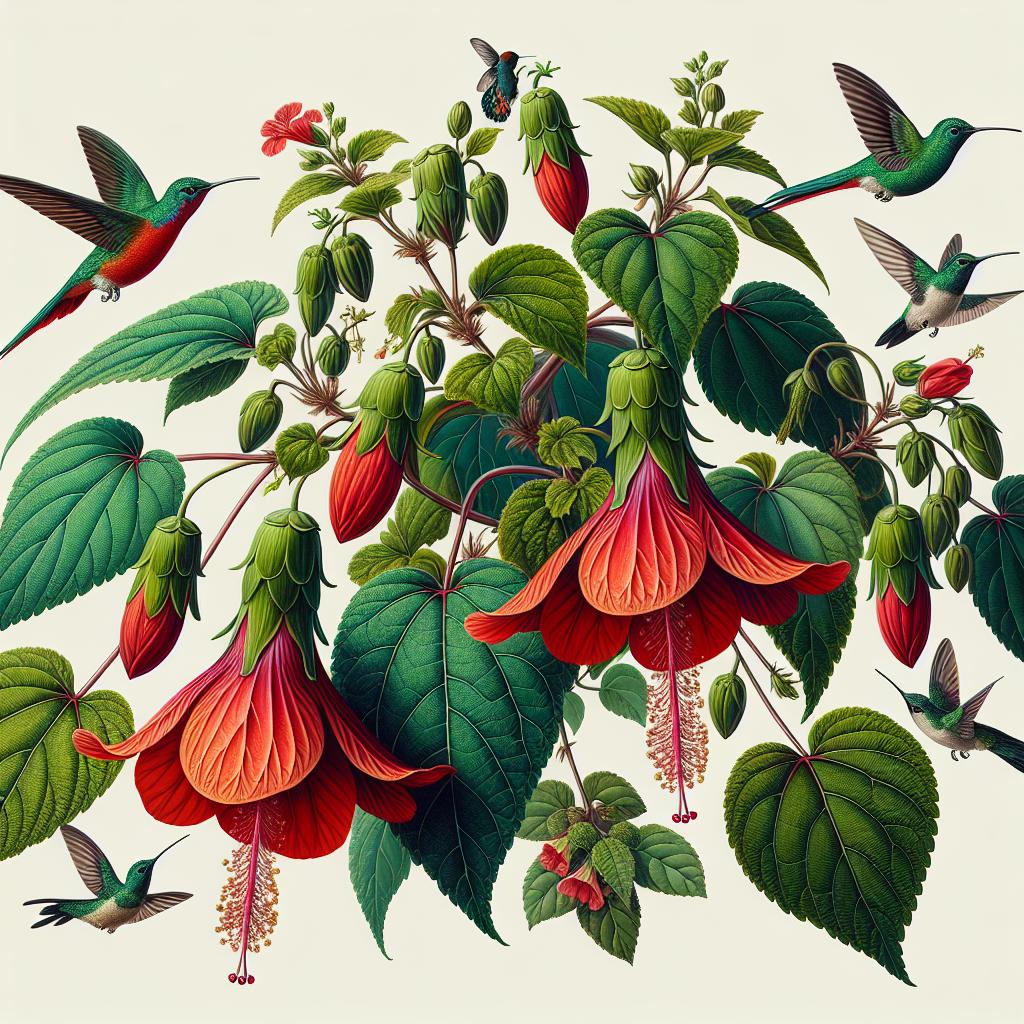
About Malvaviscus penduliflorus
### Safety Information for Pets **Toxicity**: Malvaviscus penduliflorus, commonly known as the Sleeping Hibiscus or Turk's Cap, is generally considered non-toxic to pets, including cats and dogs. However, it's always advisable to prevent pets from ingesting large quantities of any plant material, as this can sometimes lead to gastrointestinal upset. ### Detailed Plant Information **Scientific Name**: Malvaviscus penduliflorus **Common Names**: Mazapan, tulipán, Datwan, Christmas Flower, Sleeping hibiscus, molinillo, Hibiscus dormeur, mazapan, Turk's hat, Turk's cap, Cardinal's hat, Sleeping hibiscus, Pendulous sleeping Hibiscus, Mazapan, Firecracker Hibiscus, Sleeping Hibiscus (Trinidad & Tobago), Abutilon Espana, Pepper hibiscus, Mar serena, Pasiflora, monacillo colorado **Family**: Malvaceae **Plant Type**: Shrub #### Description Malvaviscus penduliflorus is an evergreen shrub that typically grows to a height of 4 to 10 feet (1.2 to 3 meters). It is well-known for its distinctive pendulous flowers that resemble a sleeping hibiscus, hence the common name. The flowers are usually bright red but can vary in color, and they remain closed or slightly open, giving them a unique, twisted appearance. #### Leaves The leaves are simple, alternate, and ovate to lanceolate in shape. They are typically green and have a slightly serrated margin. The texture of the leaves is somewhat rough, and they can grow to about 2 to 4 inches (5 to 10 cm) in length. #### Flowers The flowers are the standout feature of this plant. They are pendulous and tubular, with petals that are twisted and never fully open. The flowers are typically bright red, attracting hummingbirds and other pollinators. Blooming can occur year-round in tropical and subtropical climates, but it may be more prolific during certain seasons depending on local conditions. #### Fruits The fruit is a small, fleshy, red berry that is edible but not commonly consumed. It is sometimes used in traditional medicine. #### Growing Conditions - **Light**: Prefers full sun to partial shade. In hotter climates, some afternoon shade can help prevent leaf scorch. - **Soil**: Thrives in well-drained soil, rich in organic matter. It is adaptable to a range of soil types but prefers slightly acidic to neutral pH. - **Water**: Requires regular watering, especially during dry periods. However, it is somewhat drought-tolerant once established. - **Temperature**: Prefers warm, tropical to subtropical climates. It is not frost-tolerant and should be protected or brought indoors in colder regions. - **Humidity**: Prefers high humidity but can tolerate lower levels if properly watered. #### Care and Maintenance - **Pruning**: Regular pruning helps maintain the shape and encourages bushier growth. Remove any dead or diseased wood to promote healthy growth. - **Fertilization**: Feed with a balanced fertilizer during the growing season to encourage vigorous growth and flowering. - **Pests and Diseases**: Generally resistant to most pests and diseases, but watch for common issues like aphids, spider mites, and fungal infections. Treat as necessary with appropriate organic or chemical controls. #### Uses - **Ornamental**: Widely used in gardens and landscapes for its attractive flowers and foliage. Suitable for hedges, borders, and as a specimen plant. - **Traditional Medicine**: In some cultures, parts of the plant are used in traditional remedies. However, scientific validation of these uses is limited. - **Wildlife**: Attracts pollinators such as hummingbirds and butterflies, making it a valuable addition to wildlife gardens. ### Summary Malvaviscus penduliflorus is a versatile and attractive shrub that can enhance any garden with its unique flowers and lush foliage. While it is generally safe for pets, it is always wise to monitor interactions to prevent any potential issues. With proper care, this plant can thrive and bring beauty to your outdoor space year-round.
Be honest — you won't remember this article at 2am when your pet eats something.
Skip the Googling next time. Scan Malvaviscus penduliflorus (or anything else) in ToxiPets and get an instant answer personalized to your pet's weight and breed.