
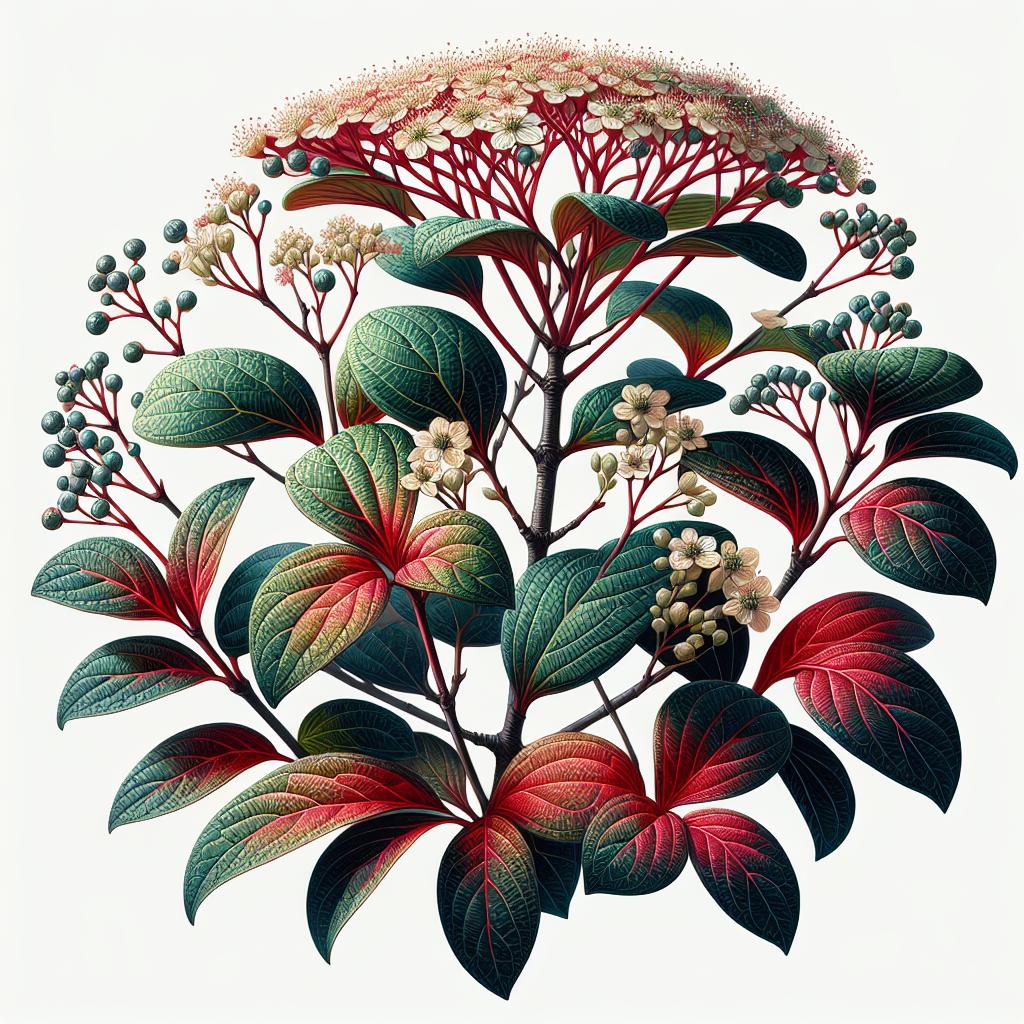
About Cornus alba
### Safety Information for Pets Cornus alba (Tartarian Dogwood) is generally considered non-toxic to pets, including cats, dogs, and horses. However, while it is not known to be harmful, it is always best to monitor pets closely if they interact with any plants and to consult a veterinarian if you notice any unusual behavior or symptoms. ### Detailed Information #### **Scientific Name**: Cornus alba #### **Common Names**: - Tartarian Dogwood - Tatarian dogwood - White Dogwood - Dereń biały - Hvid kornel - Cornos-branco - Red-bark dogwood - Cornouiller blanc - Koral-kornel - Tatarischer Hartriegel - Siberian Dogwood #### **Plant Type**: Shrub #### **Description**: Cornus alba is a deciduous shrub known for its striking red stems, particularly noticeable in winter when the leaves have fallen. It is a member of the Cornaceae family and is prized for its ornamental value, especially in winter gardens. #### **Size**: - **Height**: Typically grows between 5 to 12 feet (1.5 to 3.6 meters). - **Spread**: Can spread about the same width as its height, from 5 to 12 feet. #### **Leaves**: - **Shape**: Simple, opposite leaves. - **Color**: Medium to dark green in summer, turning to shades of red, purple, or orange in the fall. - **Size**: Oval to lanceolate, approximately 2-4 inches long. #### **Flowers**: - **Bloom Time**: Late spring to early summer. - **Description**: Small, creamy-white flowers that are borne in flat-topped clusters (cymes). - **Size**: Each flower is about 1/4 inch across. #### **Fruits**: - **Type**: Berry-like drupes. - **Color**: White to bluish-white. - **Time**: Appear in late summer to early fall. - **Note**: While not toxic, the fruits are not considered particularly palatable for humans but are eaten by some bird species. #### **Bark**: - **Color**: Bright red or red-purple, especially vivid in winter. - **Texture**: Smooth on young stems, becoming slightly rougher with age. #### **Habitat**: - **Native Range**: Native to Siberia, northern China, Korea, and Japan. - **Preferred Conditions**: Thrives in a variety of conditions but prefers moist, well-drained soils. It can tolerate partial shade to full sun. #### **Cultivation**: - **USDA Hardiness Zones**: 3-7. - **Soil**: Adaptable to different soil types but prefers moist, fertile soil. - **Watering**: Requires regular watering, especially in dry periods. - **Pruning**: Prune in late winter to early spring to encourage new stem growth and maintain the bright red color of the younger stems. #### **Landscape Uses**: - Often used for hedging, borders, and as a specimen plant. - Excellent for adding winter interest due to its colorful stems. - Can be used in erosion control on slopes due to its extensive root system. #### **Pests and Diseases**: - Generally resistant to pests and diseases but can occasionally be affected by leaf spot, powdery mildew, and canker. - Aphids and scale insects may sometimes be a problem. #### **Propagation**: - Typically propagated by cuttings or layering. - Can also be propagated by seed, although this method is less common. ### Summary: Cornus alba, or Tartarian Dogwood, is a versatile and hardy shrub well-suited to a variety of landscapes. Its vibrant red stems provide a striking contrast in winter gardens, and its ease of cultivation makes it a popular choice among gardeners. While it is generally safe for pets, it is always wise to keep an eye on your animals when they are around garden plants.
Be honest — you won't remember this article at 2am when your pet eats something.
Skip the Googling next time. Scan Cornus alba (or anything else) in ToxiPets and get an instant answer personalized to your pet's weight and breed.