
About Ceropegia woodii
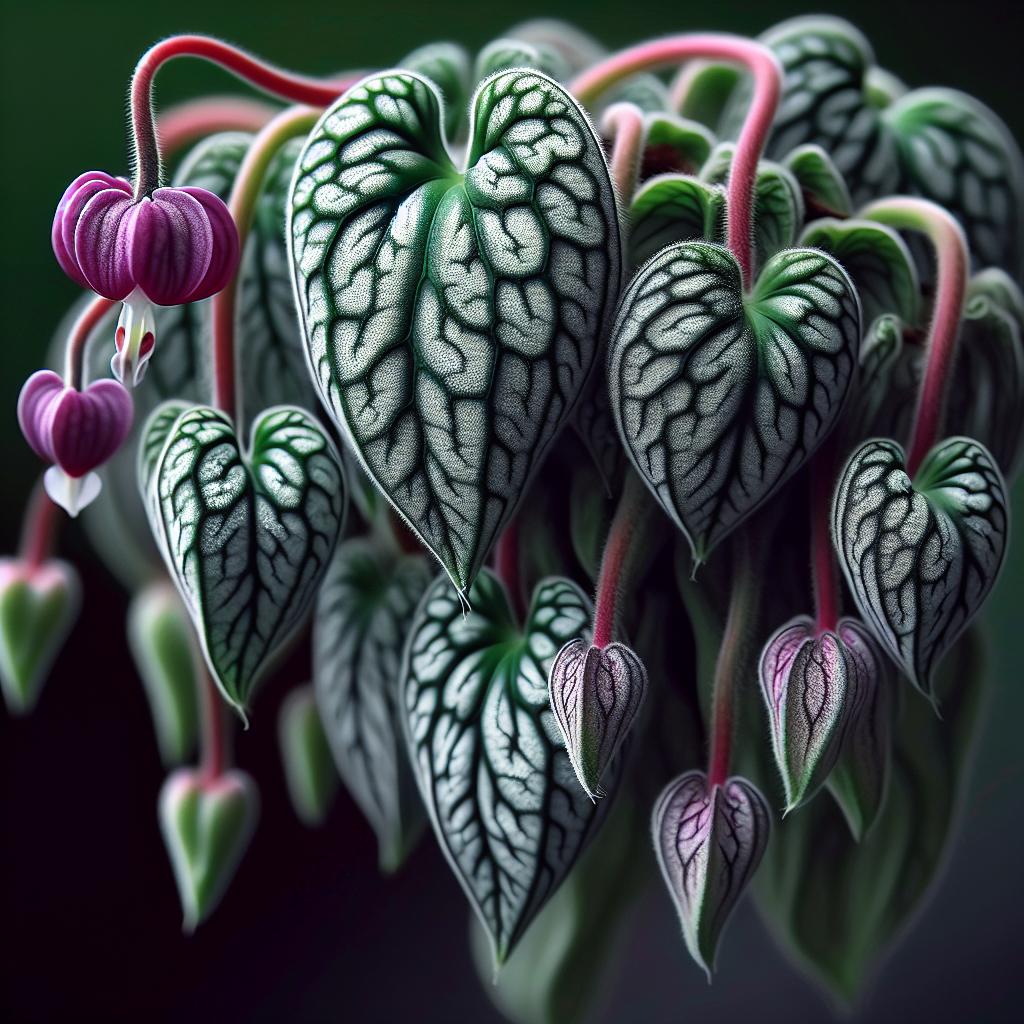
Certainly! Here is detailed information on **Ceropegia woodii**: ### Safety Information for Pets - **Toxicity**: Ceropegia woodii is generally considered non-toxic to pets, including cats and dogs. However, it is always prudent to prevent pets from chewing on or ingesting any houseplants to avoid any potential digestive upset or other health issues. ### Detailed Plant Description - **Scientific Name**: Ceropegia woodii - **Common Names**: Céropégie de Wood, hearts entangled, cordas-do-coração, coração-emaranhado, ceropégia - **Family**: Asclepiadaceae - **Plant Type**: Vine #### Physical Description - **Leaves**: The leaves of Ceropegia woodii are small, heart-shaped, and typically green with silver variegation. The undersides of the leaves may have a purplish tint, adding to the plant's ornamental appeal. - **Stems**: The plant has slender, trailing stems that can grow several feet long. These stems are often purple or dark green and are delicate yet robust. - **Flowers**: Ceropegia woodii produces small, tubular flowers that are unique and intricate in appearance. The flowers are typically pale pink with darker purple or maroon markings and have a lantern-like shape. - **Roots**: This plant develops tuberous roots, which can store water and nutrients, helping it survive periods of drought. #### Growth and Care Requirements - **Light**: Ceropegia woodii prefers bright, indirect light but can tolerate some direct sunlight. It can also adapt to lower light conditions, though its growth may slow. - **Watering**: Water the plant moderately, allowing the soil to dry out between waterings. Overwatering can lead to root rot, so it's crucial to ensure the soil is well-draining. - **Soil**: Use a well-draining potting mix, such as a cactus or succulent mix. Adding perlite or sand can improve drainage. - **Temperature**: This plant thrives in warm temperatures between 65-80°F (18-27°C). It is not frost-tolerant and should be kept away from cold drafts. - **Humidity**: Ceropegia woodii does not require high humidity and can adapt well to average household humidity levels. - **Fertilization**: Feed the plant with a balanced, water-soluble fertilizer during the growing season (spring and summer) every 4-6 weeks. Reduce feeding in the fall and winter. #### Propagation - **Cuttings**: Ceropegia woodii is easily propagated through stem cuttings. Cut a healthy stem with a few nodes and place it in water or moist soil until roots develop. - **Tuber Division**: The plant can also be propagated by dividing the tuberous roots. Gently separate the tubers and plant them in individual pots. #### Common Problems - **Pests**: Keep an eye out for common houseplant pests such as aphids, mealybugs, and spider mites. Treat infestations promptly with insecticidal soap or neem oil. - **Diseases**: Overwatering can lead to root rot. Ensure proper watering habits and good drainage to prevent this issue. ### Additional Notes - **Decorative Use**: Ceropegia woodii is a popular choice for hanging baskets and trailing over shelves due to its delicate, cascading stems and attractive foliage. - **Growth Habit**: It is a relatively slow grower, but with proper care, it can develop into a lush and beautiful vine. By following the proper care guidelines, Ceropegia woodii can be a long-lasting and charming addition to your indoor plant collection.
Be honest — you won't remember this article at 2am when your pet eats something.
Skip the Googling next time. Scan Ceropegia woodii (or anything else) in ToxiPets and get an instant answer personalized to your pet's weight and breed.