
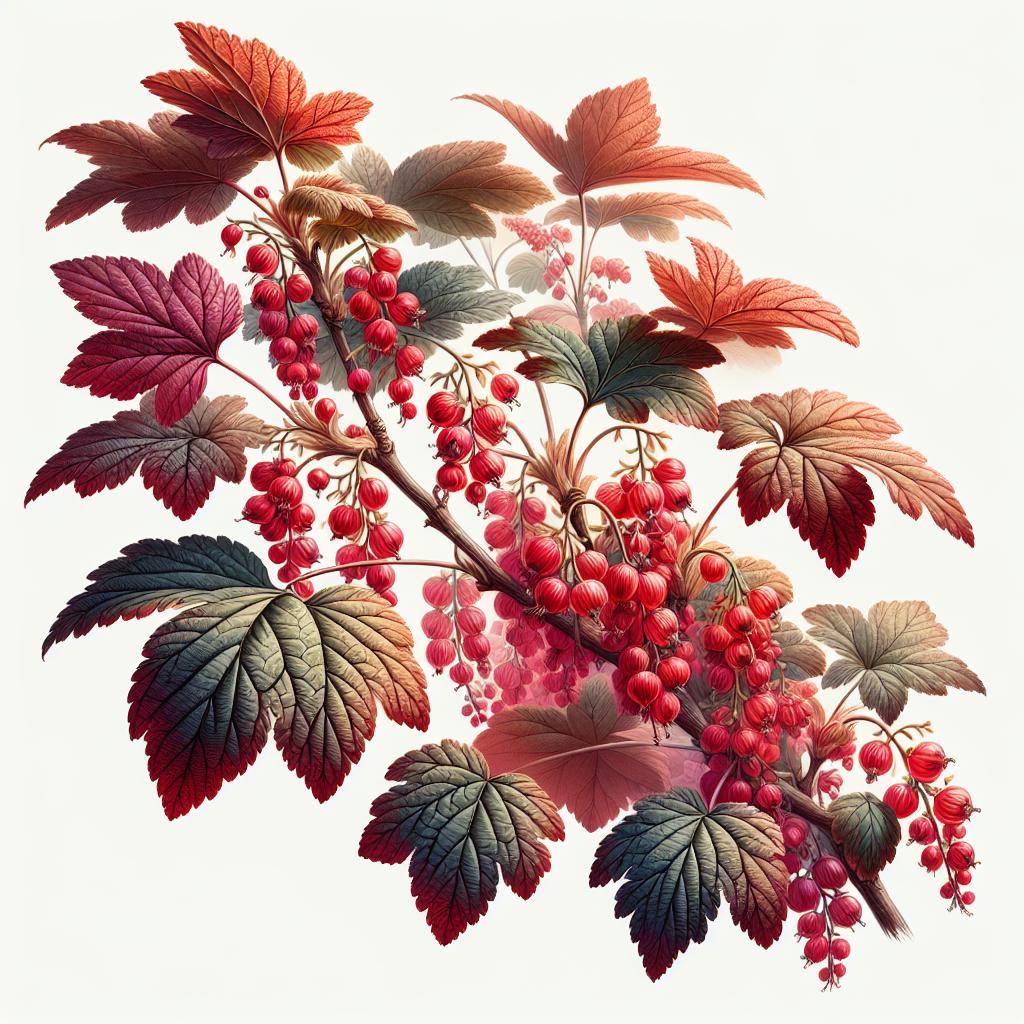
About Ribes sanguineum
### Safety Information for Pets: Ribes sanguineum, commonly known as red-flowering currant or flowering currant, is generally considered non-toxic to pets. However, it's always prudent to prevent pets from ingesting large quantities of any plant material, as individual sensitivities can vary and some parts of plants may cause mild gastrointestinal upset if consumed in large amounts. ### Detailed Plant Description: - **Scientific Name**: Ribes sanguineum - **Common Names**: Blod-ribs, red-flowering currant, Cassis-fleur, Redflower currant, blodrips, Blut-Johannisbeere, groseillier sanguin, flowering currant, Ribes sanguigno, Groseillier sanguin, Flowering Currant - **Family**: Grossulariaceae - **Plant Type**: Shrub ### Botanical Characteristics: - **Origin**: Native to western North America, particularly from California to British Columbia. - **Height and Spread**: Typically grows to a height of 1.5 to 3 meters (5 to 10 feet) with a similar spread. - **Growth Habit**: Deciduous shrub, with a bushy and rounded habit. #### Leaves: - **Shape**: Simple, palmate leaves with 3 to 5 lobes. - **Size**: Approximately 2 to 7 centimeters long. - **Color**: Medium to dark green on the upper surface and paler underneath; turns yellow in autumn before falling. - **Texture**: Rough and slightly hairy. #### Flowers: - **Bloom Time**: Early to mid-spring. - **Color**: Typically deep pink to red, though some cultivars may produce white or pale pink flowers. - **Shape**: Tubular, hanging in clusters (racemes) up to 8 centimeters long. - **Fragrance**: Mildly fragrant, attracting pollinators such as bees and hummingbirds. #### Fruit: - **Type**: Berry. - **Color**: Dark purple to black when ripe. - **Size**: About 1 centimeter in diameter. - **Edibility**: Edible but not particularly palatable; bland and sometimes considered unappetizing. ### Growth Requirements: - **Light**: Prefers full sun to partial shade. - **Soil**: Well-drained soil; adaptable to various soil types but thrives in fertile, loamy soil. - **Water**: Moderate water needs; drought-tolerant once established but benefits from regular watering during prolonged dry periods. - **Maintenance**: Low-maintenance; prune after flowering to shape the shrub and encourage new growth. ### Uses: - **Landscape**: Popular in ornamental gardening for its vibrant spring flowers and attractive foliage. - **Wildlife**: Provides nectar for pollinators and habitat for birds; berries are a food source for various bird species. - **Cultural**: Historically used by indigenous peoples for medicinal purposes and as a food source during times of scarcity. ### Additional Notes: - **Hardiness**: USDA zones 5-10. - **Pests and Diseases**: Generally resistant to pests and diseases, though it can occasionally suffer from powdery mildew or aphid infestations. - **Propagation**: Easily propagated by softwood cuttings in summer or hardwood cuttings in winter. Ribes sanguineum is a hardy and attractive addition to gardens, providing early spring color and supporting local wildlife. While safe for pets, it’s always wise to monitor any plant interactions to ensure their well-being.
Be honest — you won't remember this article at 2am when your pet eats something.
Skip the Googling next time. Scan Ribes sanguineum (or anything else) in ToxiPets and get an instant answer personalized to your pet's weight and breed.