
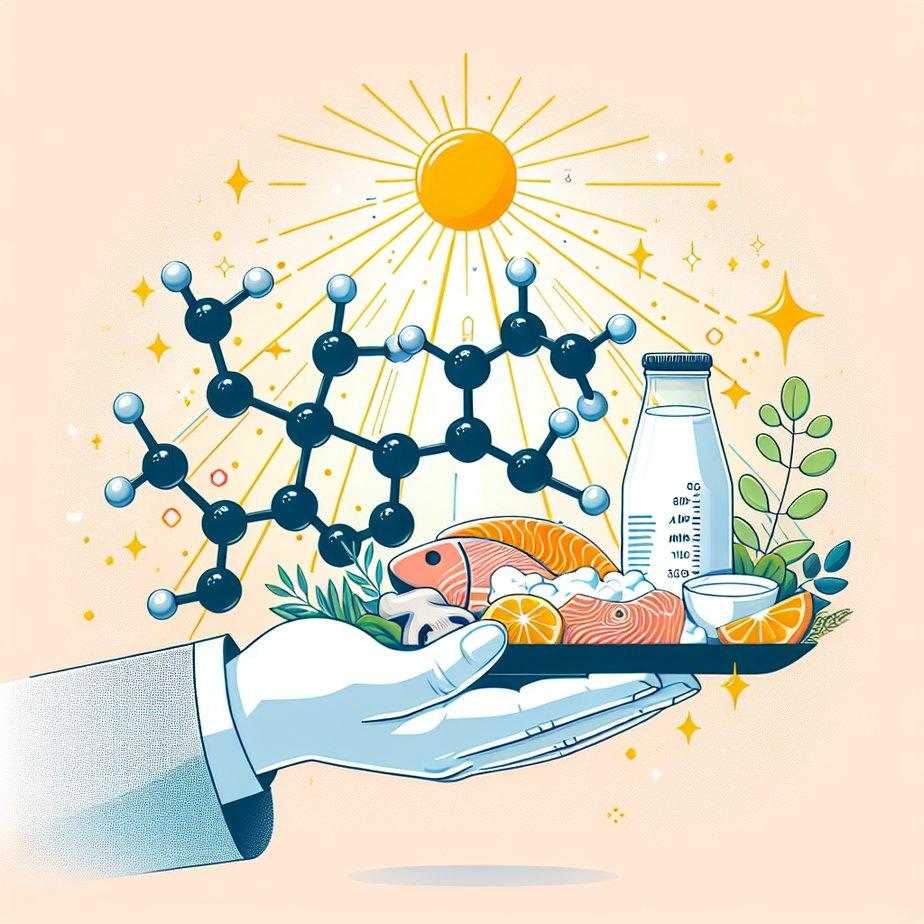
Is VITAMIN D Toxic to Dogs and Cats?
VITAMIN D may be harmful to pets in certain amounts. Vitamin D is a fat-soluble vitamin that is important for maintaining healthy bones and teeth, supporting the immune system, brain, and nervous system, and regulating insulin levels, among other roles. ### Vitamin D in Pet Products #### Uses in Pet Products: 1. **Vitamins & Supplements:** - **Fortified Foods**: Many pet foods are fortified with Vitamin D to ensure a balanced diet. - **Supplements**: Available as individual supplements or part of multi-vitamin formulations to address specific health issues or nutritional deficiencies. 2. **Healthcare:** - **Therapeutic Uses**: Used in managing certain health conditions in pets such as bone disorders and to support overall well-being. - **Preventive Care**: Often included in dietary plans to prevent deficiencies, which can lead to various health problems. ### Applications of Vitamin D 1. **Bone Health**: Essential for calcium and phosphorus absorption, which are critical for strong bones and teeth. 2. **Immune Function**: Helps modulate the immune system, enhancing the body's ability to fight off infections. 3. **Muscle Function**: Necessary for proper muscle function and general cellular health. ### Benefits for Cats and Dogs #### Cats: - **Bone and Joint Health**: Vital for feline skeletal structure; helps prevent conditions like rickets and osteomalacia. - **Immune Support**: Boosts the immune system, aiding in the prevention of diseases. - **Neurological Health**: Plays a role in maintaining cognitive functions and a healthy nervous system. #### Dogs: - **Strong Bones and Teeth**: Ensures proper growth and maintenance of bones and teeth. - **Immune Defense**: Enhances the dog's immune capabilities to fend off various pathogens. - **Cardiovascular Health**: Supports heart health by assisting in the regulation of blood pressure and heart muscle function. ### Toxicity and Risks #### Cats: - **Vitamin D Toxicity (Hypervitaminosis D)**: Cats are particularly sensitive to Vitamin D. Excessive intake can lead to hypercalcemia (too much calcium in the blood), causing kidney failure, heart problems, and even death. - **Symptoms**: Vomiting, diarrhea, increased drinking and urination, loss of appetite, weight loss, and lethargy. #### Dogs: - **Vitamin D Toxicity**: Dogs can also suffer from Vitamin D toxicity, leading to similar symptoms as in cats, such as hypercalcemia. - **Symptoms**: Nausea, vomiting, fever, loss of appetite, increased thirst and urination, weight loss, muscle tremors, seizures, and potential renal failure. ### Proper Dosage: - **For Cats**: The average dietary requirement is about 400 IU/kg of diet. It's important to follow veterinary advice for supplementing Vitamin D. - **For Dogs**: Typically around 500 IU/kg of diet is recommended, but individual needs may vary based on size, age, and health status. Always consult a vet before adding supplements. ### Conclusion While Vitamin D is crucial for overall health in both cats and dogs, it needs to be administered in appropriate doses to avoid toxicity. Pet owners should ensure their pets receive a balanced diet and consult their veterinarians before adding any supplements. Being vigilant about the symptoms of Vitamin D toxicity can help in preventing serious health complications.
Caution - Use Care
Vitamin D is a fat-soluble vitamin that is important for maintaining healthy bones and teeth, supporting the immune system, brain, and nervous system, and regulating insulin levels, among other roles. ### Vitamin D in Pet Products #### Uses in Pet Products: 1. **Vitamins & Supplements:** - **Fortified Foods**: Many pet foods are fortified with Vitamin D to ensure a balanced diet. - **Supplements**: Available as individual supplements or part of multi-vitamin formulations to address specific health issues or nutritional deficiencies. 2. **Healthcare:** - **Therapeutic Uses**: Used in managing certain health conditions in pets such as bone disorders and to support overall well-being. - **Preventive Care**: Often included in dietary plans to prevent deficiencies, which can lead to various health problems. ### Applications of Vitamin D 1. **Bone Health**: Essential for calcium and phosphorus absorption, which are critical for strong bones and teeth. 2. **Immune Function**: Helps modulate the immune system, enhancing the body's ability to fight off infections. 3. **Muscle Function**: Necessary for proper muscle function and general cellular health. ### Benefits for Cats and Dogs #### Cats: - **Bone and Joint Health**: Vital for feline skeletal structure; helps prevent conditions like rickets and osteomalacia. - **Immune Support**: Boosts the immune system, aiding in the prevention of diseases. - **Neurological Health**: Plays a role in maintaining cognitive functions and a healthy nervous system. #### Dogs: - **Strong Bones and Teeth**: Ensures proper growth and maintenance of bones and teeth. - **Immune Defense**: Enhances the dog's immune capabilities to fend off various pathogens. - **Cardiovascular Health**: Supports heart health by assisting in the regulation of blood pressure and heart muscle function. ### Toxicity and Risks #### Cats: - **Vitamin D Toxicity (Hypervitaminosis D)**: Cats are particularly sensitive to Vitamin D. Excessive intake can lead to hypercalcemia (too much calcium in the blood), causing kidney failure, heart problems, and even death. - **Symptoms**: Vomiting, diarrhea, increased drinking and urination, loss of appetite, weight loss, and lethargy. #### Dogs: - **Vitamin D Toxicity**: Dogs can also suffer from Vitamin D toxicity, leading to similar symptoms as in cats, such as hypercalcemia. - **Symptoms**: Nausea, vomiting, fever, loss of appetite, increased thirst and urination, weight loss, muscle tremors, seizures, and potential renal failure. ### Proper Dosage: - **For Cats**: The average dietary requirement is about 400 IU/kg of diet. It's important to follow veterinary advice for supplementing Vitamin D. - **For Dogs**: Typically around 500 IU/kg of diet is recommended, but individual needs may vary based on size, age, and health status. Always consult a vet before adding supplements. ### Conclusion While Vitamin D is crucial for overall health in both cats and dogs, it needs to be administered in appropriate doses to avoid toxicity. Pet owners should ensure their pets receive a balanced diet and consult their veterinarians before adding any supplements. Being vigilant about the symptoms of Vitamin D toxicity can help in preventing serious health complications.
Worried about your pet?
Get personalized guidance for VITAMIN D exposure based on your pet's weight and breed.
What To Do If Your Pet Ate VITAMIN D
Stay calm and remove your pet from the source
Contact your veterinarian immediately
Call ASPCA Poison Control: (888) 426-4435
Calculate exact risk for VITAMIN D in the app
Enter your pet's weight for precise guidance
Sources: CHIVELAB
ToxiPets - Your 24/7 Pet Safety Scanner
Scan any food, plant, or product instantly. Get personalized toxicity reports based on your pet's profile.
Free to download • Used by 50,000+ pet parents